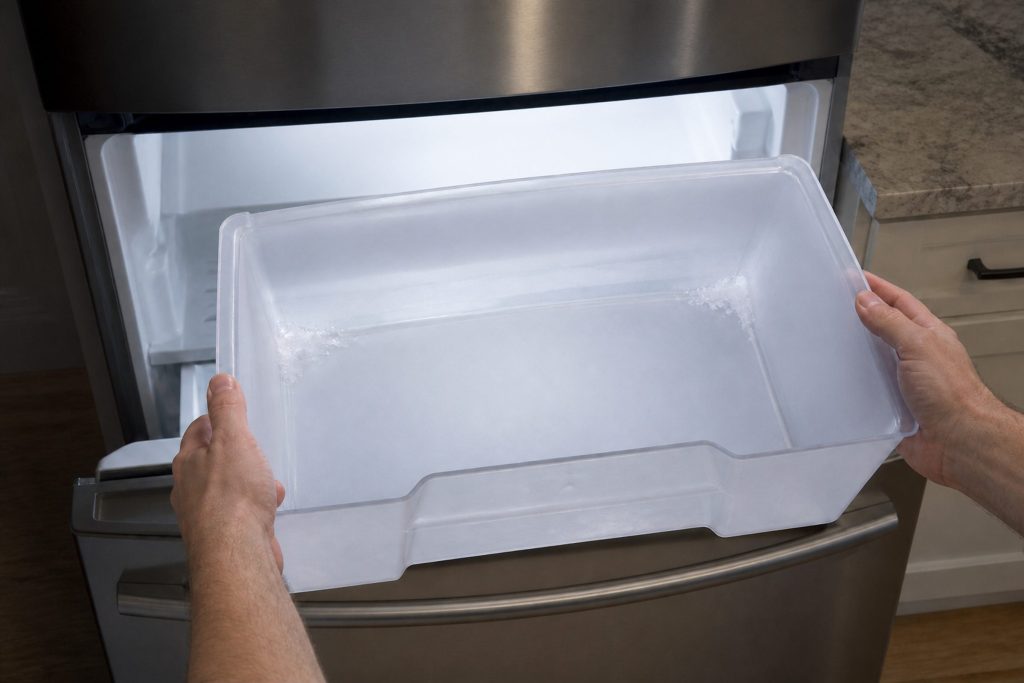
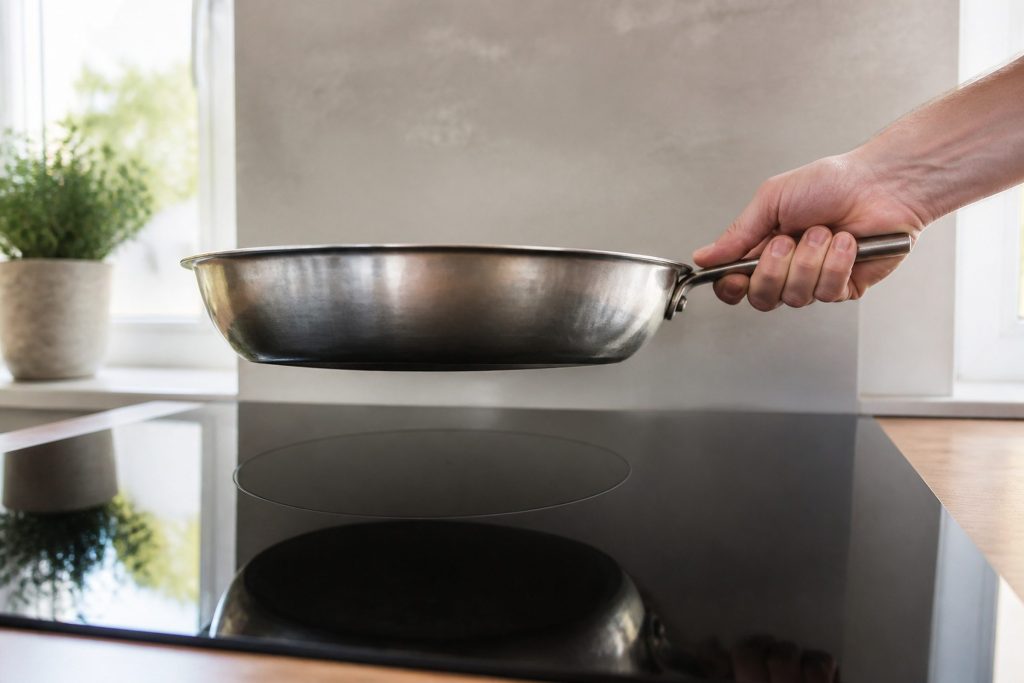
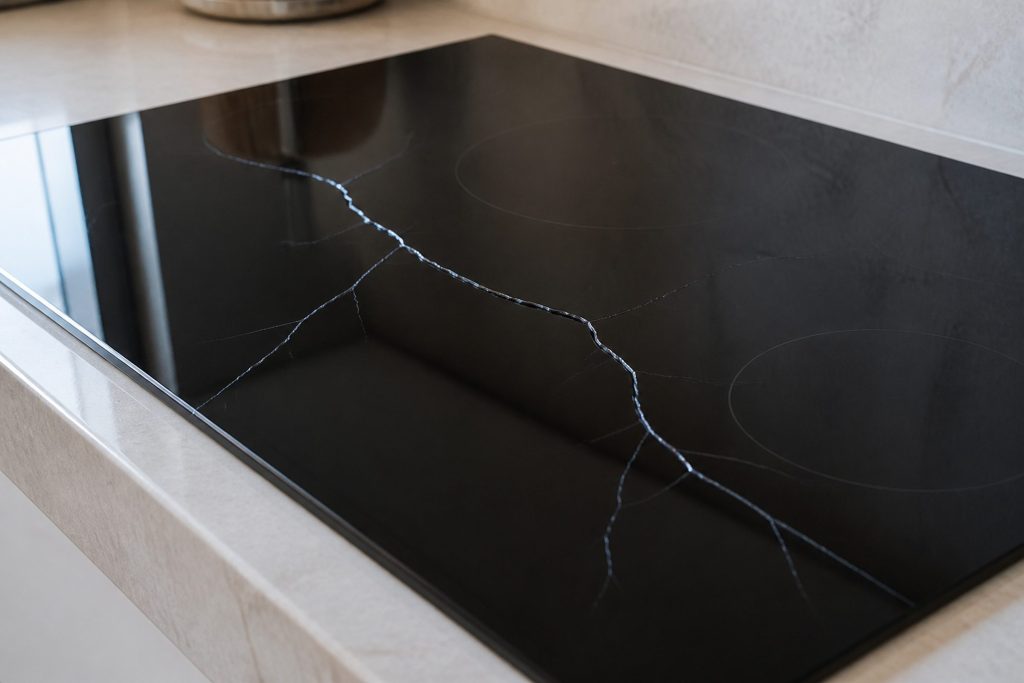
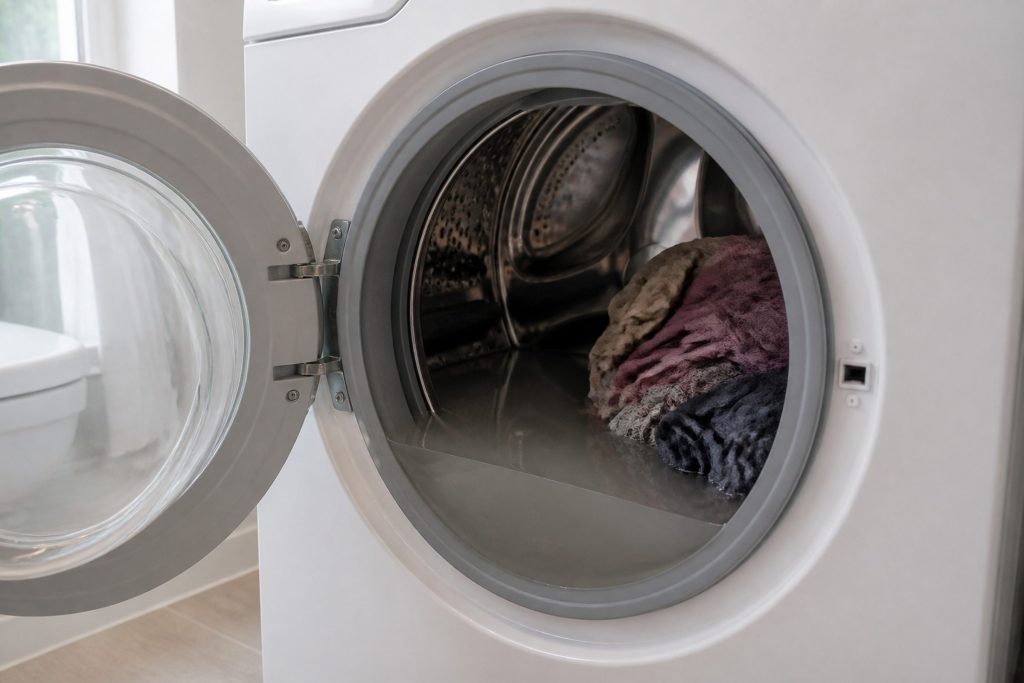
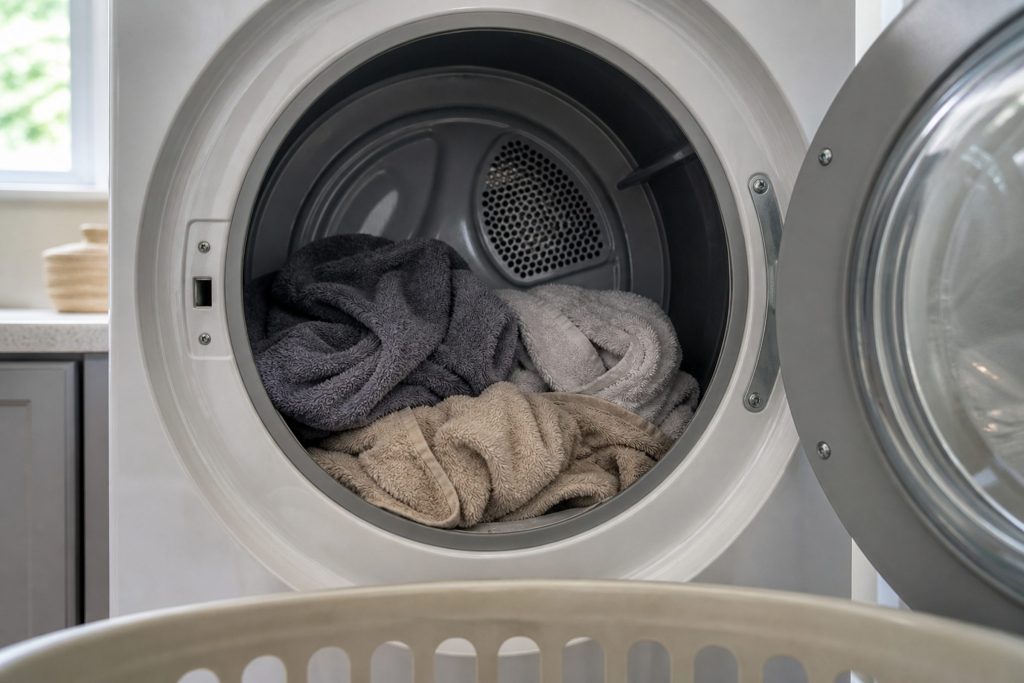
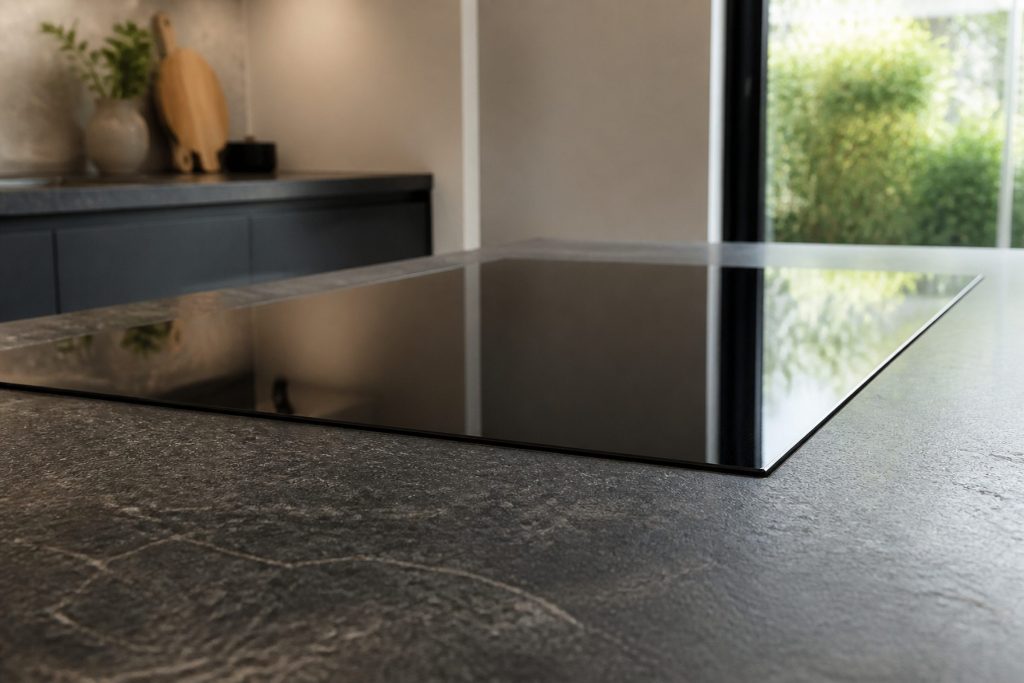
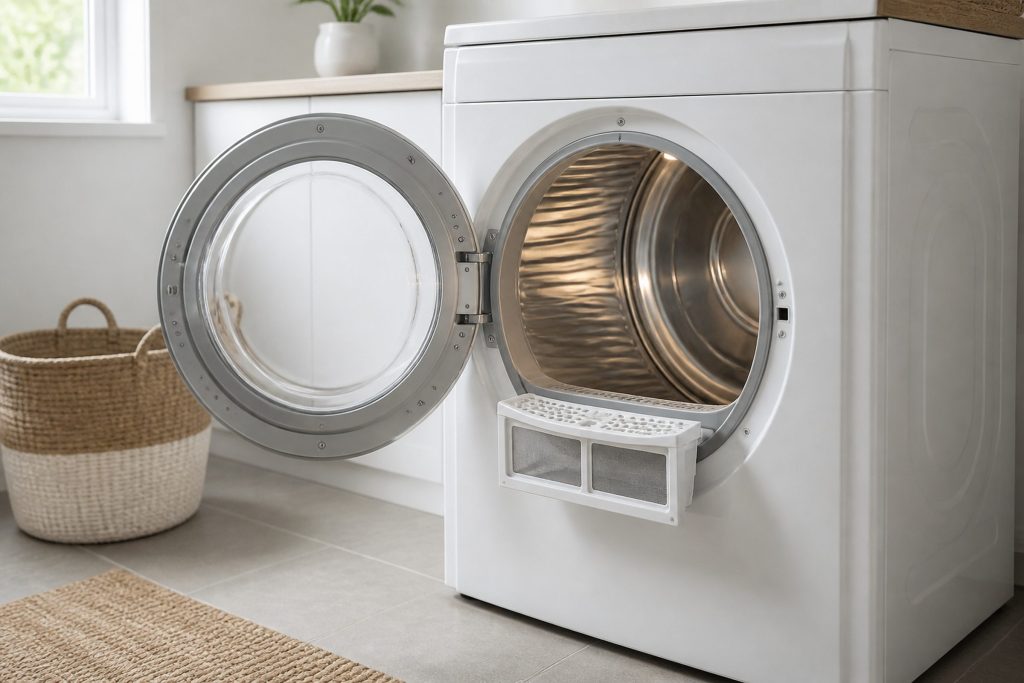
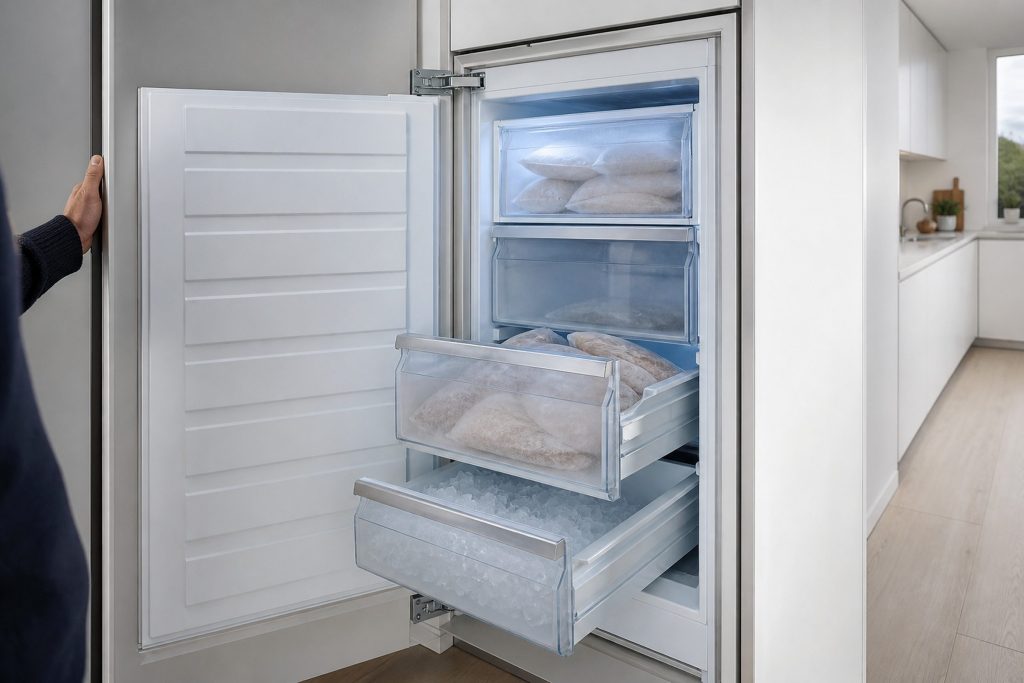
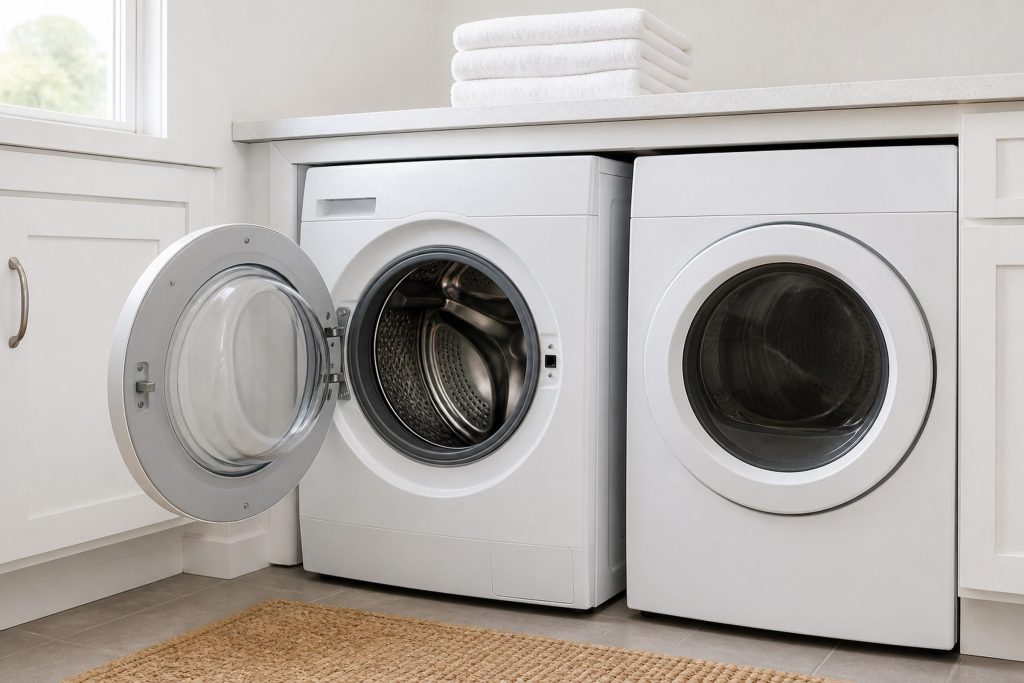
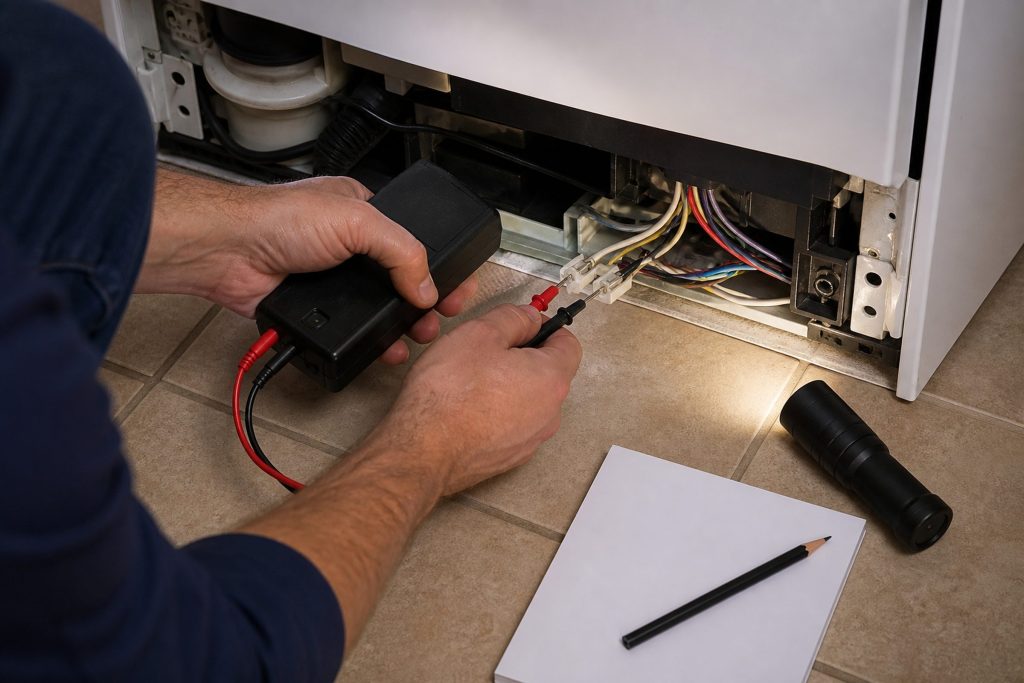
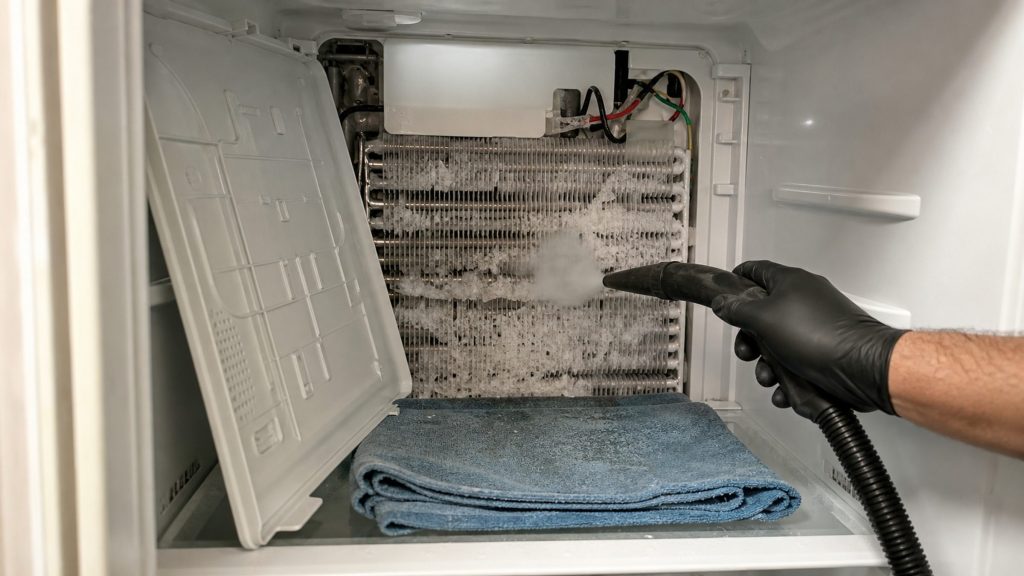
Some of what arrives on these pages is the climate rather than the appliance. A condenser in a house a few blocks from the water collects salt with its dust, and a machine that runs continuously without arriving is usually telling you that before it is telling you anything else. An induction power board in a sealed island has nowhere to send its heat in August and shuts a zone down to protect itself. Humidity puts frost around the drawers of a freezer whose seal has taken a set. A laundry closet with no airflow and a duct that turns twice before it reaches an outside wall makes a healthy dryer slow.
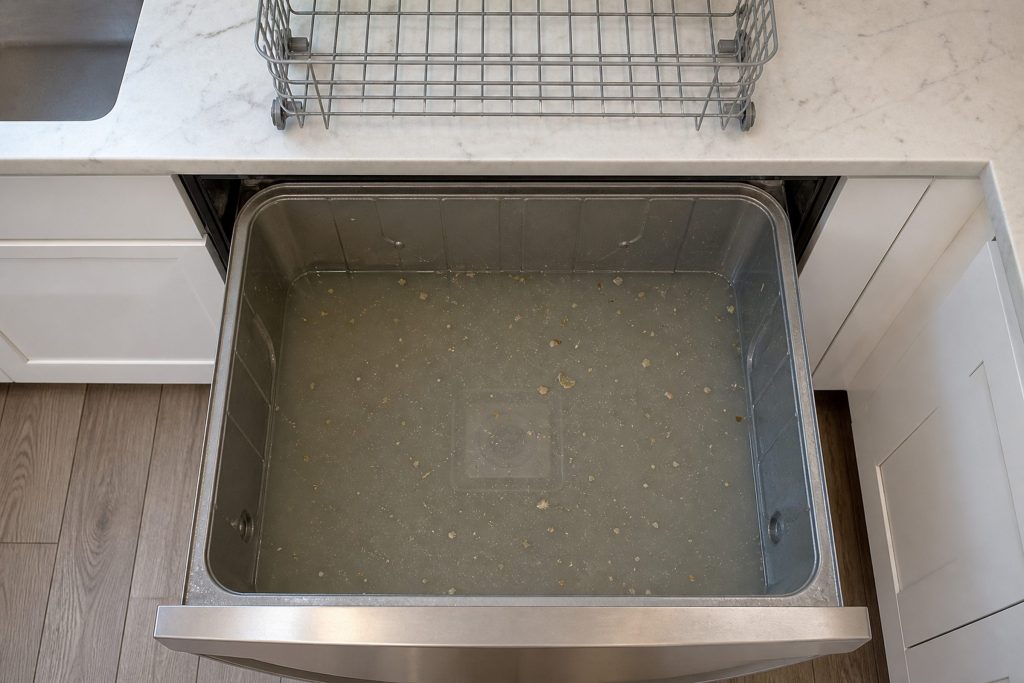
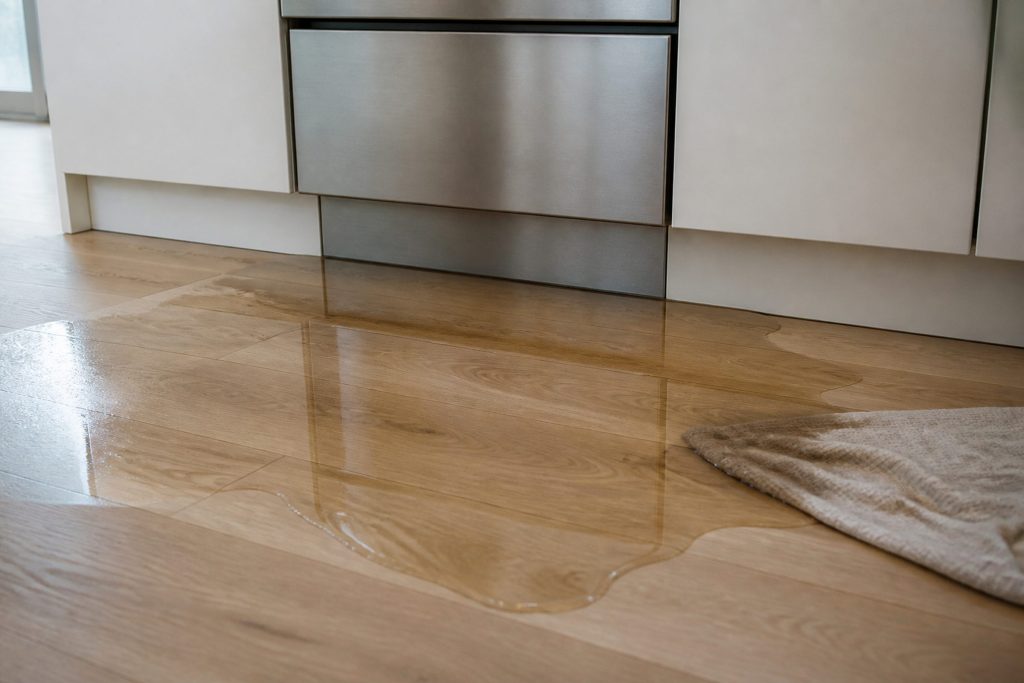
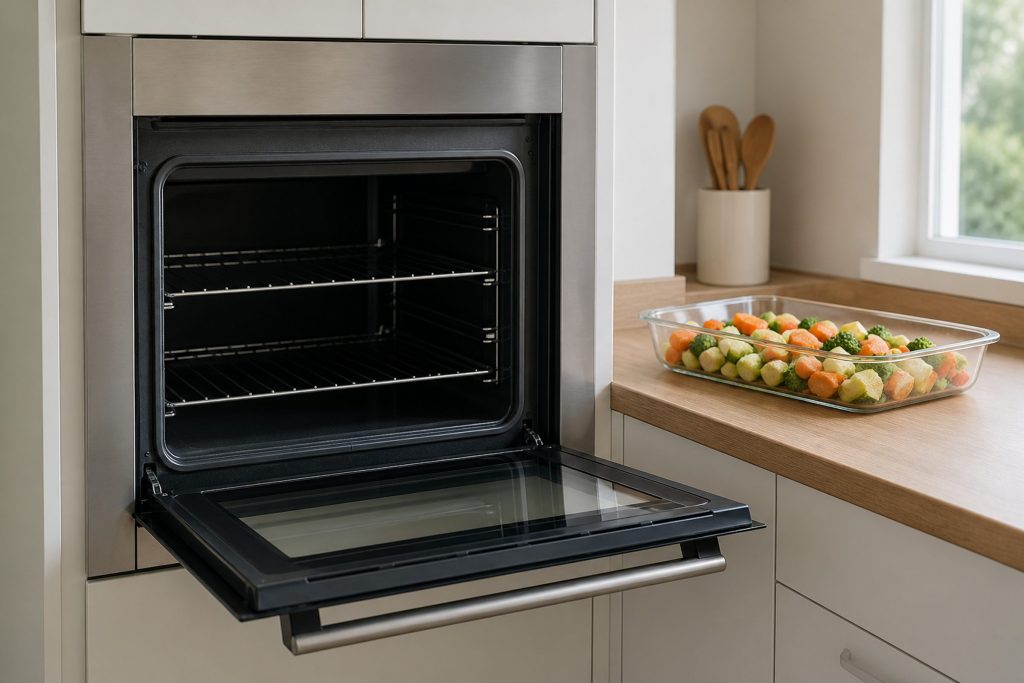
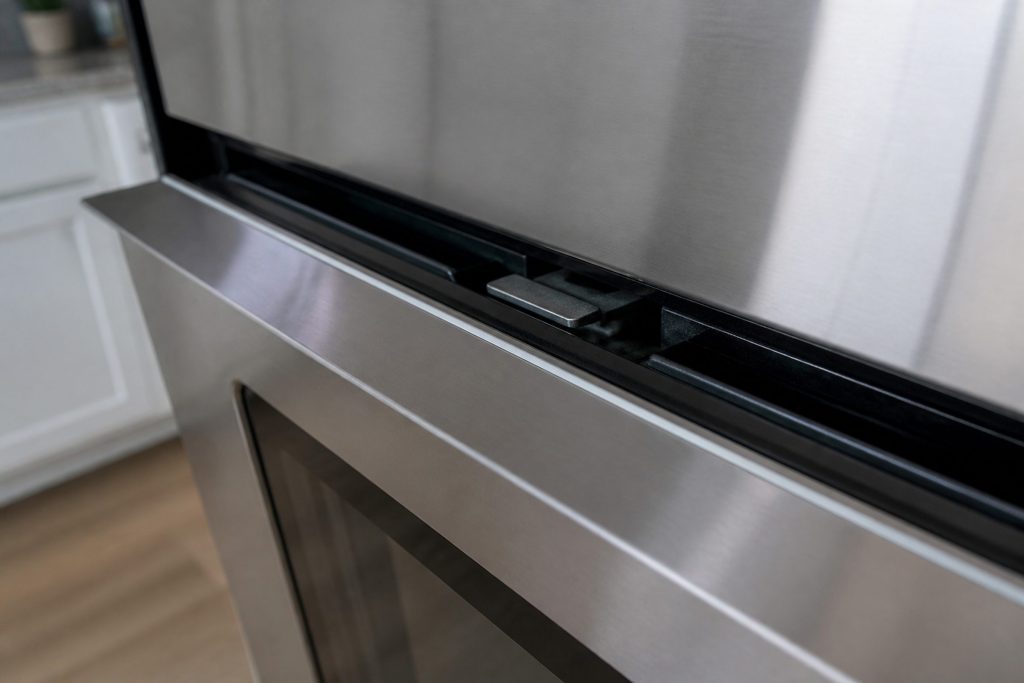
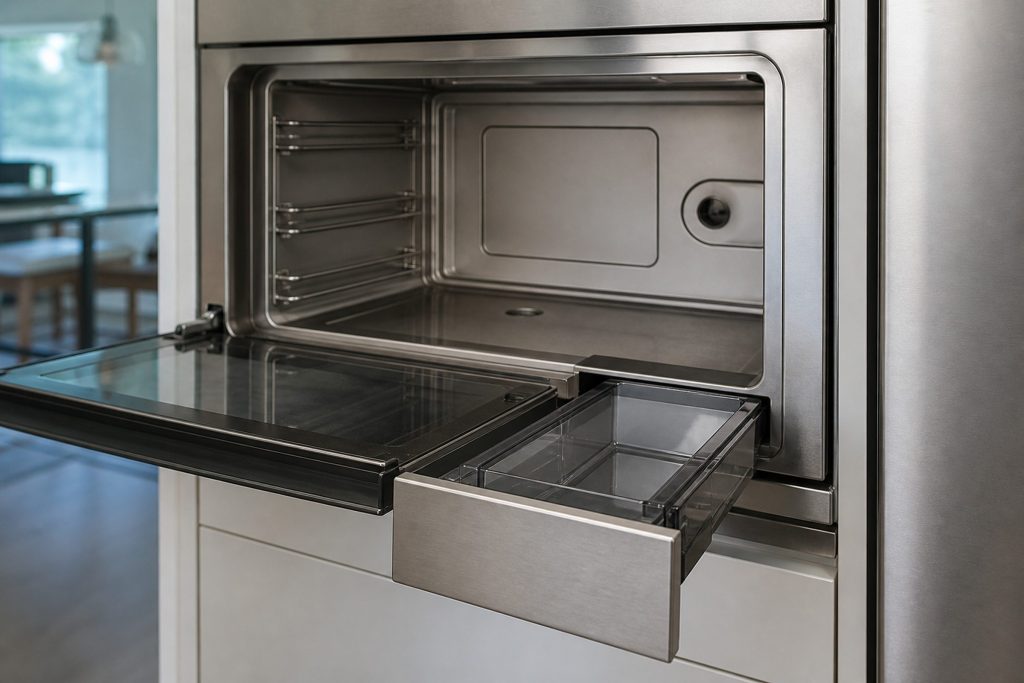
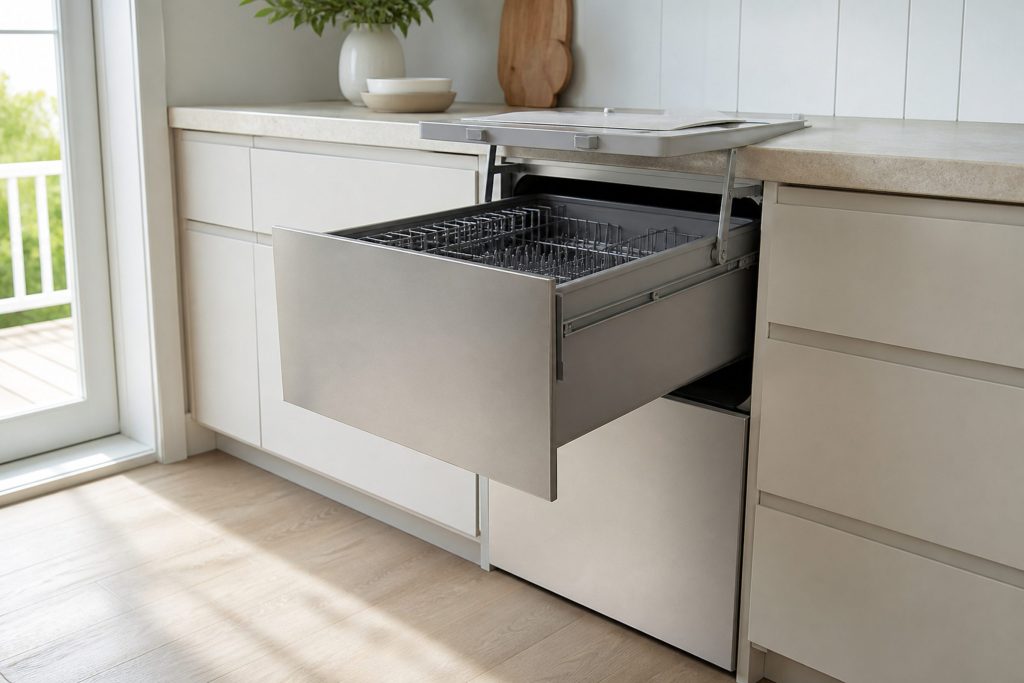
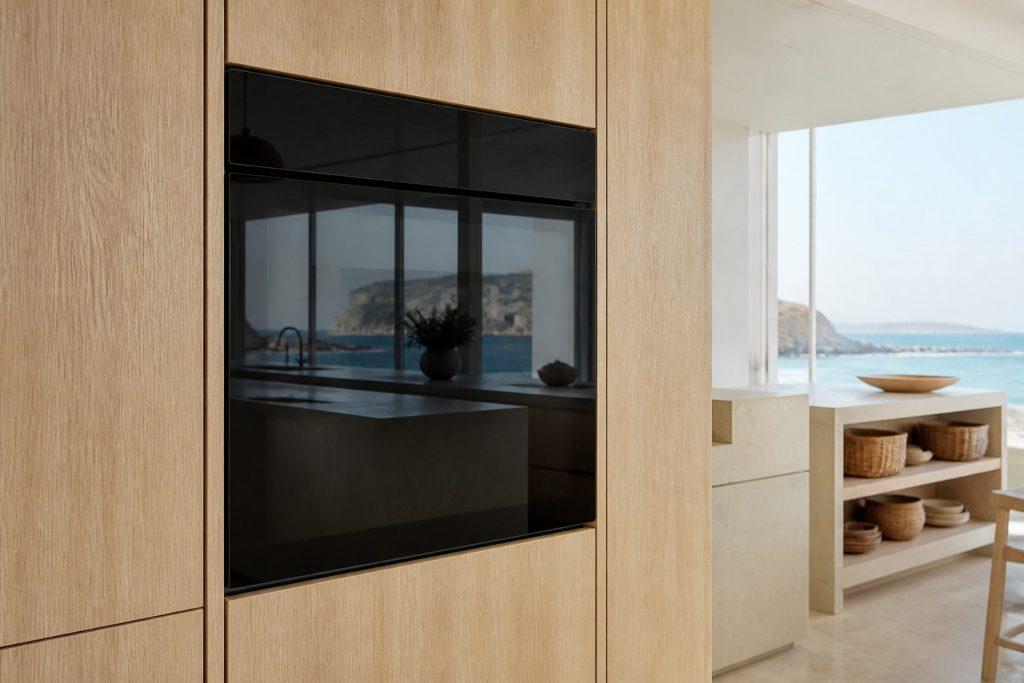
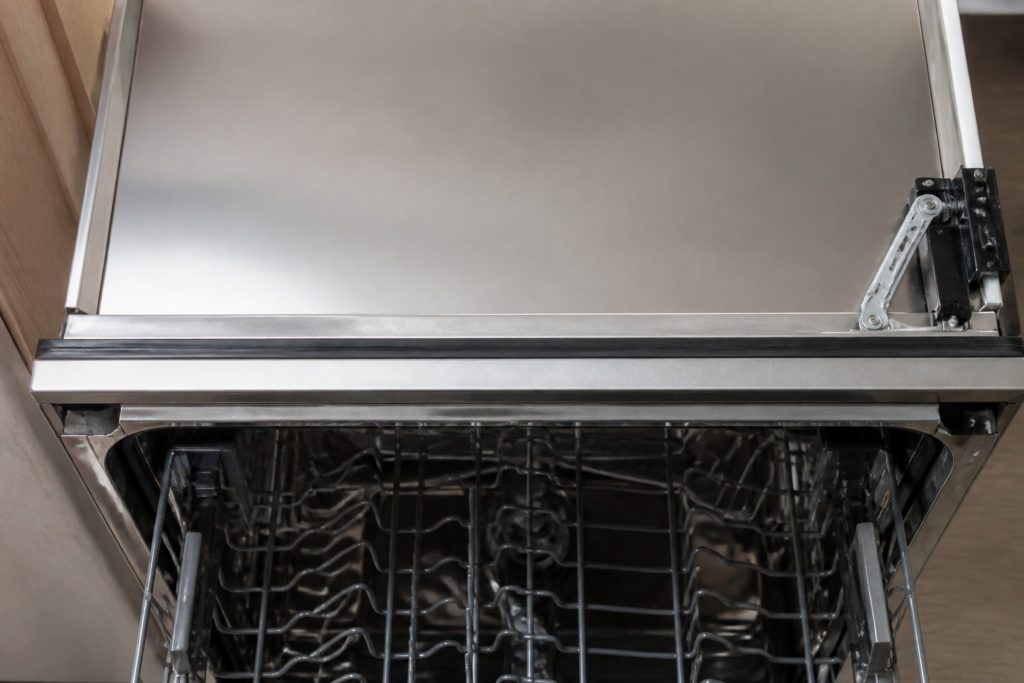
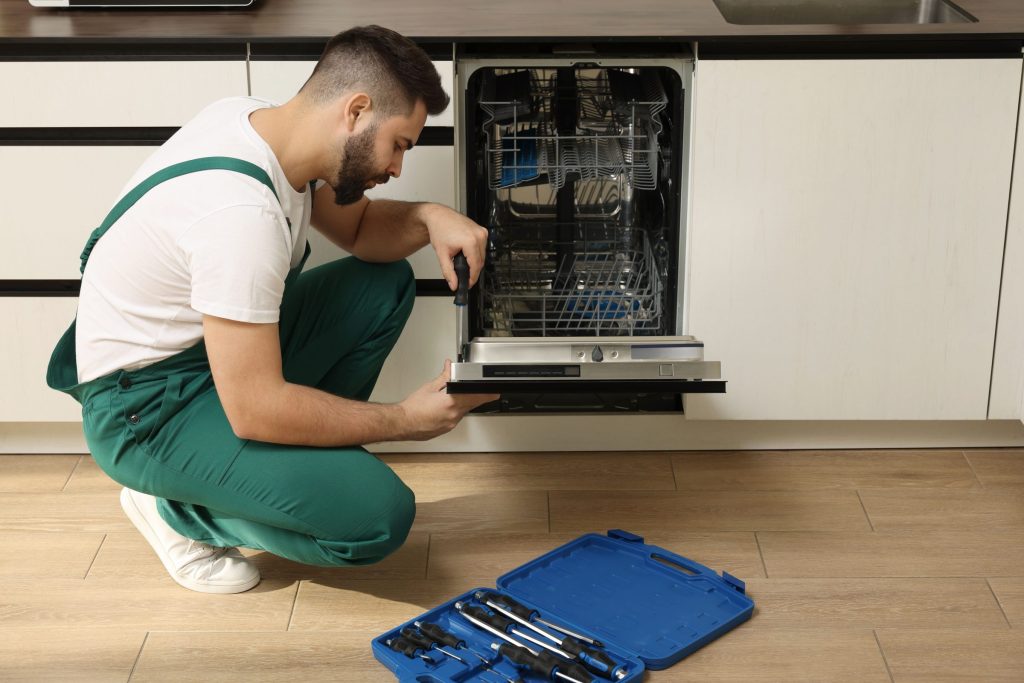
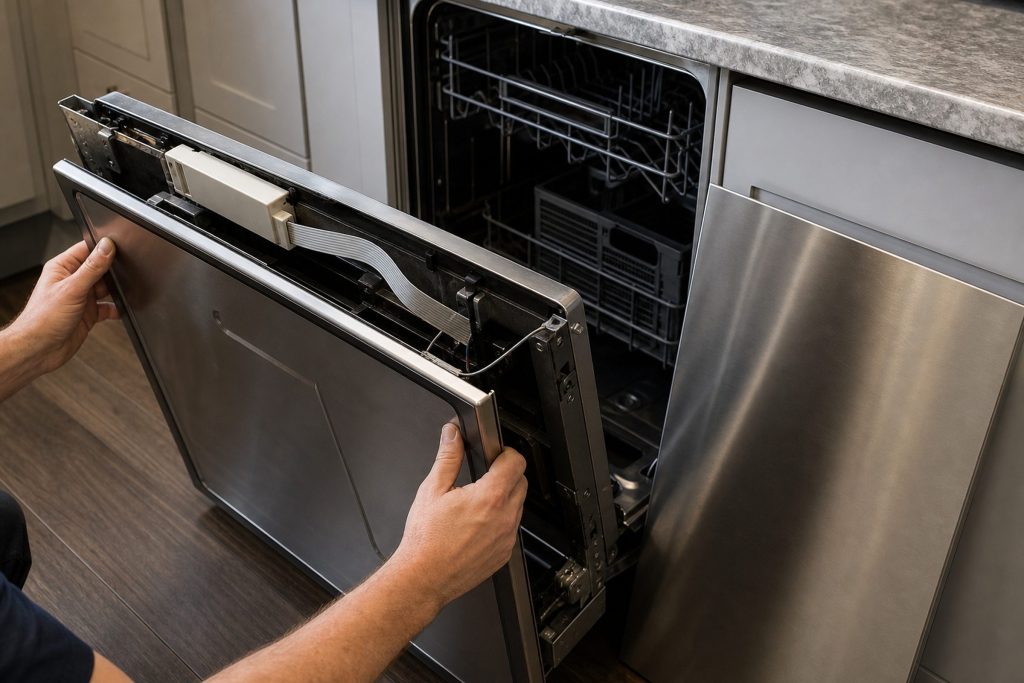
Some of it is the way this equipment is built. Integrated machines carry cabinet doors on adjustable brackets, so a crooked front is often hardware rather than an appliance. A DishDrawer seals from above, so a leak appears on the floor with a dry interior. A steam oven has a boiler, so mineral in the water is a real cause rather than a footnote.
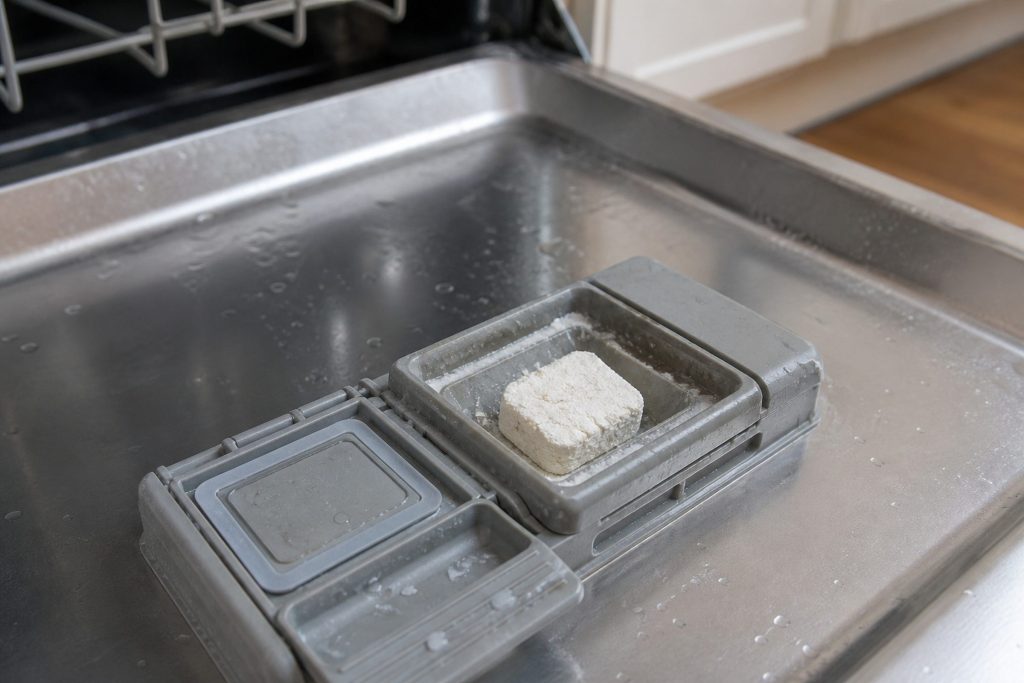
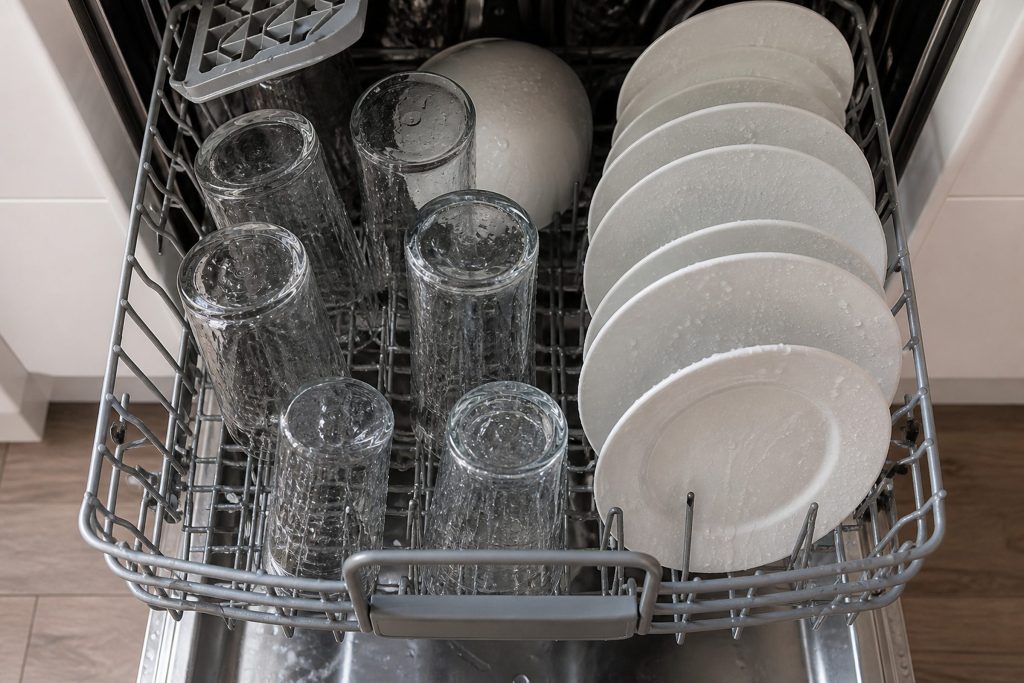
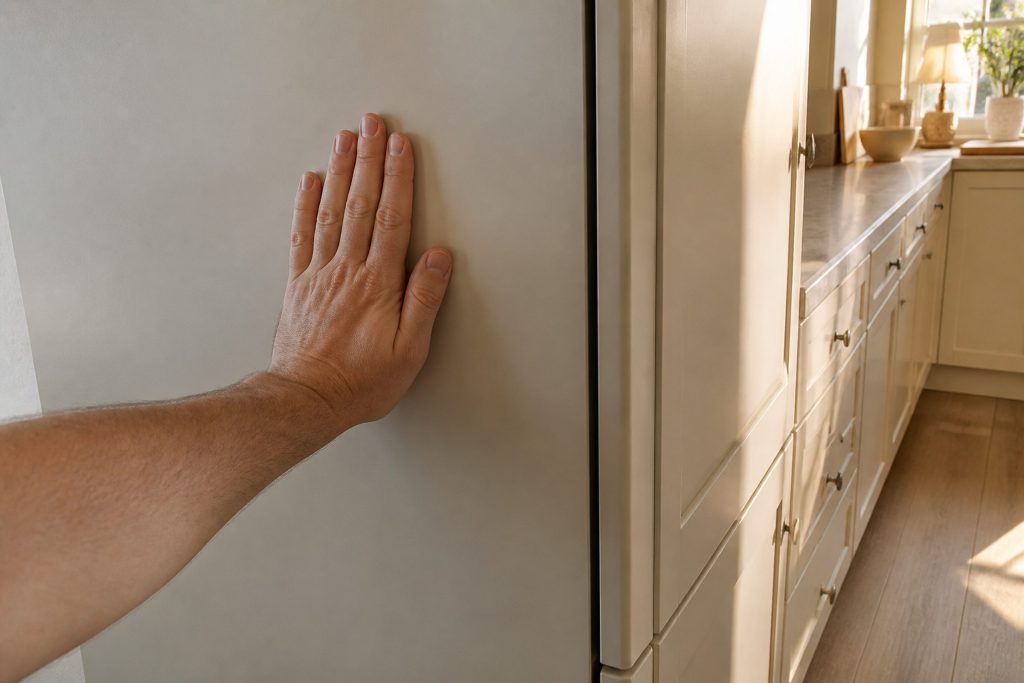
And some of it is not a problem at all, which is worth saying on a page like this. A warm cabinet frame, a cooling fan that runs on, a drying fan after a dishwasher cycle, plastics that stay wet, a heat pump dryer that takes longer than the one it replaced — the maker publishes articles about every one of those because owners report them, and every one of them is the machine working as designed.