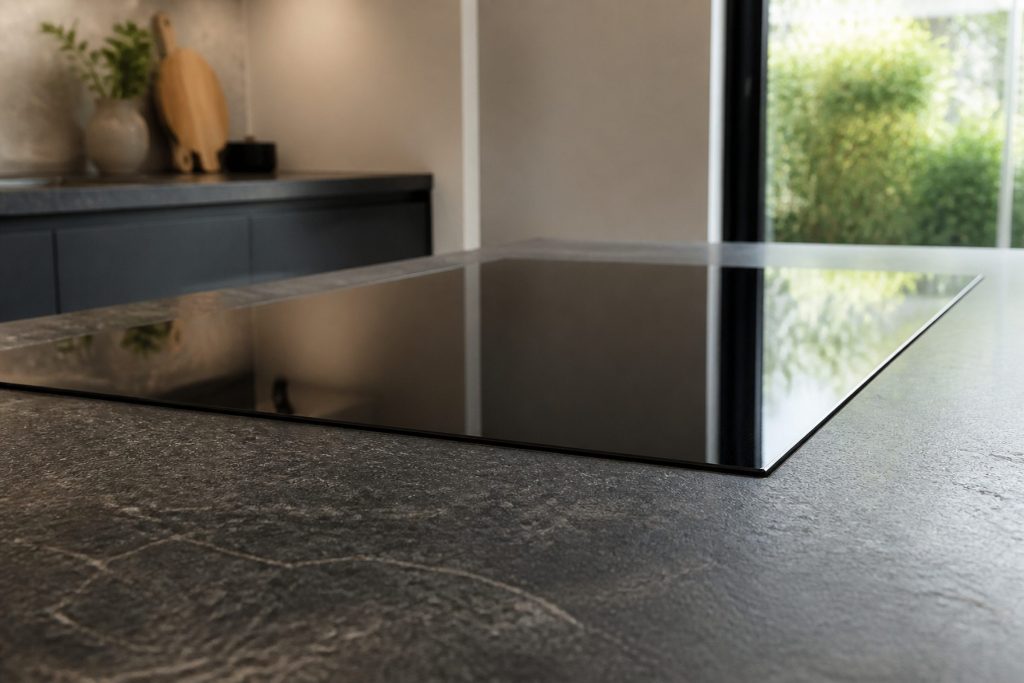
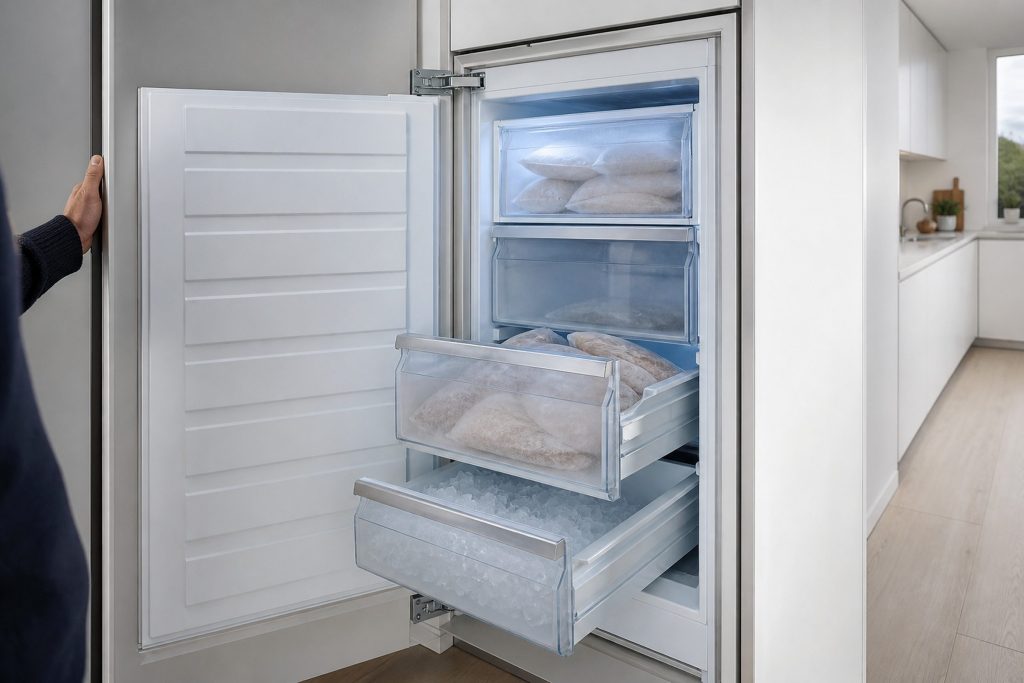
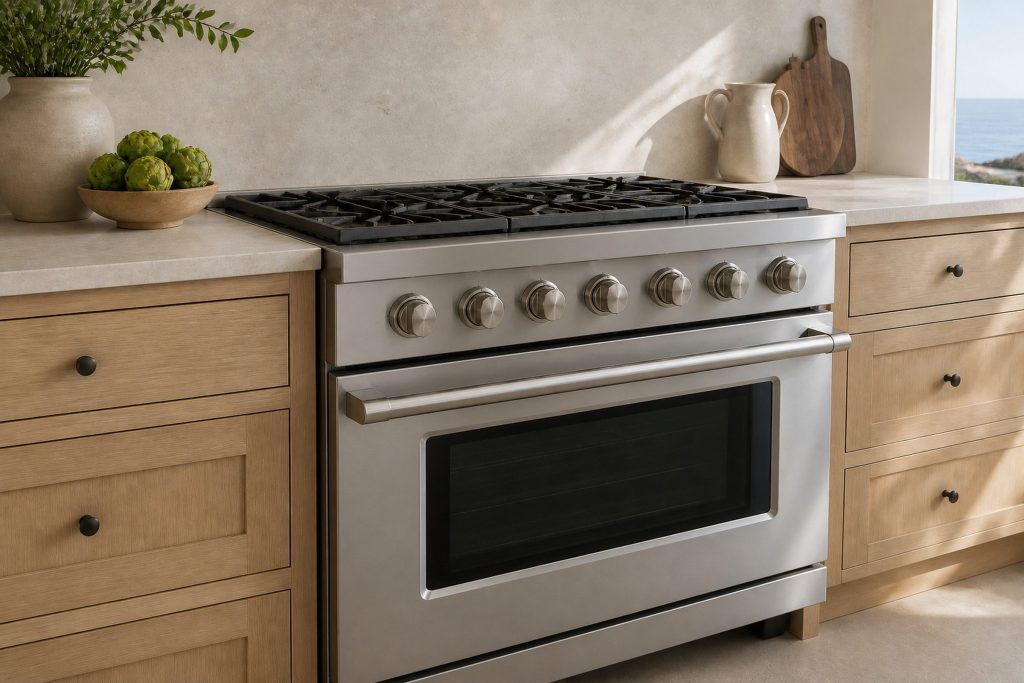
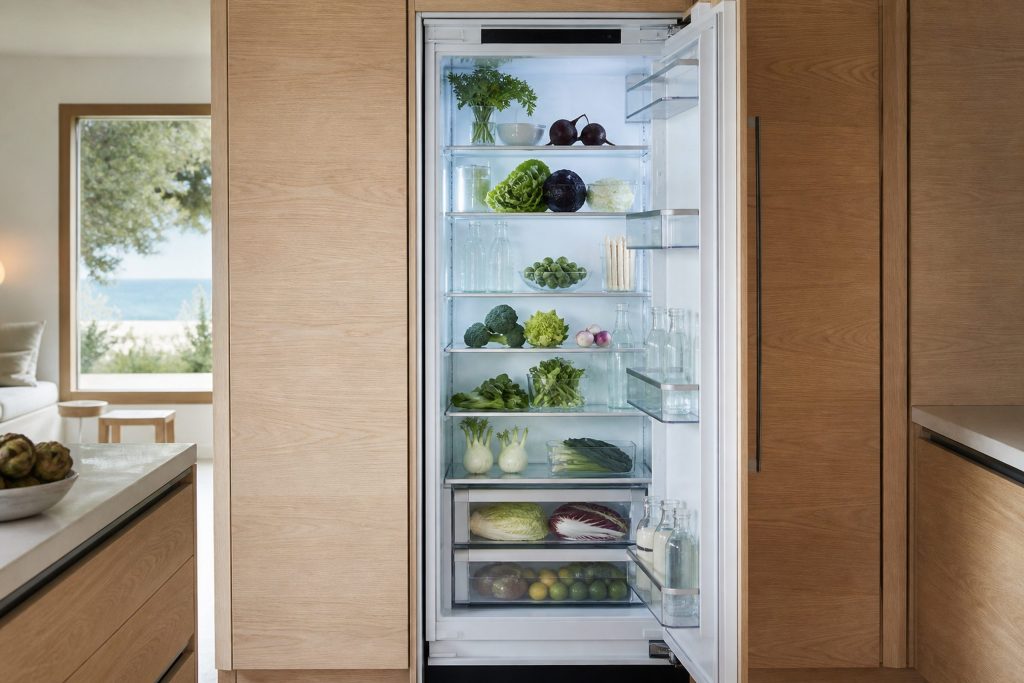
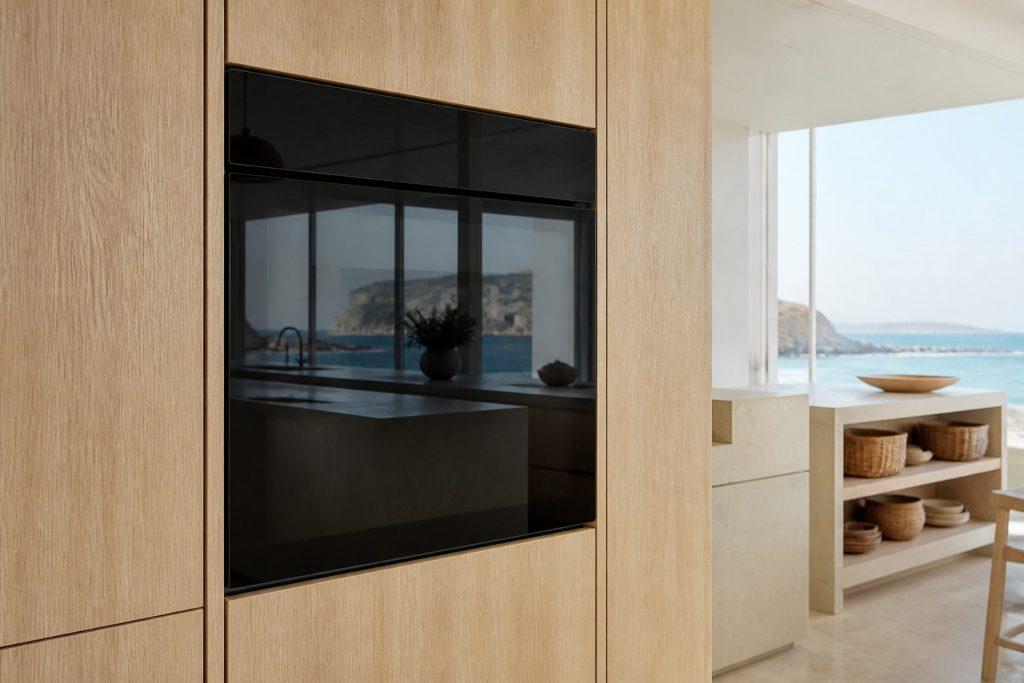
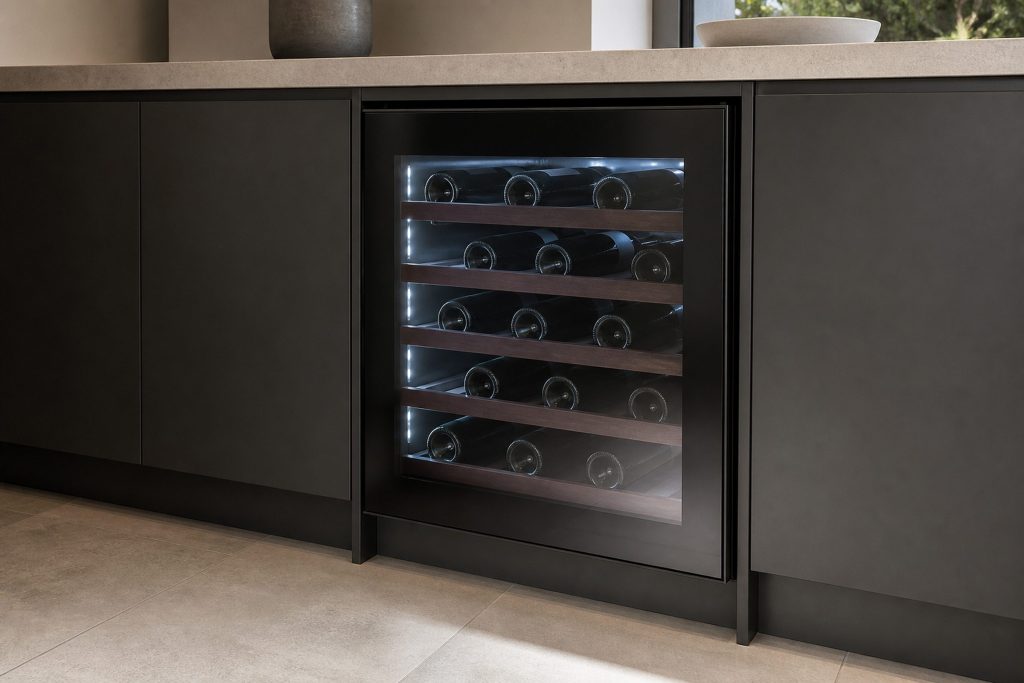
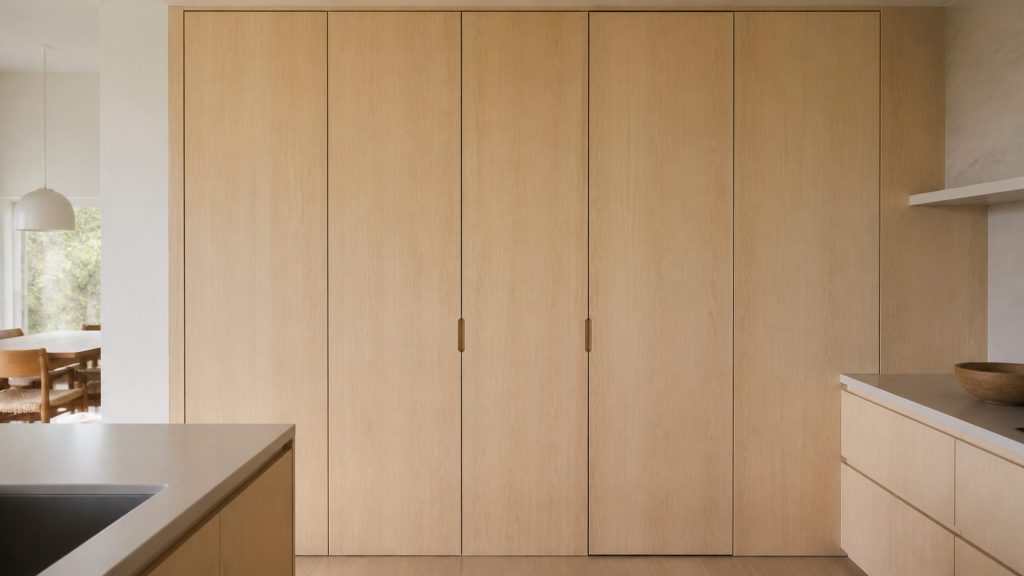
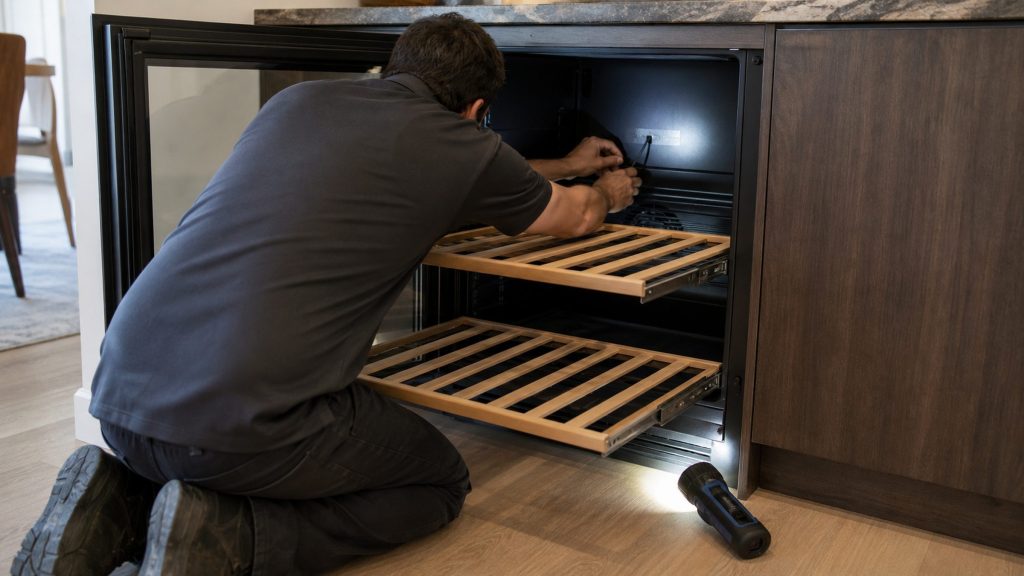
This maker builds a kitchen that is mostly built in and mostly made in New Zealand, and both facts show up in a repair. Built in means the access is planned work: a column comes out of the opening it was cut for, a panel comes off and goes back true, a cooktop lifts out of stone. Made somewhere else means the parts conversation is worth having before anything is ordered rather than after.
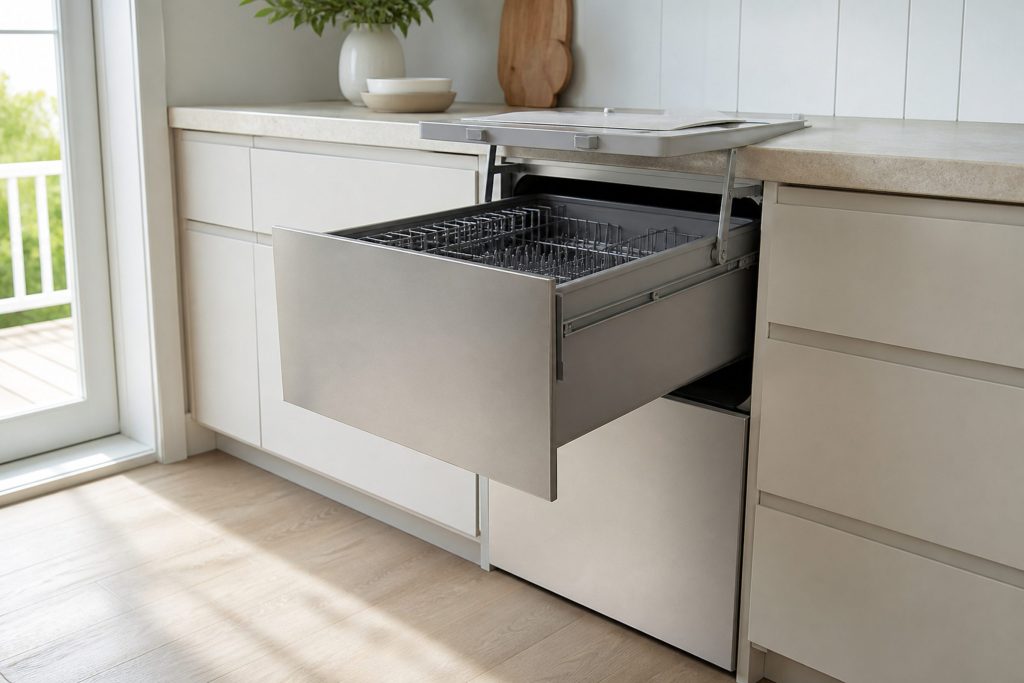
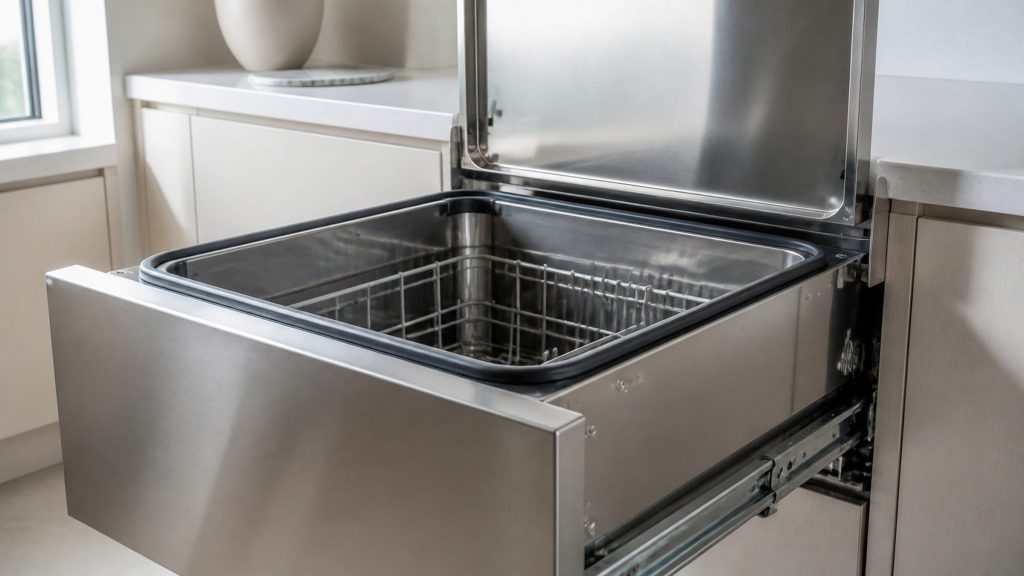
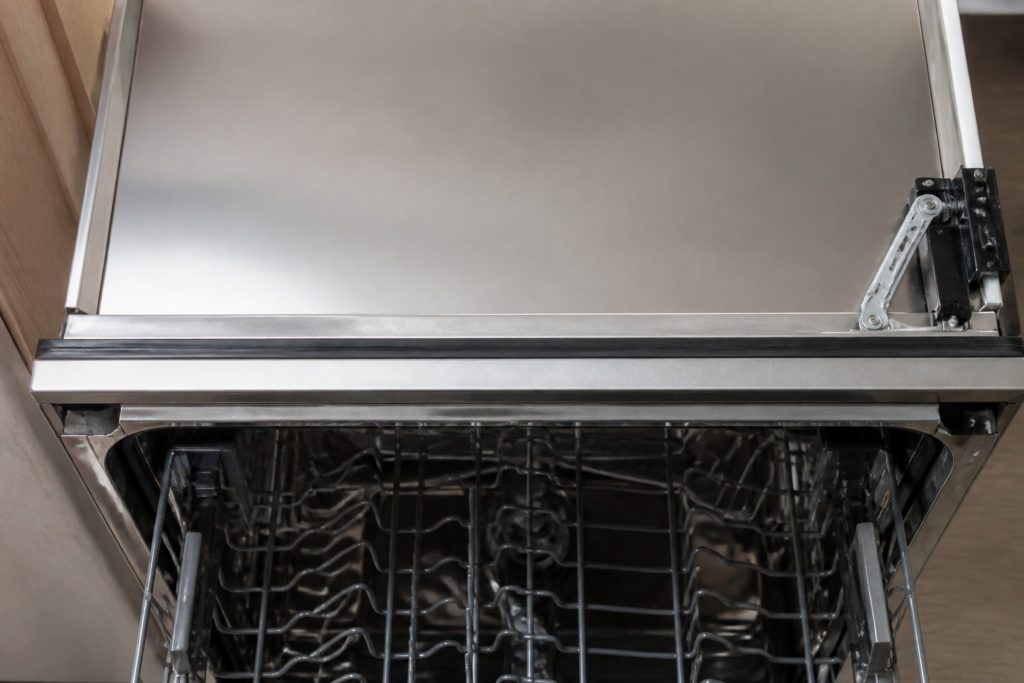
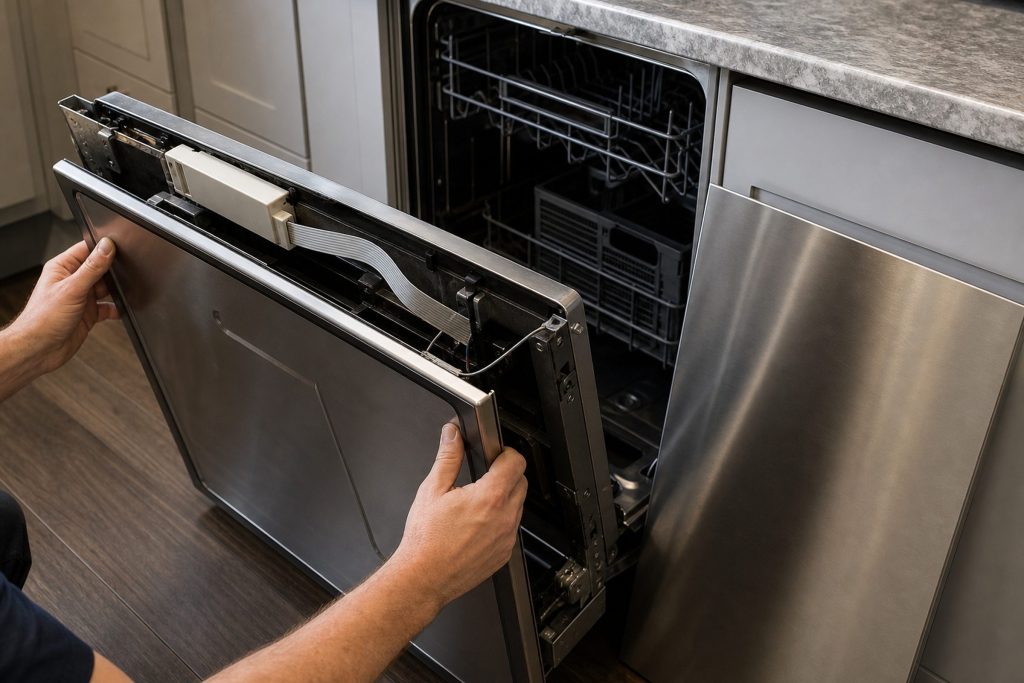
What is genuinely different here from the rest of this fleet is the DishDrawer — a dishwasher that is a drawer, with a lid motor, a horizontal seal and, on a double, two of everything. Nothing else in a Miami kitchen works that way, and a technician who has not opened one before will spend your appointment learning.
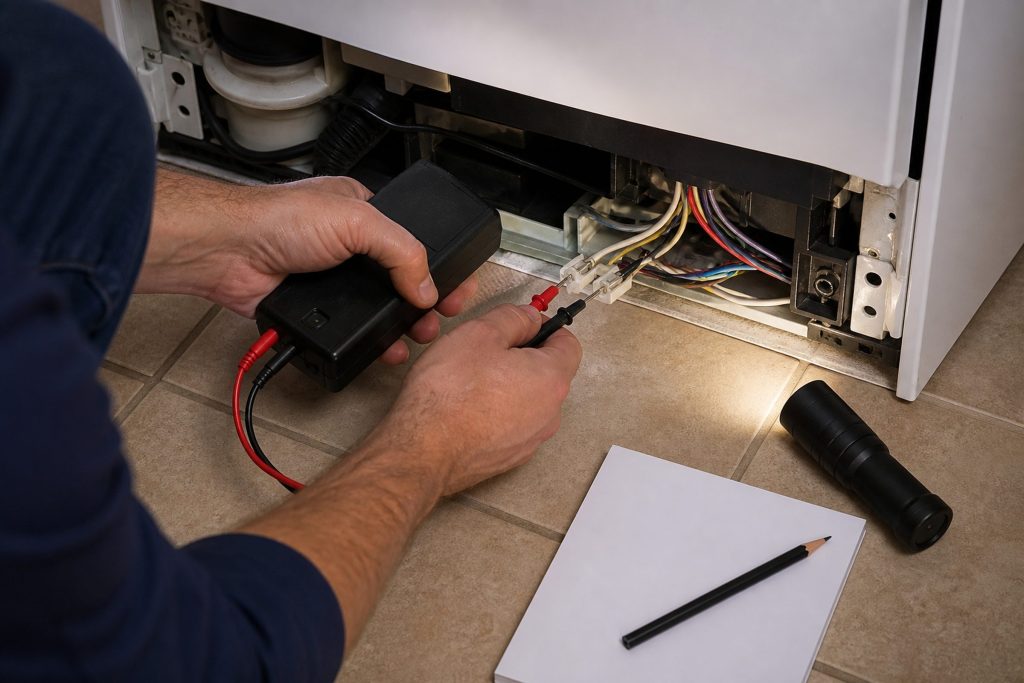
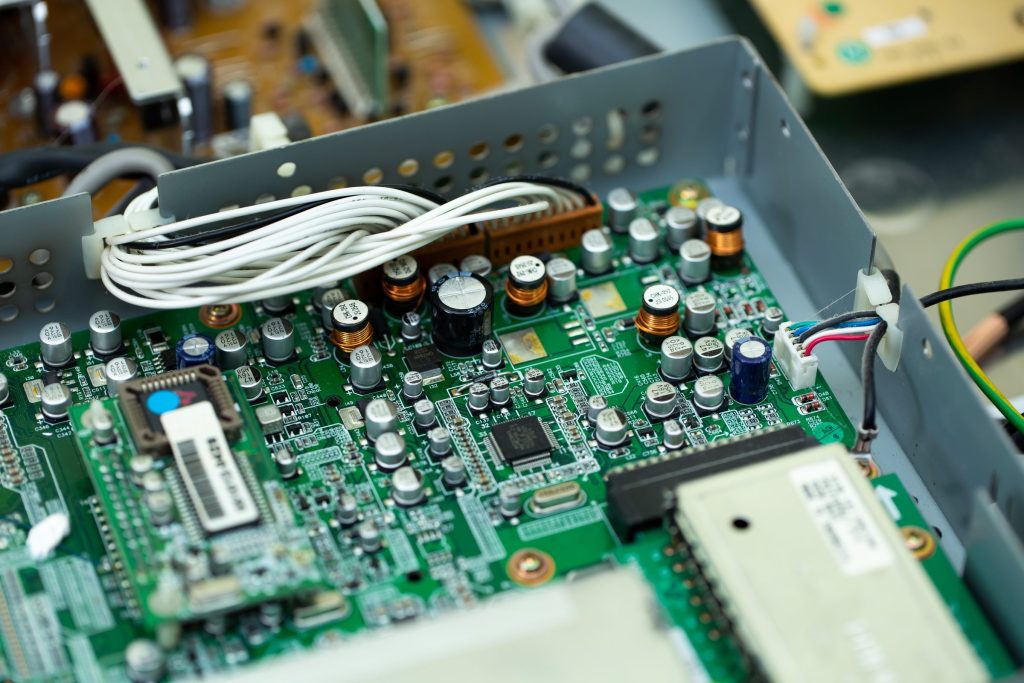
The second difference is how these machines talk. A wall oven prints A1, A2 or A3 and otherwise an F number the maker never explains. A refrigerator counts beeps and flashes an LED. A DishDrawer flashes a pattern of program lights with no number at all. Our code pages are built from the maker’s own guides and support articles, they are keyed to the appliance rather than to the number, and where the maker publishes a family instead of a meaning, we publish the family and say so.
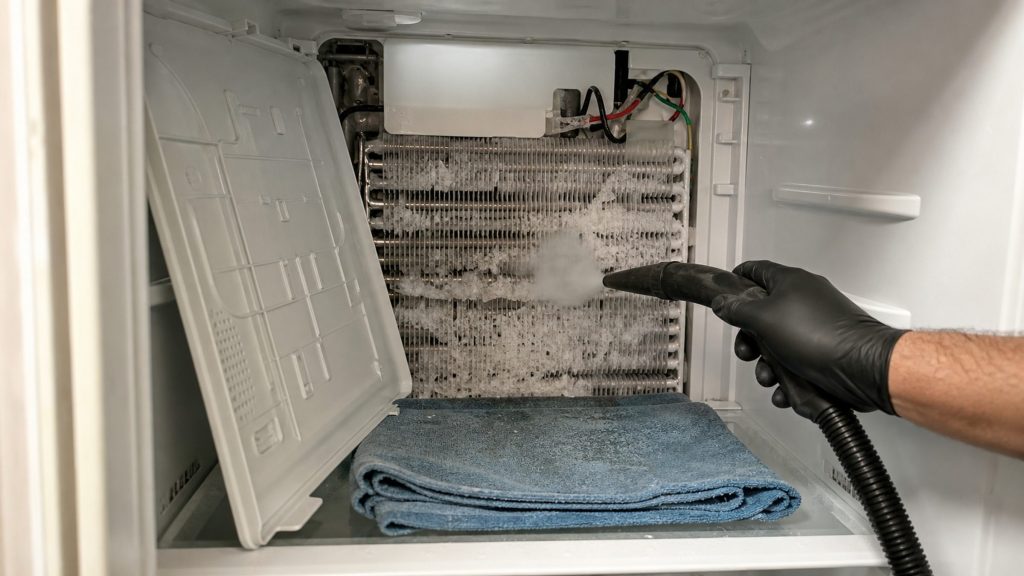
And the third is the climate. Salt air on a condenser, a sealed island with nowhere for an induction board to send its heat, humidity around an integrated column, and a storm season that resets clocks and leaves machines looking dead when they are only waiting. Those are not general facts about appliances; they are what we actually see in Miami-Dade, Broward and Palm Beach.