Appliance
Fisher & Paykel wall ovens
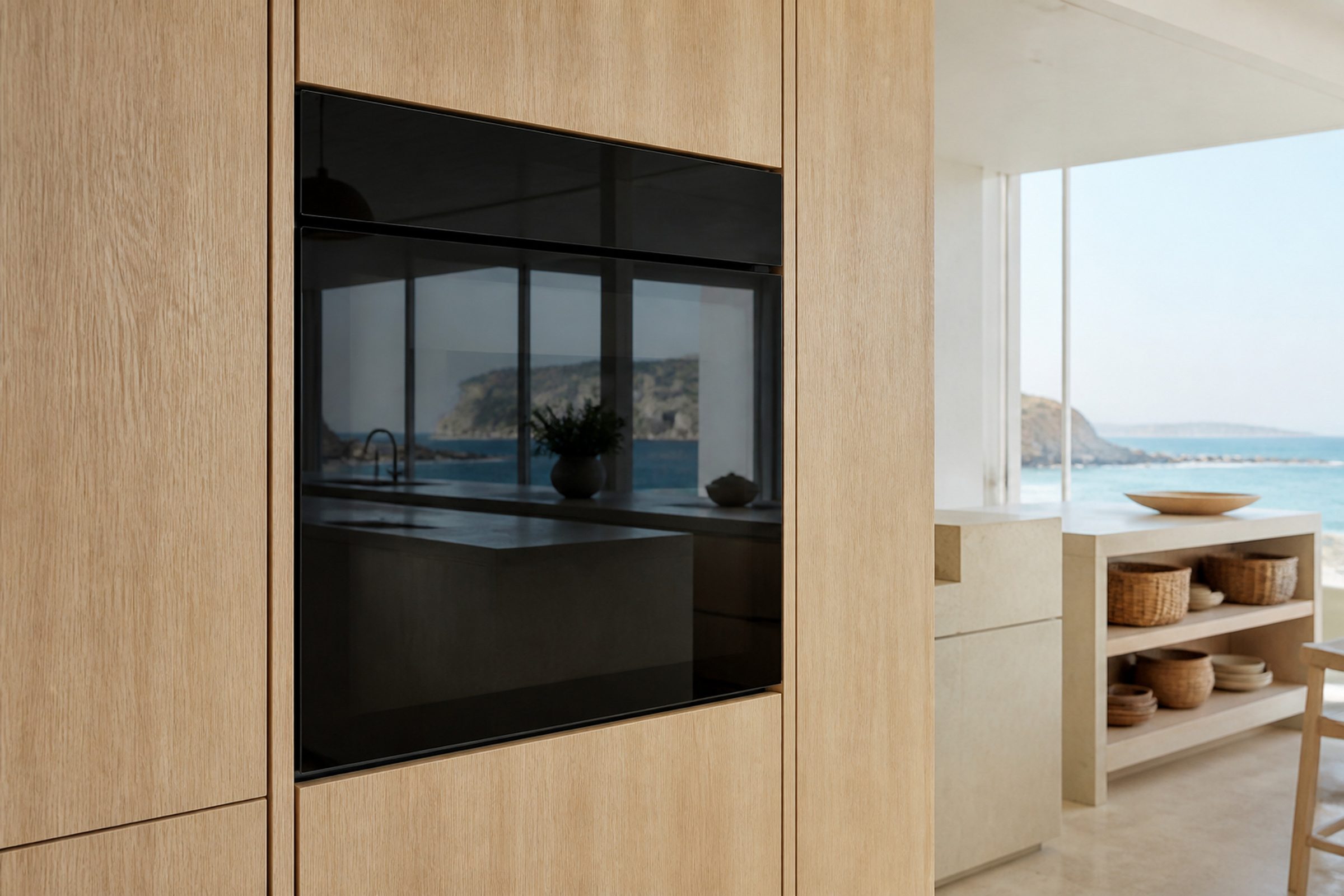
The largest row on this site: a hundred and ten wall ovens, and a third of them cook with steam. Forty-five are self-cleaning ovens, thirty-eight are combi-steam machines, twenty-eight are compact convection-speed ovens with a microwave system inside them, and six are doubles. A steam oven is a plumbed appliance with a boiler in it, and it does not fail the way an oven fails.
- 5 symptoms we are called out to
- From $95 diagnostic, credited to the repair
- 59 cities and neighborhoods covered
- OEM parts available on order
The short version
What this equipment is, for a repair
Configurations
Self-cleaning · Combi-steam · Convection speed · Double · Minimal · Contemporary · Professional · 24" · 30"
Access
Planned before the visit, not discovered on arrival
Parts
OEM, available on order
Diagnostic
From $95, credited to the repair
What goes wrong with it
Symptoms we are called out to on Fisher & Paykel wall ovens
Each one covers the likely causes in the order they are worth checking, and what to do in five minutes before booking anything.
-
Live panel, cold cavity Oven display is on but it does not heat
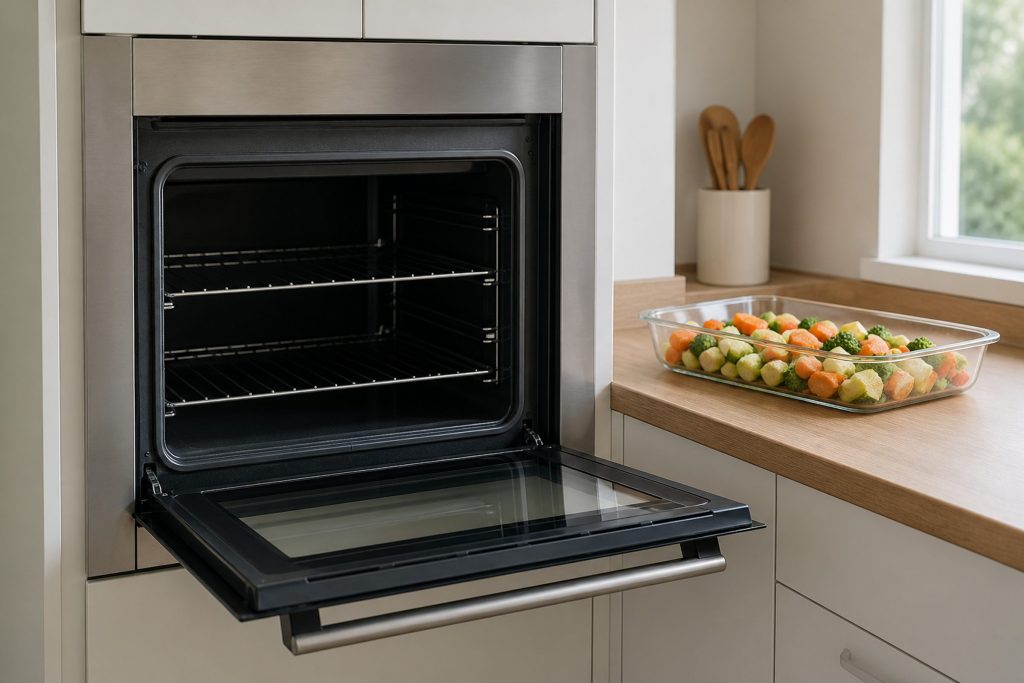
One of the maker's most-linked oven articles, and a real spread of causes: an element, the temperature sensor, the relay that switches the element, or a thermal cut-out that did its job after a self-clean and has not reset.
- The controls work and nothing gets hot
- It worked until the last clean cycle
- One cavity of a double works and the other does not
-
A3, and patience Oven door locked after a self-clean cycle
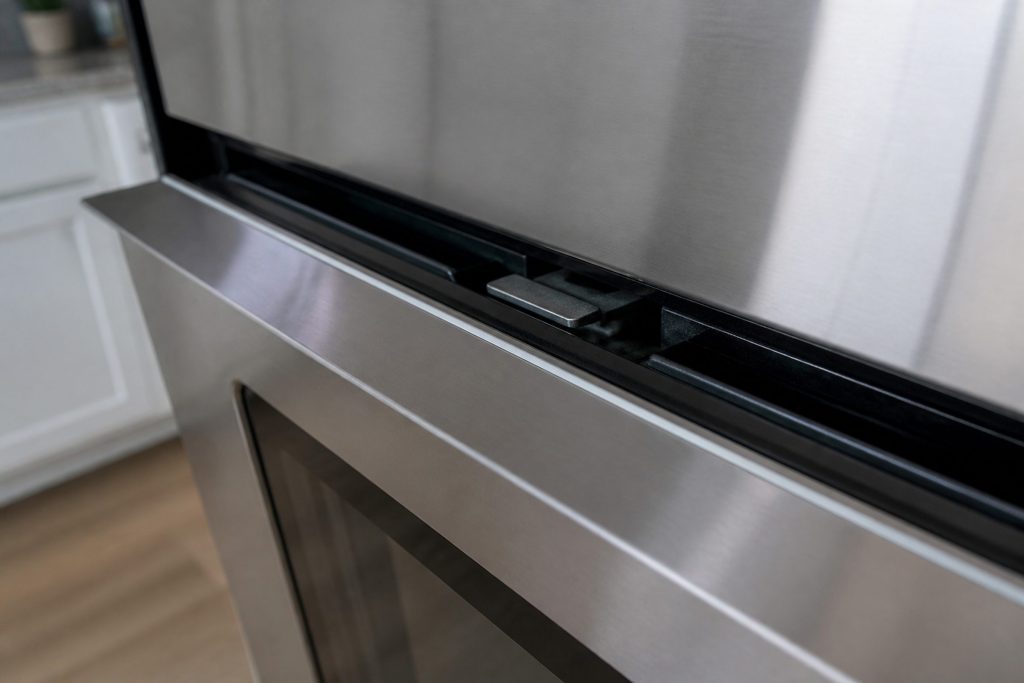
A door that will not release when the cycle has finished. The lock is driven by temperature rather than by a timer, so the first thing to try is time — and the one thing not to try is force.
- The cycle has ended and the door stays shut
- A3 showing on the display
- The oven feels cool on the outside
-
Usually the design Oven fan keeps running after it is turned off
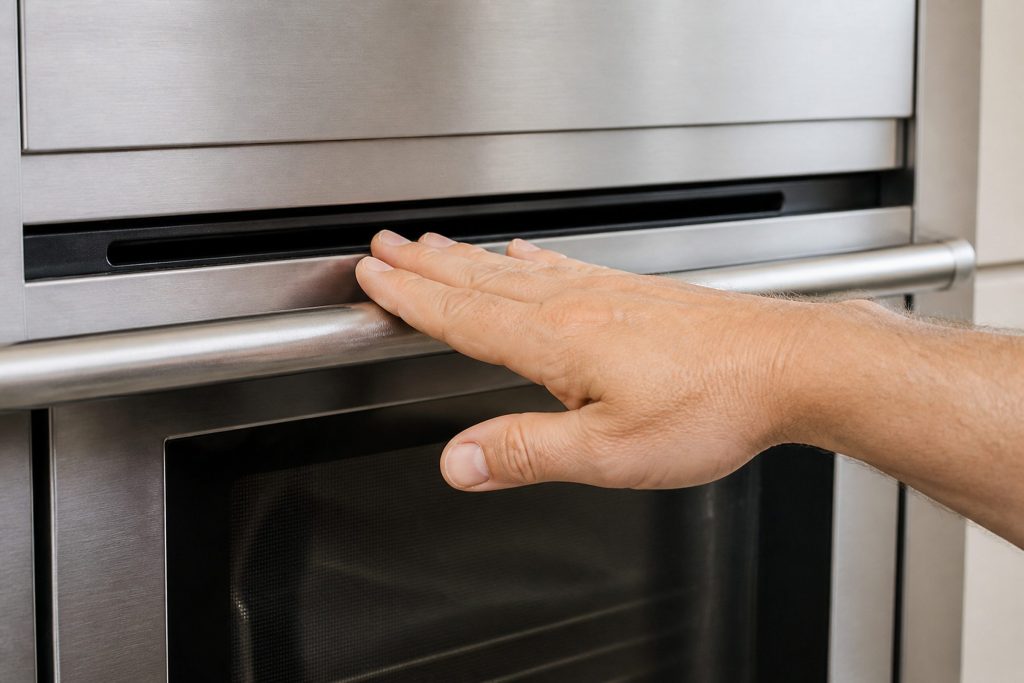
A fan that carries on after the oven is off, sometimes for a long time. The maker publishes an article on it because it worries people, and on a built-in oven it is exactly what should happen — with two exceptions worth knowing.
- The fan runs on after cooking
- It runs for a very long time after a clean cycle
- It has become louder than it was
-
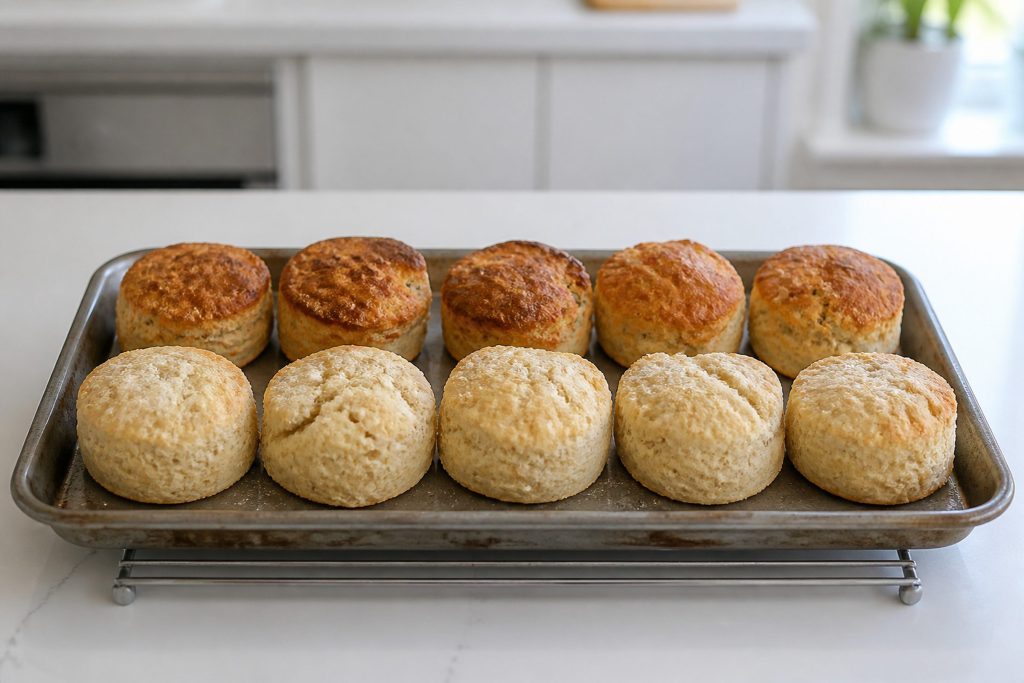
Browning on one side Oven baking unevenly
Cakes rising crooked, one tray browning while another stays pale, or an oven that is simply not what it was. Sensor and convection fan long before elements — and some of this is not a repair at all.
- One side or one shelf browns faster
- Everything takes longer than the recipe says
- It crept up rather than failing suddenly
-
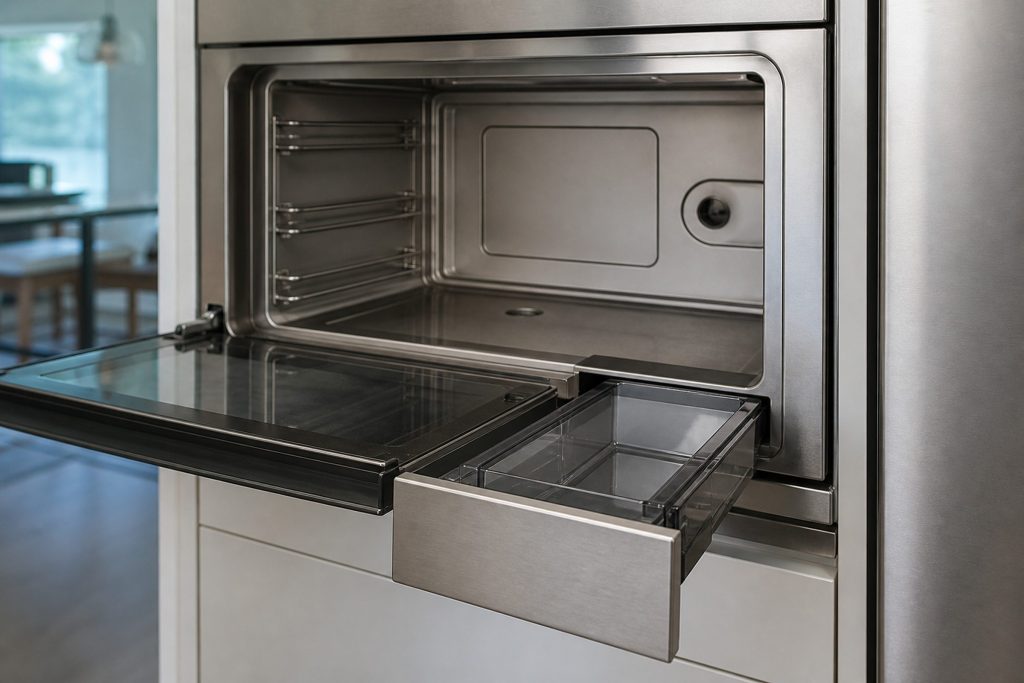
Or leaves water behind Steam oven will not steam
A steam oven is a plumbed appliance with a boiler in it, and it has failures no other oven has. Two halves to this symptom, and which half you are in decides everything: it will not fill, or it will not empty.
- No steam at all on a steam program
- Water standing in the cavity afterwards
- It has never been descaled
What we do on it
Repairs we carry out on Fisher & Paykel wall ovens
Starting figures for this equipment in South Florida. The exact cost is confirmed after an on-site diagnostic — and this is not the whole list of what can go wrong, so call if your problem is not here.
-
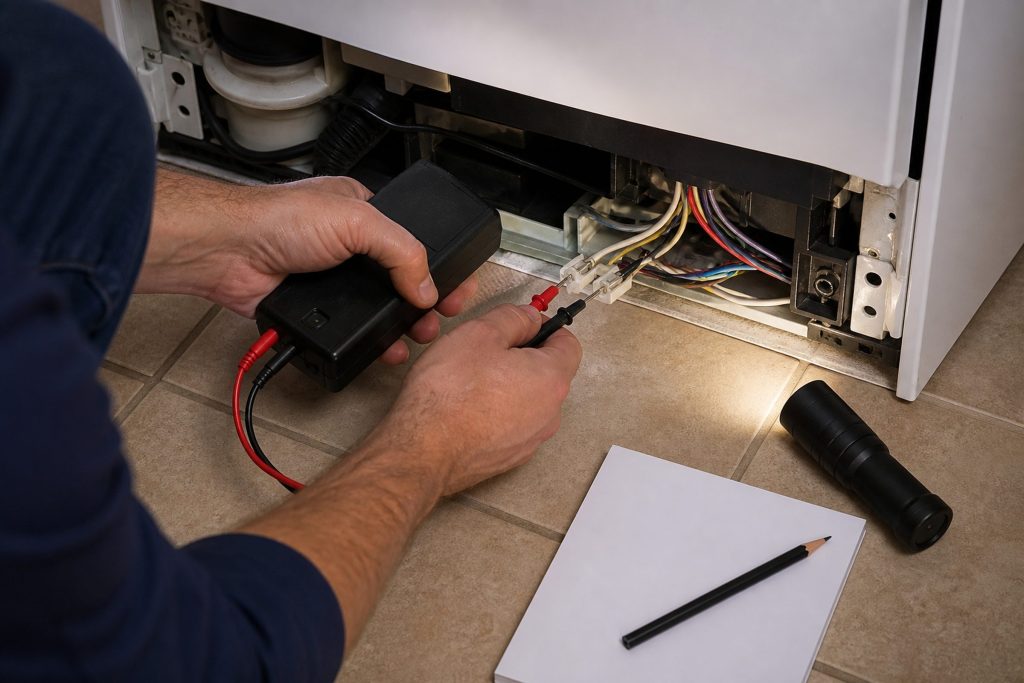
from $95 Diagnostic visit
We read what the appliance is reporting, then measure before saying anything about the repair. On this equipment that also means working out how the machine leaves its opening before anybody touches it. The fee is credited toward the work when you go ahead.
- The code or the light pattern read on site, before anything is cleared
- Measured rather than guessed
- Credited toward the repair
-
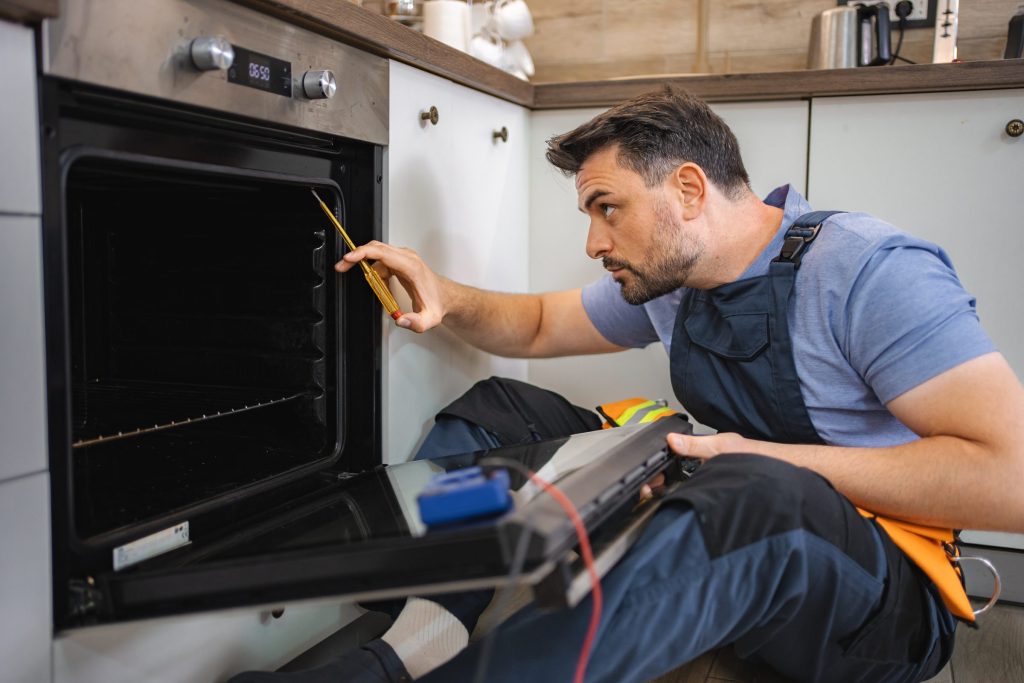
from $185 Oven heating & sensor repair
A display that is on while nothing heats, an oven that runs hot or cold while looking perfectly healthy, or baking that has gone uneven. Element, temperature sensor, relay and — on a machine that has recently run a clean cycle — a thermal cut-out that did its job and has not reset.
- Element and sensor measured, not swapped on suspicion
- The thermal cut-out checked on any oven that has self-cleaned
- Convection fan looked at whenever "uneven" is the word
-
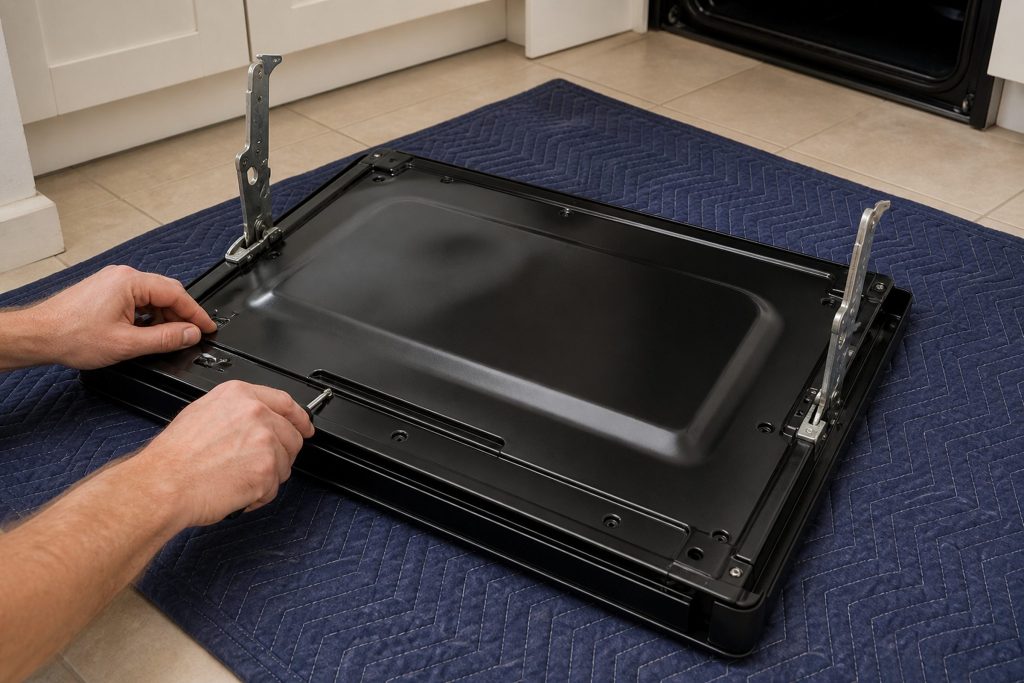
from $165 Oven door & self-clean lock repair
A door locked after a clean cycle and staying locked, a door that will not lock so the cycle will not start, hinges that have carried a heavy door for years, or cracked door glass. On this maker the first two have their own codes — A2 and A3 — and they mean opposite things.
- A2 and A3 told apart before anything is dismantled
- The interlock given time before it is called broken
- Hinges and glass as separate jobs from the latch
-
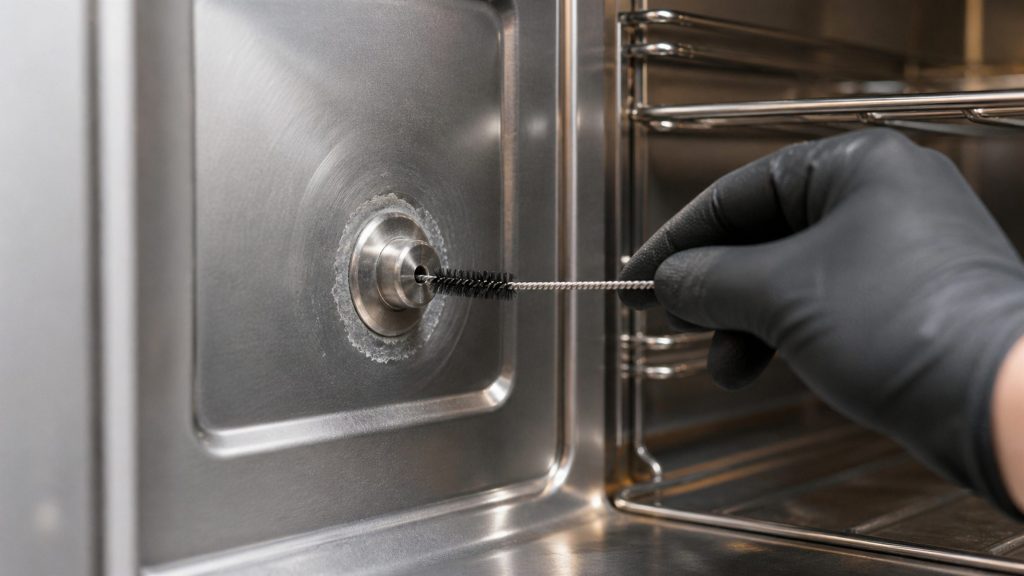
from $225 Steam oven repair
Thirty-eight of the hundred and ten ovens this maker lists here cook with steam, and a steam oven is a plumbed appliance rather than a hot box: a water tank or a supply, a boiler, a pump, a level sensor and a drain. It has its own failures, its own maintenance, and in South Florida its own standing enemy, which is scale.
- Fill side and drain side diagnosed separately
- Descale history asked about before parts are discussed
- Excessive moisture treated as a real symptom, not a quirk
-
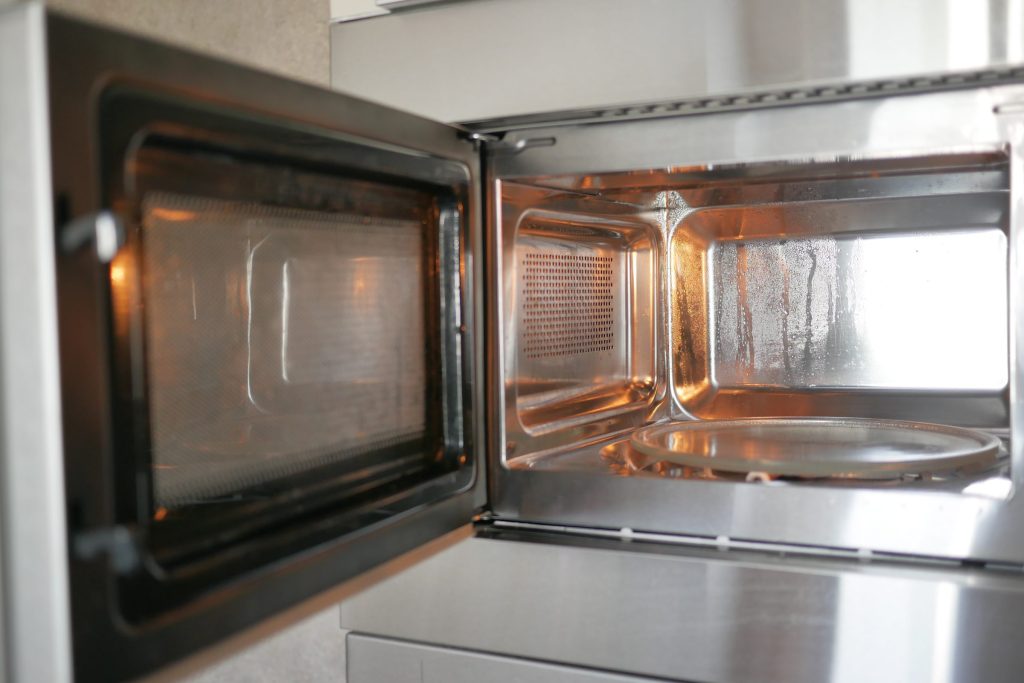
from $195 Speed & convection microwave oven repair
Twenty-eight of this maker's ovens are compact convection-speed machines — an oven with a microwave system inside it — plus a pair of over-the-range combinations. When one of these fails to heat, the first question is which of its two heating systems, because they are separate and only one of them is safe to work on.
- Convection side and microwave side diagnosed separately
- A5 read as the microwave system overheating, not the oven
- High-voltage components named as not an owner repair, at any price
-
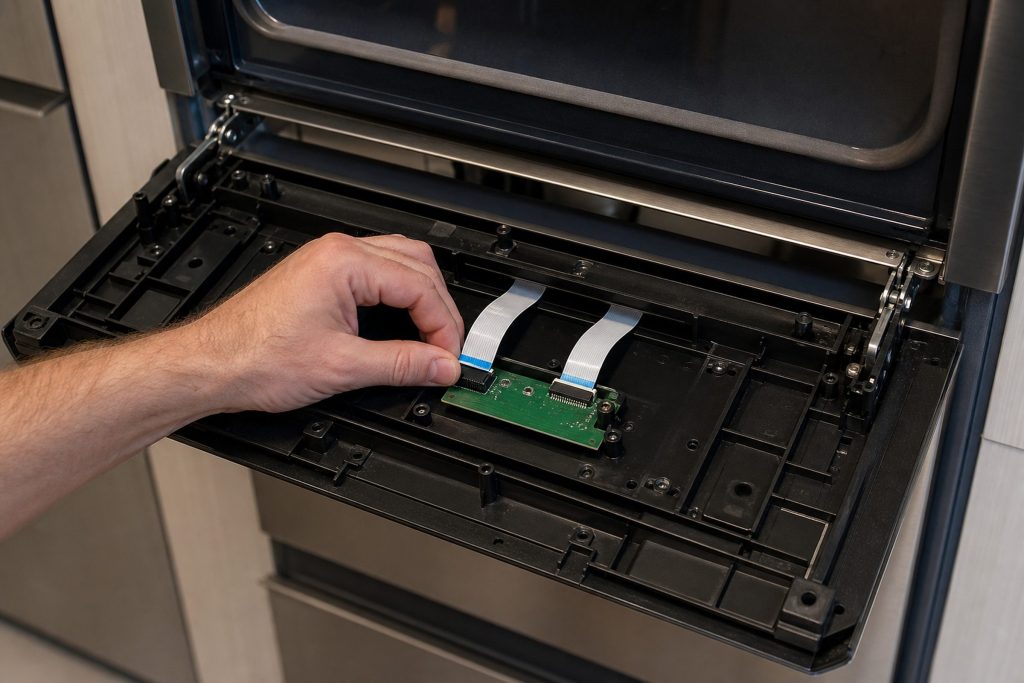
from $215 Oven control & display repair
A display that will not light, controls that do not respond, a clock that will not hold, or an F number the maker prints without an explanation. This is where the oven F codes live, and this page says exactly what is knowable about them and no more.
- F numbers placed in the family the maker publishes, and no further
- Power-event recovery tried before a board is quoted
- Display, control and touch panel as separate parts
-
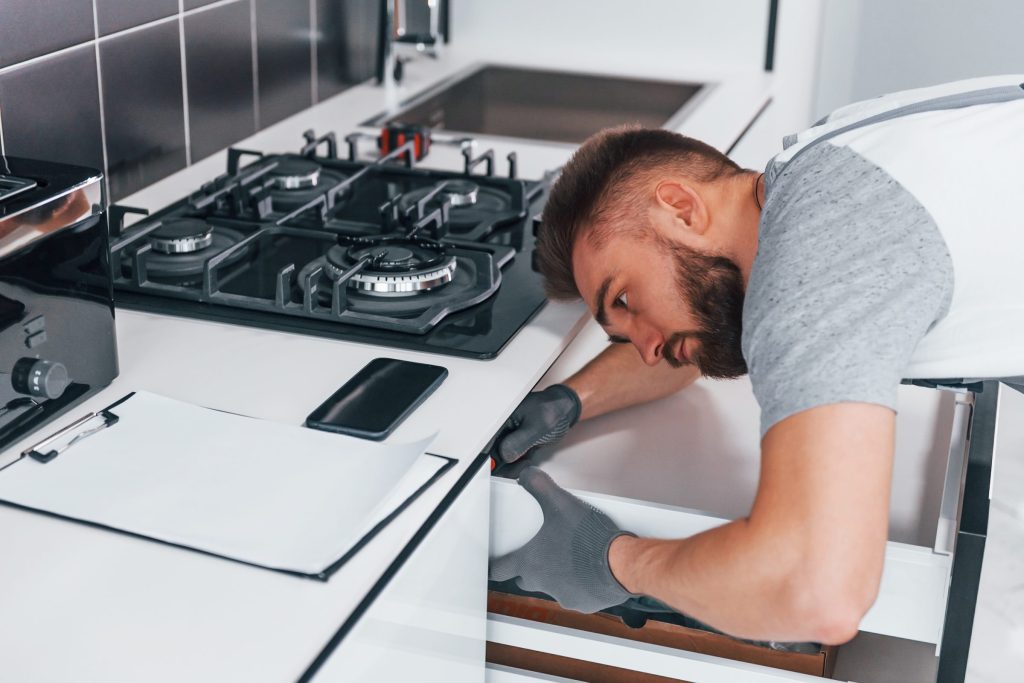
from $135 Appliance maintenance visit
The things this maker's own guides ask an owner to do, done properly and all at once: condensers, filters, seals, descaling, spray arms, ducts. Priced per visit rather than per appliance, which is what makes it worth doing on a kitchen where most of the machines come from one maker.
- Condenser and seals, which are the local weak points
- Steam ovens descaled, which nothing else here does
- One visit, several appliances, one travel charge
-
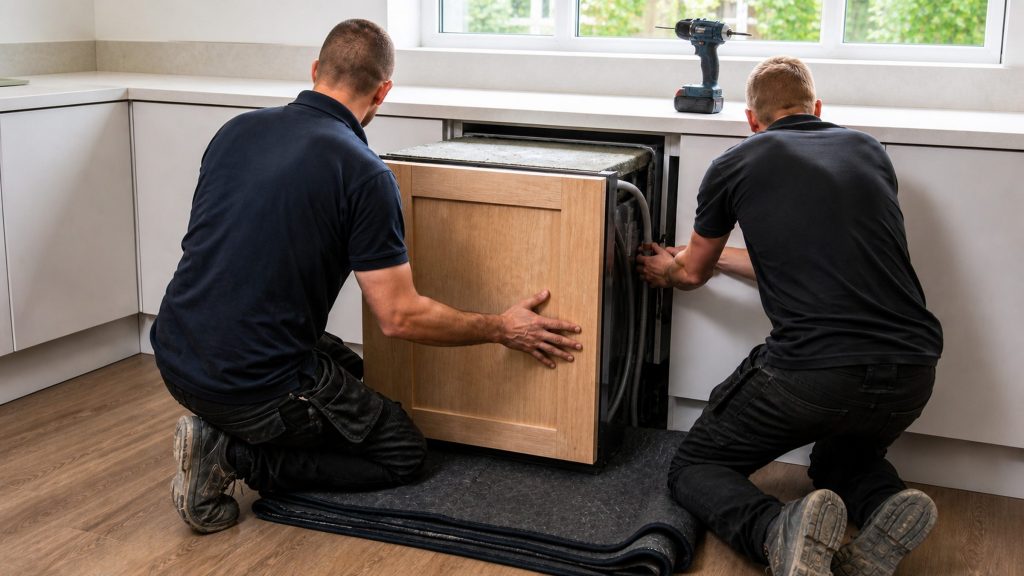
from $175 Appliance installation & re-fit
Putting a built-in machine back into the opening it came out of, aligning a cabinet panel so the kitchen looks right again, and connecting water where there is water. Not a delivery service — this is the re-install after a repair, a kitchen change, or a machine that was never fitted the way its own instructions asked.
- Fitted to the maker's own instructions, and we tell you what they said
- Cabinet panel alignment as a job in its own right
- Ventilation and clearance checked, because it causes later repairs
In more detail
About Fisher & Paykel wall ovens
A hundred and ten ovens, and what the line is made of
Split by what they do: forty-five self-cleaning ovens including six doubles, thirty-eight combi-steam machines in full and compact sizes, and twenty-eight compact convection-speed ovens — an oven with a microwave system in it. They come in three styles the maker names: Contemporary, Minimal — which is the handleless, flush-front look — and Professional. Series 9 accounts for fifty-six of them and Series 11 for twenty-one.
What goes wrong
- No heat with a live display. Element, sensor, relay, or a thermal cut-out that has not reset.
- The self-clean lock, before, during and after the cycle — three different complaints with three different answers.
- Door glass and door alignment, on heavy doors that have been opened for years.
- Uneven baking, which is the sensor and the convection fan far more often than the elements.
- Steam systems: fill, boiler, drain, and the scale that shortens all three here.
- The microwave side of a speed oven, where A5 means that system has overheated and where the high-voltage components are not an owner repair at any price.
- Cooling fans and their sensors, which is what is behind most "it will not stop running" calls.
The codes this maker publishes for an oven
Three with meanings — A1 overheat, A2 the door could not lock for a clean cycle, A3 the door could not unlock afterwards — plus A5 on machines with a microwave system. Everything else is an F number, and the maker does not publish a meaning for each one: it groups them into electronic control, model identification, door lock, and sensor or system, and prints one instruction for all of them. We publish the family and stop there, because the alternative is inventing a diagnosis. There are also the lettered ones — FPOT, FDOR, FAdc, FrEL — which do have meanings and are on their own pages.
What to have ready when you call
The model number from the frame inside the door, which cavity on a double, whether it is a steam or speed oven, and the exact code including its letters.
This article is based on:
- Official manufacturer documentation
- Internal repair procedures
- Technician repair history
- Company quality standards

Before you book
Questions about Fisher & Paykel wall ovens
The door will not open after a self-clean cycle.
Give it time first, because the lock is a temperature interlock rather than a timer: it will not release until the cavity is genuinely cool, and a full clean cycle in a 30-inch oven can take a couple of hours to get there. What is worth avoiding is forcing it, which turns a latch repair into a door repair. If the oven is cold to the touch and the lock has not released — or if the display shows A3 — that is the latch motor or its switch, and it is a common job rather than an alarming one.
The display works but nothing heats up.
That is one of the maker's most-linked articles and it has a real spread of causes. In rough order: an element that has failed open, the temperature sensor, the relay on the control board that switches the element, and — on a machine that has run a clean cycle recently — a thermal cut-out that has done its job and not reset. The useful thing you can tell us is whether the oven is silent or whether the fan runs, because a running fan and no heat points somewhere quite different from a dead cavity.
What does an A1 mean, and why does it not match what I read for another appliance?
On an oven, A1 means the oven has overheated and has suspended its functions to protect itself; the code clears itself once it has cooled and the door has unlocked. On this maker's dishwashers the same A1 means the machine did not fill with water. The numbering is per appliance, not per brand, which is why every code page on this site names the machine it belongs to in its own title.
My combi-steam oven leaves water in the bottom, or will not steam.
A steam oven has a water tank or a plumbed supply, a boiler, a pump and a drain, and every one of those is a place for the complaint to start. Not steaming is usually the fill side — the tank seat, the pump or the level sensor. Water left standing is usually the drain side or a cycle that ended early. Scale is the background cause of a great deal of it in South Florida, and running the descale cycle at the interval the maker asks for is the single most useful thing an owner can do for one of these.
The fan keeps running after I turn the oven off.
That is the cooling fan and it is meant to. These ovens are built into cabinetry, the electronics sit in the same box as the cavity, and the fan runs on after the oven is off to bring the temperature down before it stops. It can run for a long time after a clean cycle. What is not normal is a fan that never stops on a cold oven, or one that has become noticeably louder — the first is usually the thermal sensor that decides when to stop, the second is the fan itself.
Where we do it
Across Miami-Dade, Broward, and Palm Beach
Same terms everywhere we go: an on-site diagnostic first, the price agreed in writing, and the exact figure confirmed once we have seen the unit.
Neighborhoods people ask for by name