Appliance
Fisher & Paykel freezers
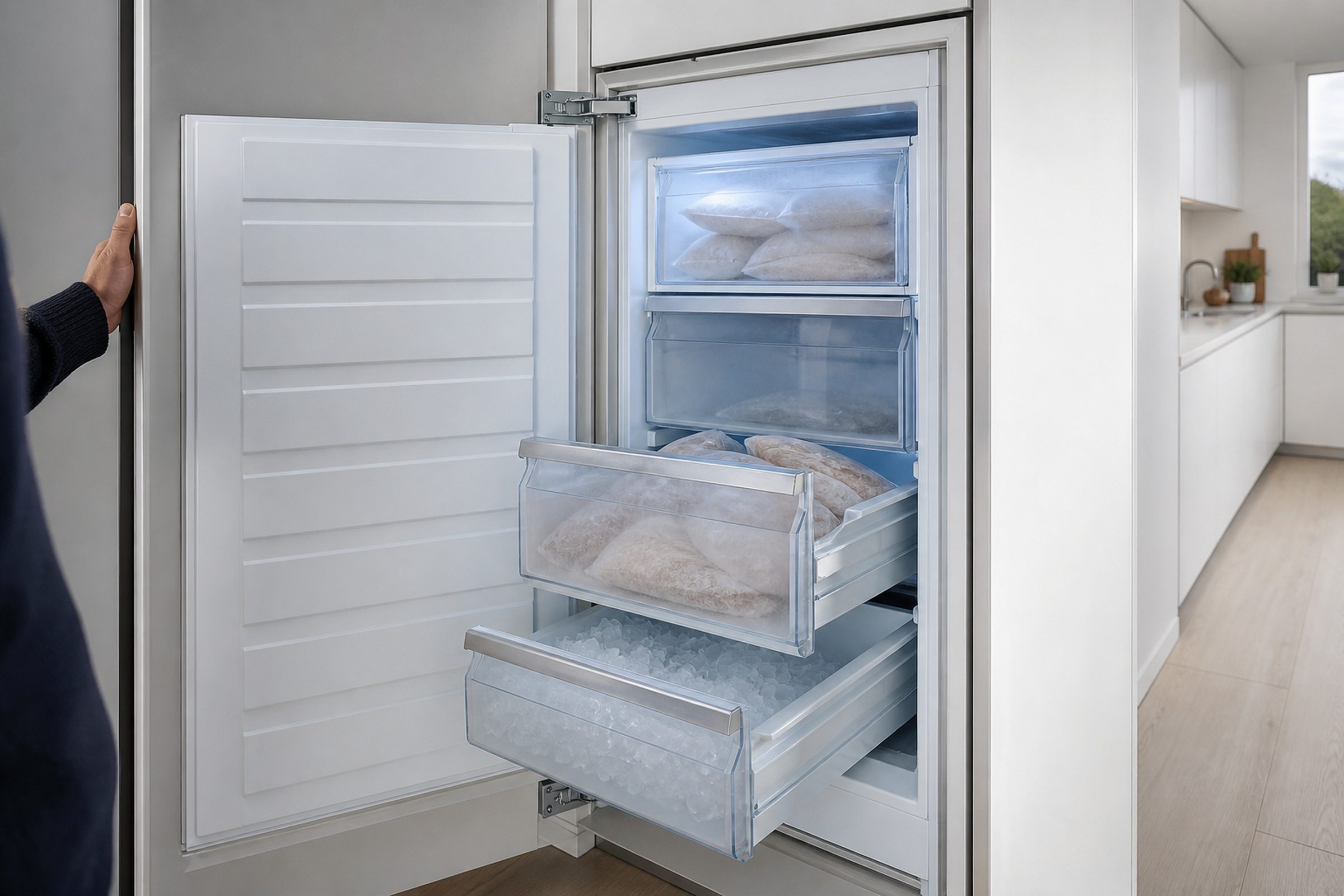
Eight machines, and every one of them is an Integrated column meant to stand beside a refrigerator column behind matching cabinet fronts. Seven of the eight carry an ice maker, and one is a triple-zone machine with three independently controlled compartments. That is the whole row, and this card would rather say so than pad it.
- 6 symptoms we are called out to
- From $95 diagnostic, credited to the repair
- 59 cities and neighborhoods covered
- OEM parts available on order
The short version
What this equipment is, for a repair
Configurations
Integrated column freezers · Triple zone · Ice maker · 18" · 24" · 30" · Series 9 · Series 11
Access
Planned before the visit, not discovered on arrival
Parts
OEM, available on order
Diagnostic
From $95, credited to the repair
What goes wrong with it
Symptoms we are called out to on Fisher & Paykel freezers
Each one covers the likely causes in the order they are worth checking, and what to do in five minutes before booking anything.
-
Fresh food side going warm Refrigerator not cooling
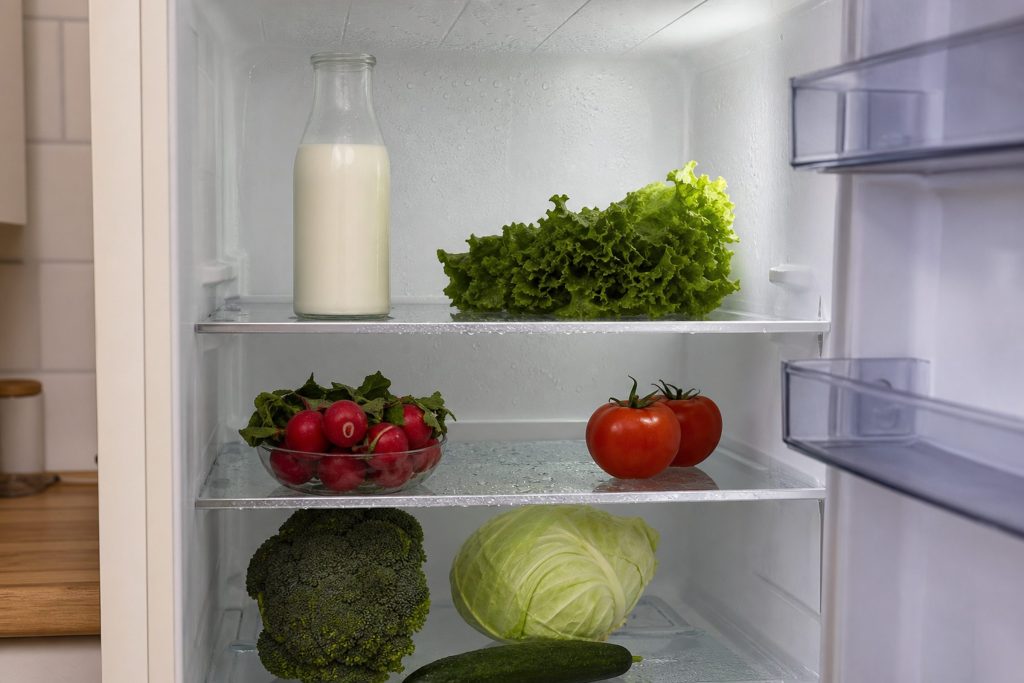
The fresh-food compartment drifting up while the freezer stays cold. That combination is good news more often than not, because a working freezer proves the sealed system is doing its job and puts the problem somewhere ordinary.
- Freezer cold, refrigerator warm
- The machine runs constantly and never arrives
- It got worse over days rather than overnight
-
Usually not a problem The outside of the refrigerator feels warm
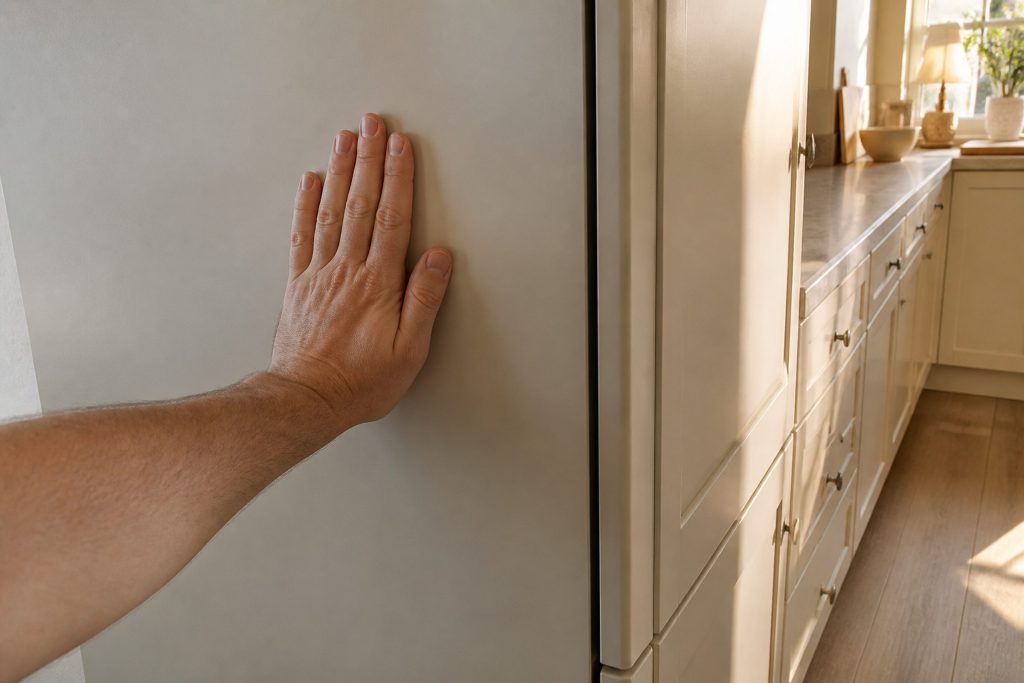
The most-linked refrigeration article this maker publishes — it appears on forty-nine of its models — and the answer is usually that the machine is working correctly. Which is worth saying plainly before anybody spends anything.
- Warm panels around the door frame
- A warm strip down the middle of a column pair
- It is worse in summer
-
The freezer is losing it Frozen food going soft
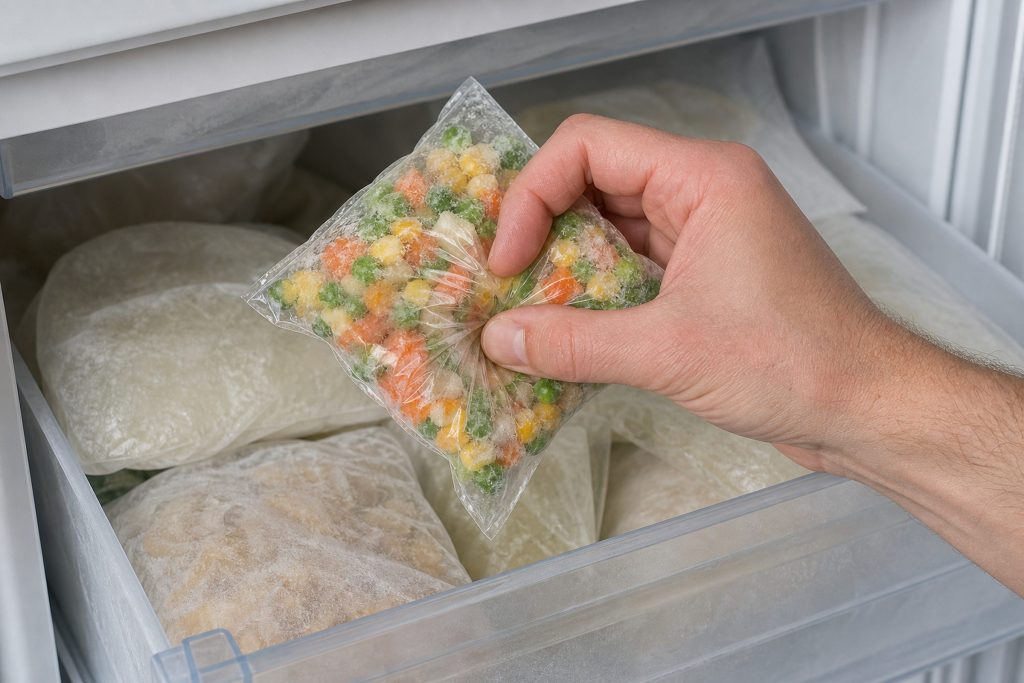
Ice cream that will not set, bags that have gone pliable, or a freezer that is holding a few degrees too warm without ever alarming. It rarely fails all at once — it drifts, which is why people notice it in the food before they notice it in the machine.
- Ice cream soft, everything else looks frozen
- Frost inside bags that were dry
- The freezer has never alarmed
-
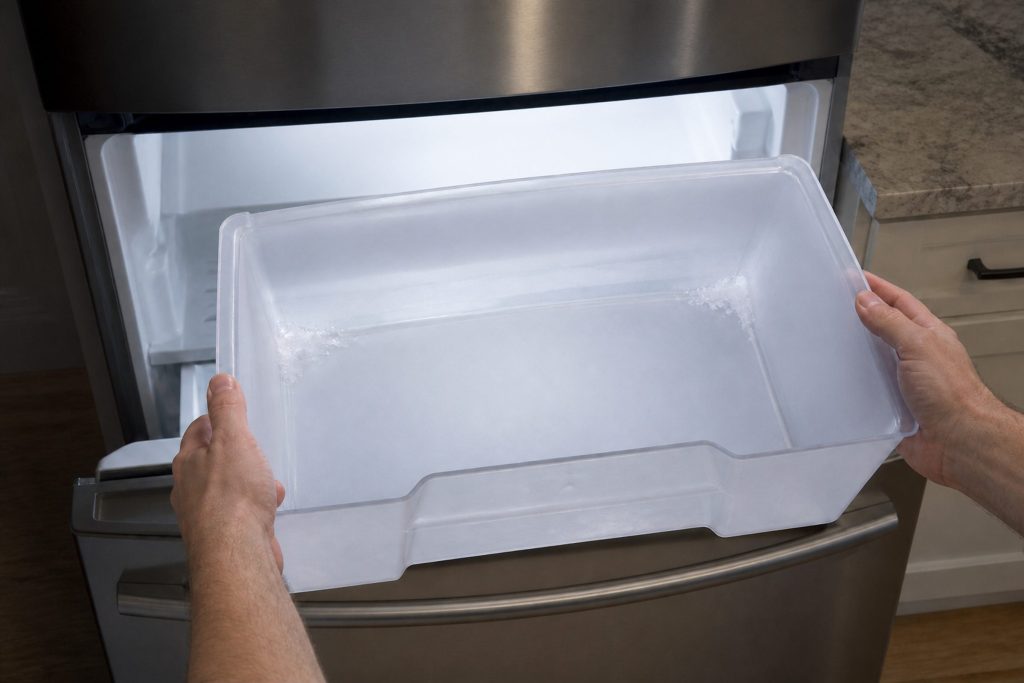
Empty bin, or slow, or small Ice maker not making ice
Four complaints that arrive as one: nothing at all, too slowly, cubes too small, or ice that tastes wrong. The first two things to check are the filter and the water pressure reaching the machine, not the ice maker.
- The bin is empty and stays empty
- Cubes have got smaller or hollow
- Production has slowed over weeks
-
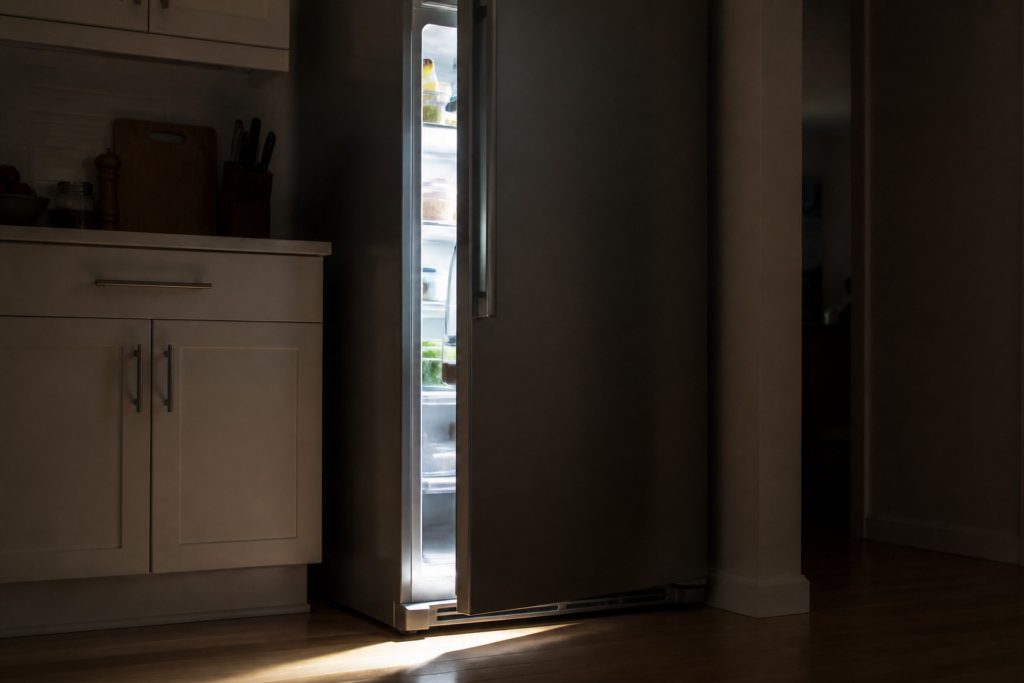
Or sitting crooked Refrigerator door not closing properly
A door that does not swing shut, one that has started to sit crooked, or a seal that no longer seals. On this maker a large share of these are the cabinet panel and its hardware rather than the appliance — which is a much smaller job than the one people brace for.
- The door needs a push to close
- It sits proud at one corner
- Condensation or frost around the frame
-
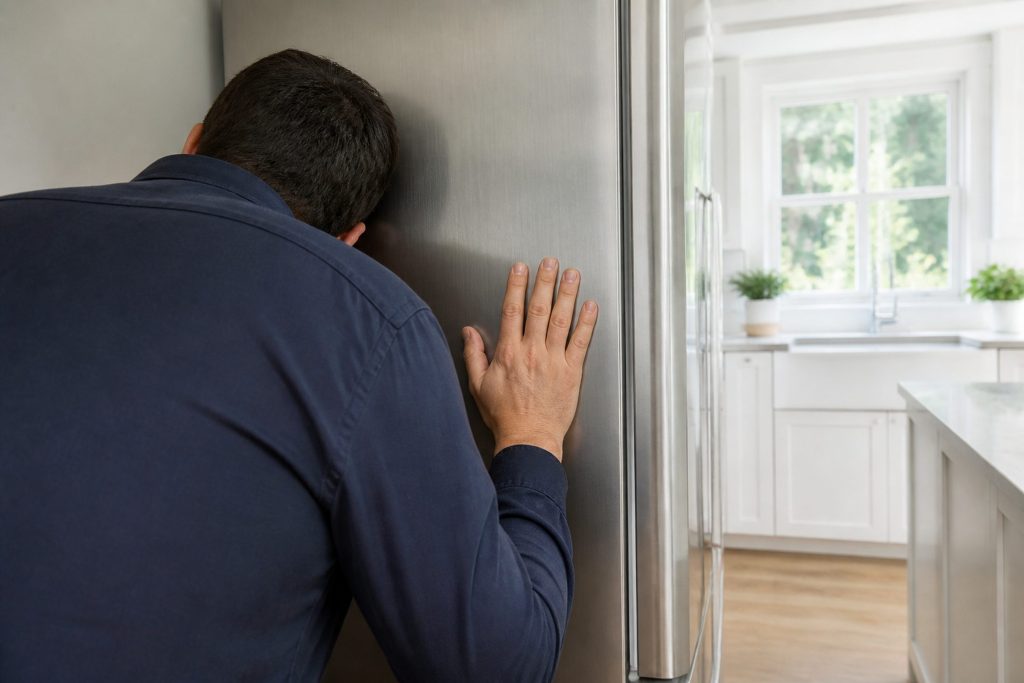
New sounds, not loud ones Refrigerator making an unfamiliar noise
These machines are quiet, which means a new sound stands out — and the maker publishes articles on gasket noise, fan noise and ice maker noise because most of what gets reported is normal. What matters is whether the sound is new, not whether it is loud.
- A creak or suck when the door opens
- A fan that has become louder
- Knocking or grinding during ice harvest
What we do on it
Repairs we carry out on Fisher & Paykel freezers
Starting figures for this equipment in South Florida. The exact cost is confirmed after an on-site diagnostic — and this is not the whole list of what can go wrong, so call if your problem is not here.
-
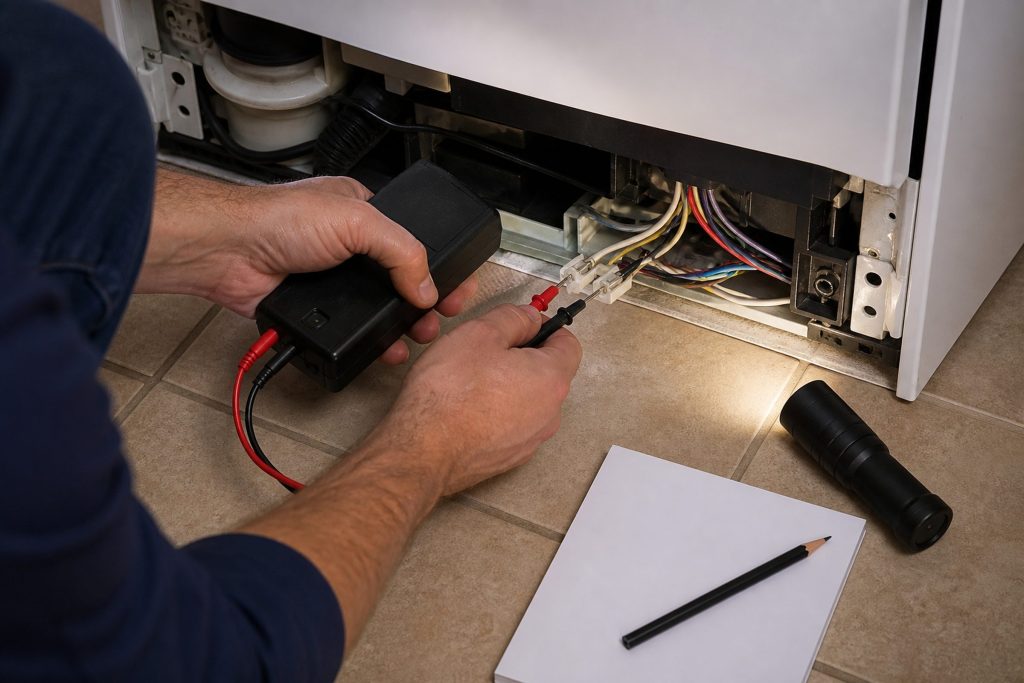
from $95 Diagnostic visit
We read what the appliance is reporting, then measure before saying anything about the repair. On this equipment that also means working out how the machine leaves its opening before anybody touches it. The fee is credited toward the work when you go ahead.
- The code or the light pattern read on site, before anything is cleared
- Measured rather than guessed
- Credited toward the repair
-
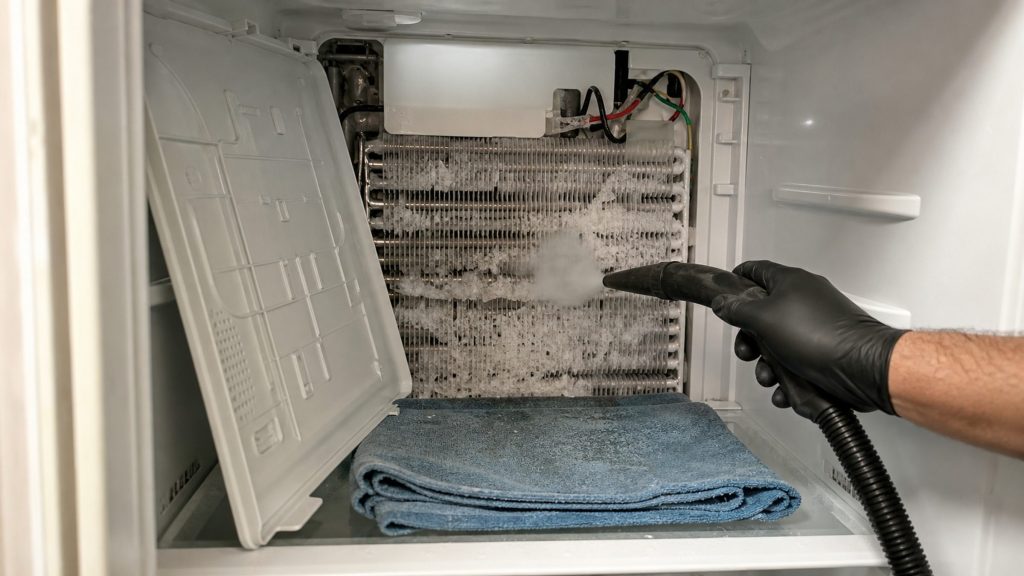
from $185 Refrigerator cooling & defrost repair
A fresh-food side drifting warm while the freezer stays cold, food softening in a freezer that still makes ice, or frost building on a back wall. Airflow and defrost long before refrigerant — and on an integrated column, most of the appointment is reaching the part rather than replacing it.
- Airflow, damper and defrost circuit before anything is opened
- Condenser read for salt and dust, which is a local cause
- Integrated access planned at the diagnostic, not discovered later
-
from $650 Refrigerator sealed system repair
The compressor, the evaporator, the condenser and the tubing between them. The highest figure on this site, quoted last and only after everything cheaper has been ruled out — and on a cabinet worth less than the repair, we say so instead of quoting.
- Quoted only after airflow, defrost and controls are excluded
- EPA-certified refrigerant handling
- An honest view on whether the cabinet is worth it
-
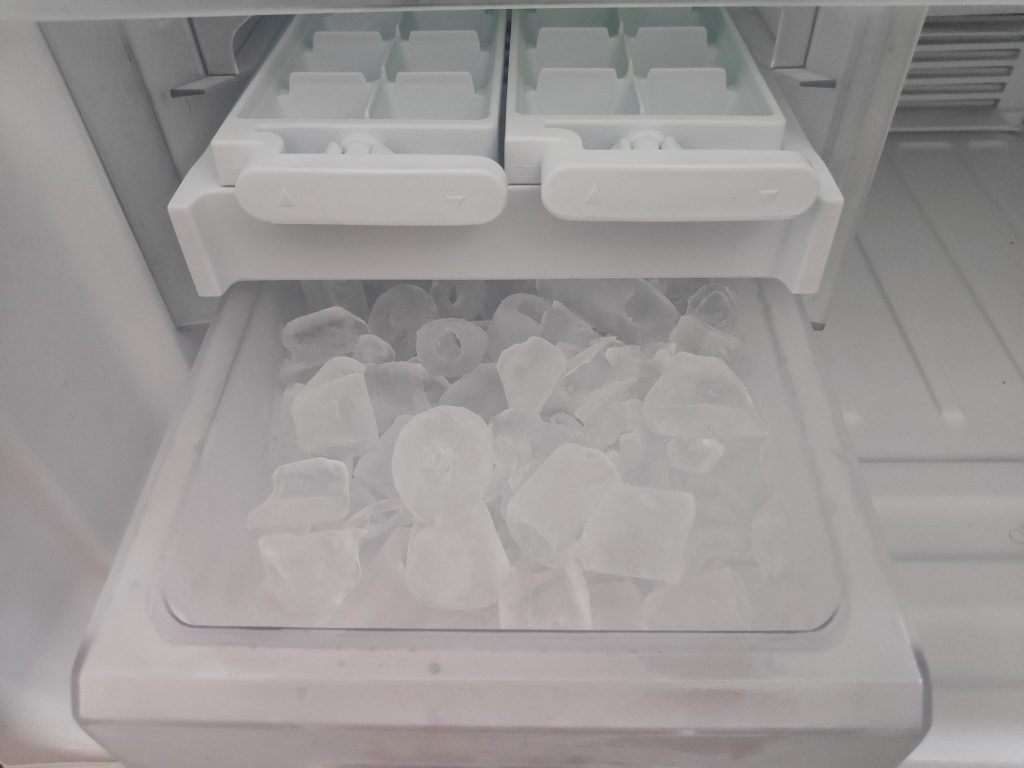
from $165 Ice maker repair
No ice, slow ice, cubes the wrong size, or ice that tastes of the refrigerator. Four complaints, four different repairs, and the first two things to check are the filter and the water pressure reaching the machine rather than the ice maker itself.
- Filter age and water pressure before the ice maker
- Fill valve and module tested separately
- Taste and odor traced to the supply, not deodorized
-
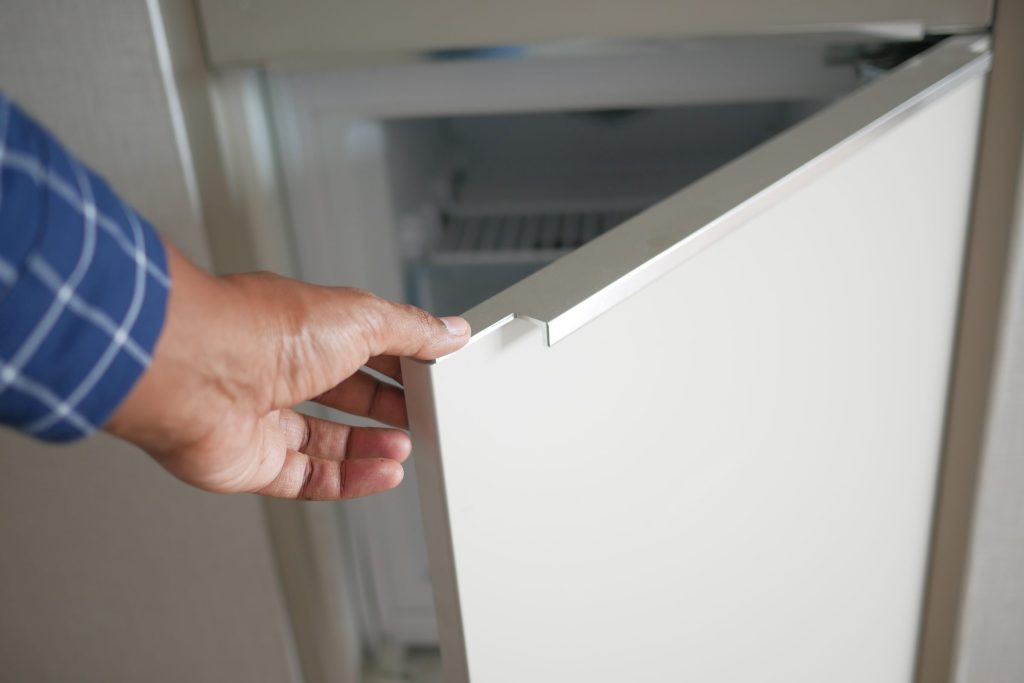
from $145 Refrigerator door, seal & panel repair
A door that will not close, one that has started to sit crooked, or a seal that has stopped sealing. On this maker a large share of these are the cabinet panel and its hardware rather than the appliance — which is a much smaller job than the one people brace for, and it is why this row is priced where it is.
- Panel hardware checked before the appliance is blamed
- Seals read for hardening, set and debris
- Alignment on a door your cabinetmaker built
-
from $195 Refrigerator control & sensor repair
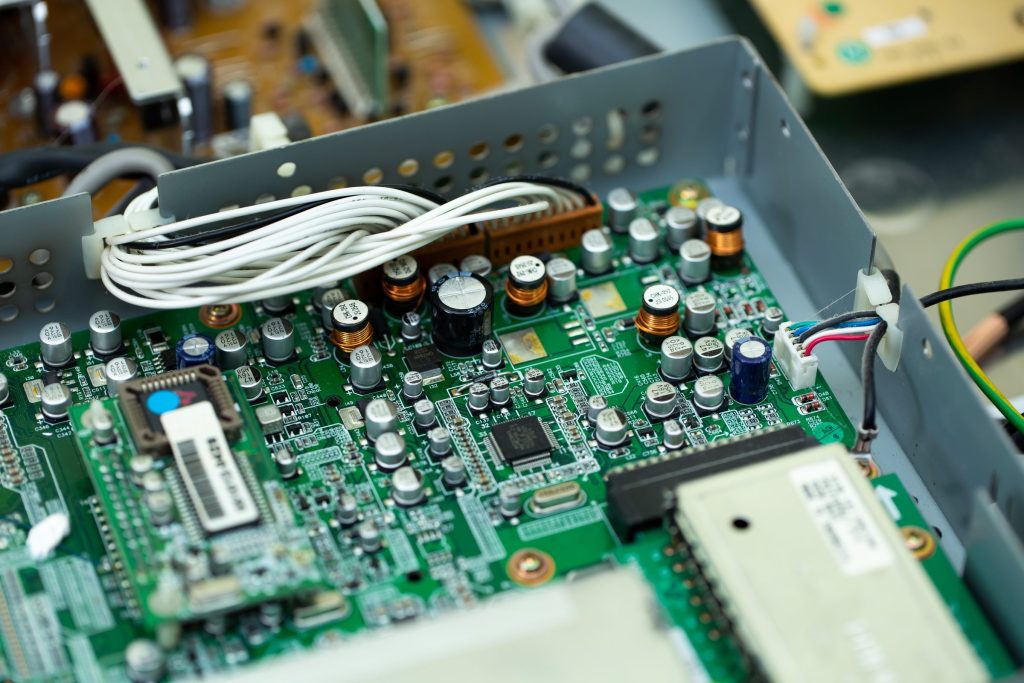
A cabinet that reports an error, holds the wrong temperature while insisting it is right, or will not respond to its controls at all. On this maker the reporting is beeps and flashing LEDs rather than a number on a screen, and reading it correctly is a real part of the job.
- The beep count or LED pattern read before anything is cleared
- Sensors measured against temperature, not swapped on suspicion
- Board quoted last, and only when the sensor side is proved good
-
from $135 Appliance maintenance visit
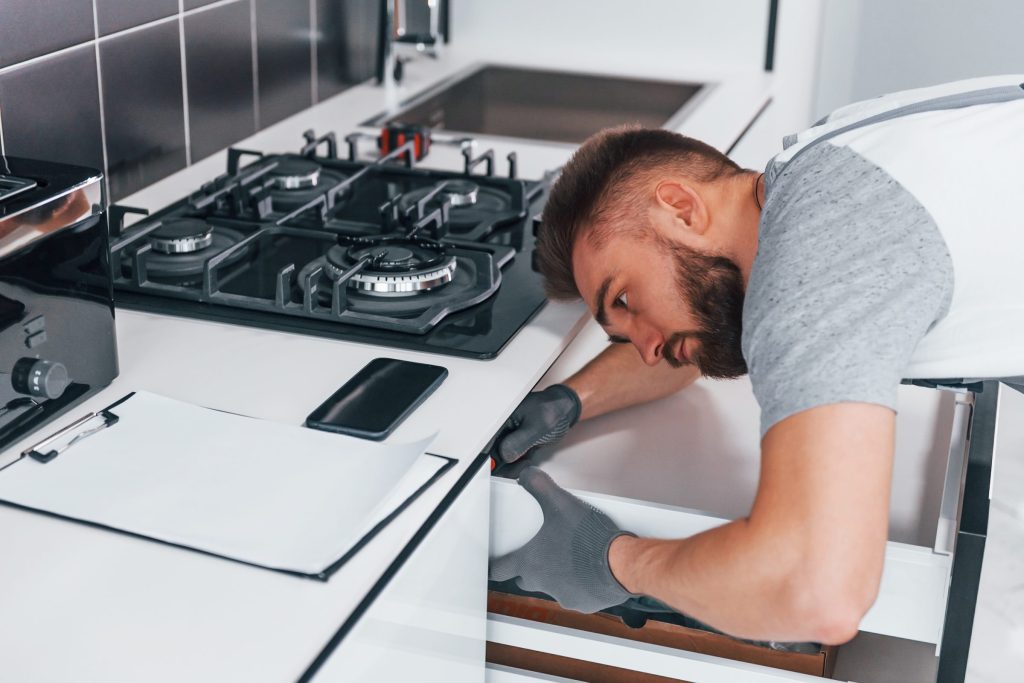
The things this maker's own guides ask an owner to do, done properly and all at once: condensers, filters, seals, descaling, spray arms, ducts. Priced per visit rather than per appliance, which is what makes it worth doing on a kitchen where most of the machines come from one maker.
- Condenser and seals, which are the local weak points
- Steam ovens descaled, which nothing else here does
- One visit, several appliances, one travel charge
-
from $175 Appliance installation & re-fit
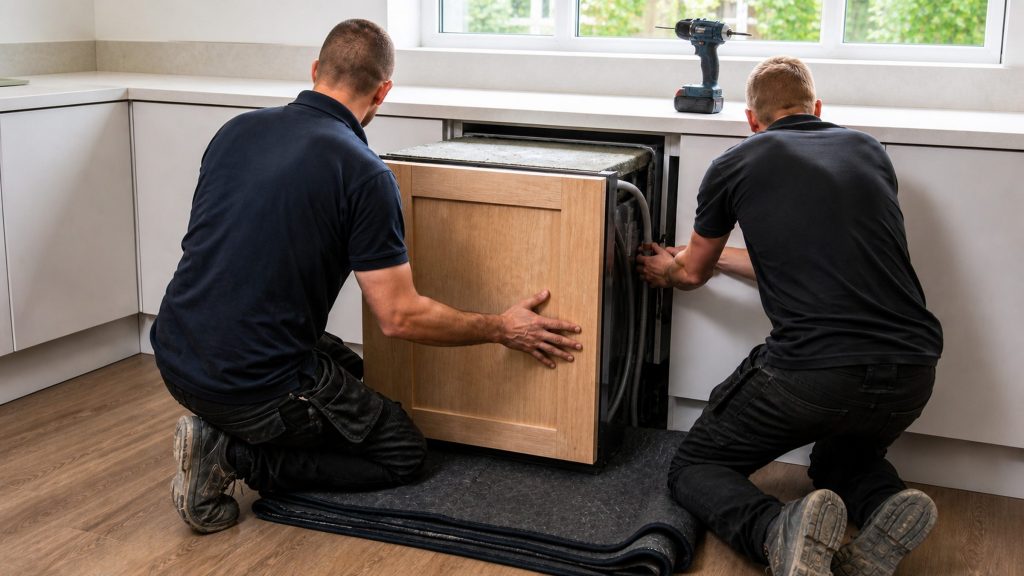
Putting a built-in machine back into the opening it came out of, aligning a cabinet panel so the kitchen looks right again, and connecting water where there is water. Not a delivery service — this is the re-install after a repair, a kitchen change, or a machine that was never fitted the way its own instructions asked.
- Fitted to the maker's own instructions, and we tell you what they said
- Cabinet panel alignment as a job in its own right
- Ventilation and clearance checked, because it causes later repairs
In more detail
About Fisher & Paykel freezers
Eight machines, and what they have in common
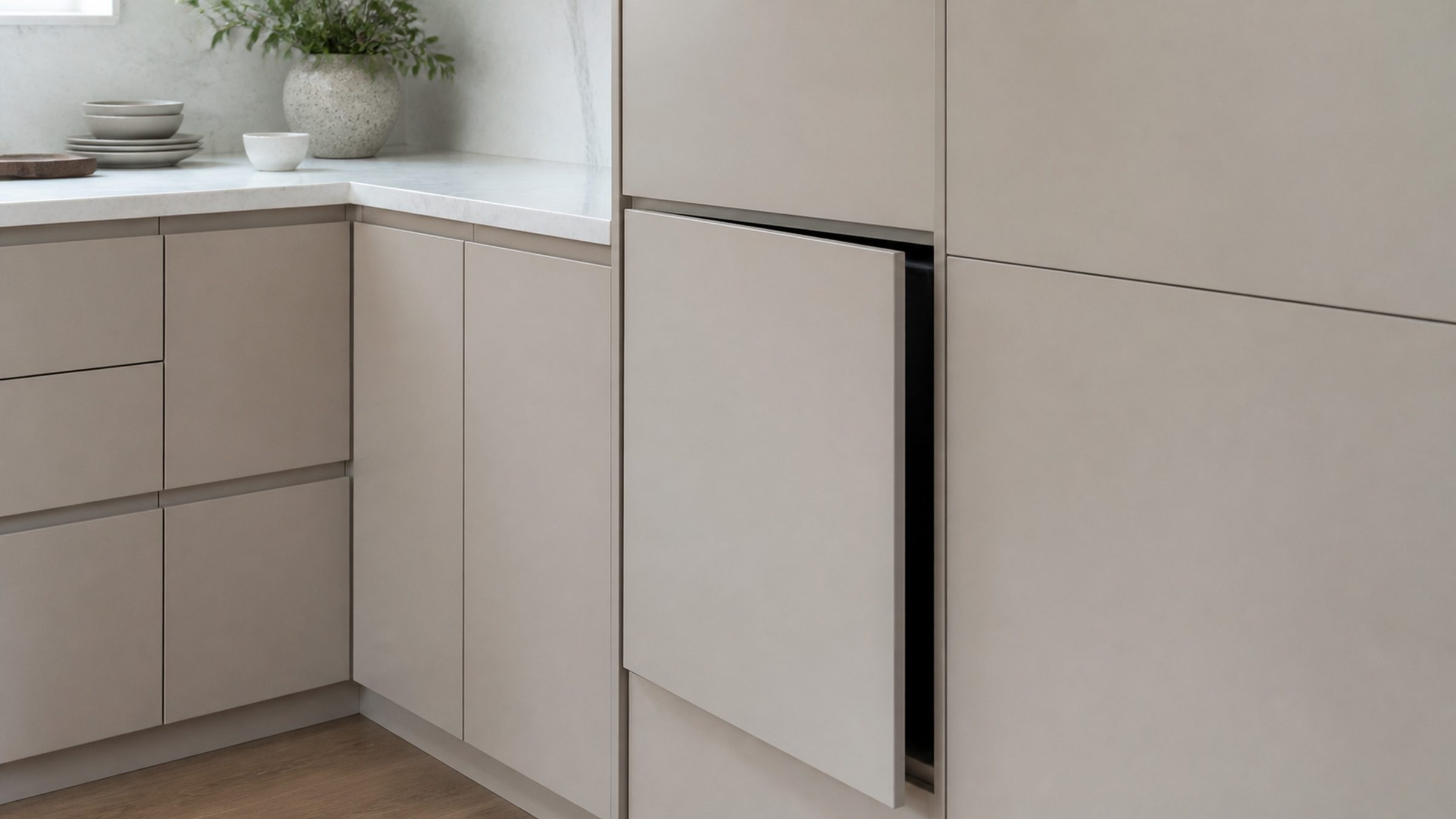
Every freezer this maker lists for the United States is an Integrated column: 18, 24 or 30 inches wide, built into cabinetry, carrying your own door panel, and designed to stand beside a refrigerator column. Six are Series 11 and two are Series 9. Seven of the eight have an ice maker in them. One is a triple-zone machine with three independently held compartments.
What goes wrong
- The defrost cycle — a heater, a sensor or the control that runs it. This is what is behind most frost on the back wall.
- Door seals and door closing, which is what is behind most frost around the drawers.
- The ice maker and its fill valve: no ice, slow ice, or ice where it should not be.
- Fans, which on a column move air between compartments and are the usual answer to one part of the cabinet being warmer than another.
- The panel and its hardware, when a door has started to sit proud or crooked.
What the access looks like
An integrated column is fixed into the opening it was cut for, with your cabinet door hung on the appliance's own hinges and, on the ice models, a water line behind. Some repairs need it out; most do not. We would rather plan that time than discover it in your kitchen, which is why the figure on the cost pages is a starting point and the price is confirmed after we have seen the installation.
This article is based on:
- Official manufacturer documentation
- Internal repair procedures
- Technician repair history
- Company quality standards
Before you book
Questions about Fisher & Paykel freezers
Why are all of these built in?
Because this maker does not sell a standalone freezer for the United States in any other form. The eight in the current line are Integrated columns designed as the other half of a pair: a refrigerator column on one side, a freezer column on the other, both behind your own cabinet fronts. There are no chest freezers here — the US support base lists that category and has nothing in it.
Ice is building up inside. Is the freezer failing?
Not necessarily, and the order of investigation is worth knowing. Frost that forms on the back wall points at the defrost side — a heater, a sensor or the control that runs the cycle. Frost that forms around the drawers or the door points at a seal or a door that is not closing, which in a house that opens the freezer twenty times a day is very often the seal. And ice around the ice maker itself is usually the fill valve overfilling. Three different repairs, and the place the ice is forming tells us which.
The freezer is beeping and showing a number.
Write it down exactly. These machines report an F code, and the maker groups them: temperature sensor, control and module, fan, heater, and ice maker or solenoid. It publishes the family rather than a meaning for each number, and so do we — our code pages tell you which family your number belongs to and stop there rather than inventing a diagnosis. It still narrows the visit considerably.
What is a triple-zone freezer?
One cabinet with three compartments that hold different temperatures independently, so part of it can be a true freezer while another part sits at chiller temperature. For a repair it means "the freezer is not cold" needs a follow-up question: which zone. Each has its own sensor and its own airflow, and a single warm zone is a very different job from a cabinet that has stopped cooling altogether.
Where we do it
Across Miami-Dade, Broward, and Palm Beach
Same terms everywhere we go: an on-site diagnostic first, the price agreed in writing, and the exact figure confirmed once we have seen the unit.
Neighborhoods people ask for by name