Common Problems
Your Fisher & Paykel Refrigerator Is Beeping: Count Before You Clear It
First work out which of two alarms you have. A door alarm is a repeating chirp that starts a minute or two after a door is left ajar and stops the moment it closes — a bottle in a shelf, a drawer not quite home, or a seal that has stopped sealing. A condition alarm is different: the machine beeps a set number of times in a group and flashes an LED on the control panel, and it will not stop because you closed something. On a condition alarm, count. The maker's own instruction for its ActiveSmart refrigerators is to count the beeps — five beeps is F5 — or to count along the LED panel to the light that is flashing. Write that number down before you silence anything, because it is the only evidence the machine produces and it disappears the moment power is cycled. The number places the problem in a named family: temperature and sensor, fan, heater and ambient, ice maker and water system, or control and display.
The full guide
Fisher Paykel fridge alarm: two different alarms, two different answers
Almost every page about a beeping refrigerator assumes you left a door open. Sometimes that is right. On this maker it is right about half the time, and the other half is a machine trying to tell you something specific in the only language it has.
Tell them apart first, because everything after that depends on it.
A door alarm starts a minute or two after a door has been left ajar, repeats steadily, and stops the instant the door closes properly. The usual causes are a bottle sitting proud in a door shelf, a drawer that is not fully home, a shelf pushed forward, or — the one people miss — a seal that has taken a set and no longer pulls the door onto its frame.
A condition alarm is different in shape. It comes in groups: a set number of beeps, a pause, the same number again. An LED on the control panel flashes with it. Closing doors does nothing.
On a condition alarm, count
This is the part almost nobody knows, and it comes straight from the manufacturer's own instructions for its ActiveSmart refrigerators:
> Count the number of beeps. If your refrigerator beeps five times, the code is F5. Or count along the LED panel to the flashing light.
That is the whole method. There is no menu, no diagnostic mode to enter, and no number on a screen — because on much of this line there is no screen at all. A great deal of it is integrated behind a cabinet panel, so the machine reports with the lights it has.
Write the number down before you silence the alarm or cut power. Every reset erases it and nothing keeps a record afterwards. A refrigerator that has been switched off and on has thrown away the only piece of evidence it produced.
What the number tells you
The maker groups its refrigeration codes into families rather than publishing a separate meaning for each number:
- temperature and sensor — the machine is reading, or failing to read, a compartment;
- fan — air is not being moved where it needs to go;
- heater and ambient — the defrost side, and the anti-condensation heating around the frame;
- ice maker and water system — the fill valve, the solenoids, the water path;
- control and display — the board or the panel itself.
We publish exactly that and no more. A table claiming a specific meaning for every F number on this maker is not reading it off the maker's own paper, and an invented code meaning costs you a visit rather than saving you one.
What the family is worth is real: it tells a technician which half of the machine to start in, and it stops a control board being quoted against a sensor condition.
:::
Before you call, four free things
- A full minute at the breaker. Sixty seconds, not a flick. Storm season leaves controls locked up rather than failed, and this is the cheapest repair in the trade.
- Set the clock and the temperatures again afterwards. Some controls will not act normally until they know what time it is.
- Paper-test the doors at four or five points around each frame. If a sheet of paper slides out easily anywhere, you have found a gap, and a gap explains both a door alarm and a compartment that will not hold.
- Measure both compartments with a thermometer rather than trusting the display. Two numbers are worth a paragraph of description.
When the alarm is telling the truth
If the count comes back after a proper reset, the machine is reporting something it can still see. At that point it is worth a visit, and the visit starts a long way ahead of the beginning because you have the number.
What it usually is, in the order we find it: a sensor that has drifted and is reporting a compartment wrongly; a fan that has slowed or stopped; a defrost circuit that is no longer clearing the evaporator; or a condenser in a coastal kitchen that cannot shed its heat and has left the machine running continuously without arriving.
Only after all of those is it the sealed system — and if a diagnosis arrives there, you will be shown what was measured on the way.
The one alarm worth hurrying for
A refrigerator that is beeping and drifting warm is a food-safety clock rather than an inconvenience. Keep the doors shut, note the count, and call the same day. A refrigerator with the doors kept closed holds food safely for about four hours; a full freezer for considerably longer. Opening it every twenty minutes to check is the thing that shortens both.
If it turns out to be a repair
What this leads to, and what it costs
Every job on this site is priced the same way: an on-site diagnostic first, the figure agreed in writing before anybody starts.
-
Fresh food side going warm Refrigerator not cooling
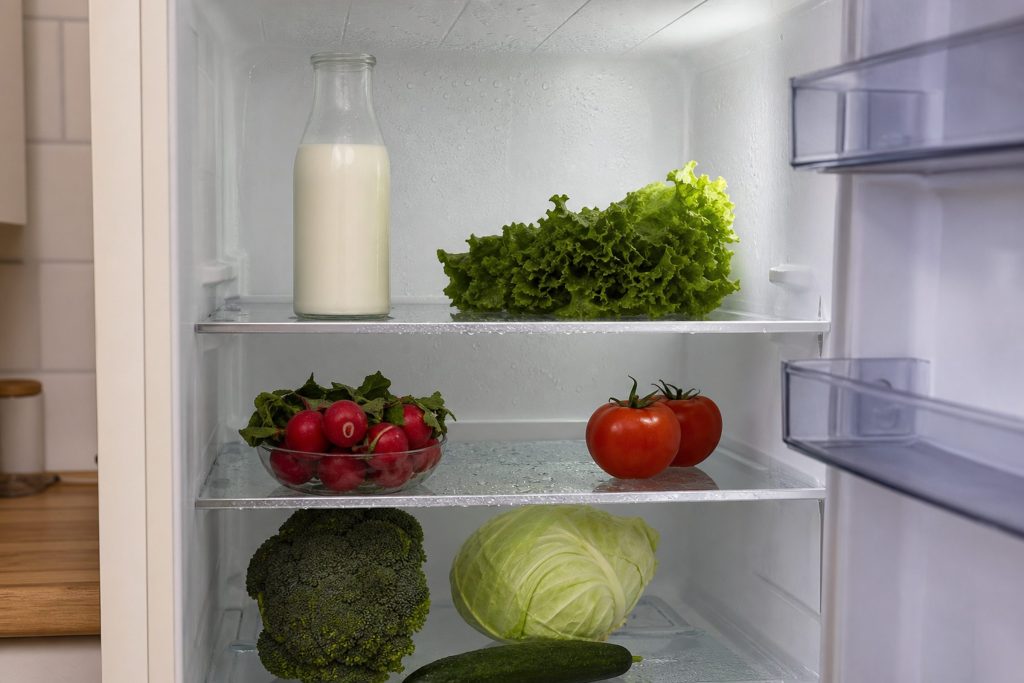
The fresh-food compartment drifting up while the freezer stays cold. That combination is good news more often than not, because a working freezer proves the sealed system is doing its job and puts the problem somewhere ordinary.
- Freezer cold, refrigerator warm
- The machine runs constantly and never arrives
- It got worse over days rather than overnight
-
from $195 Refrigerator control & sensor repair
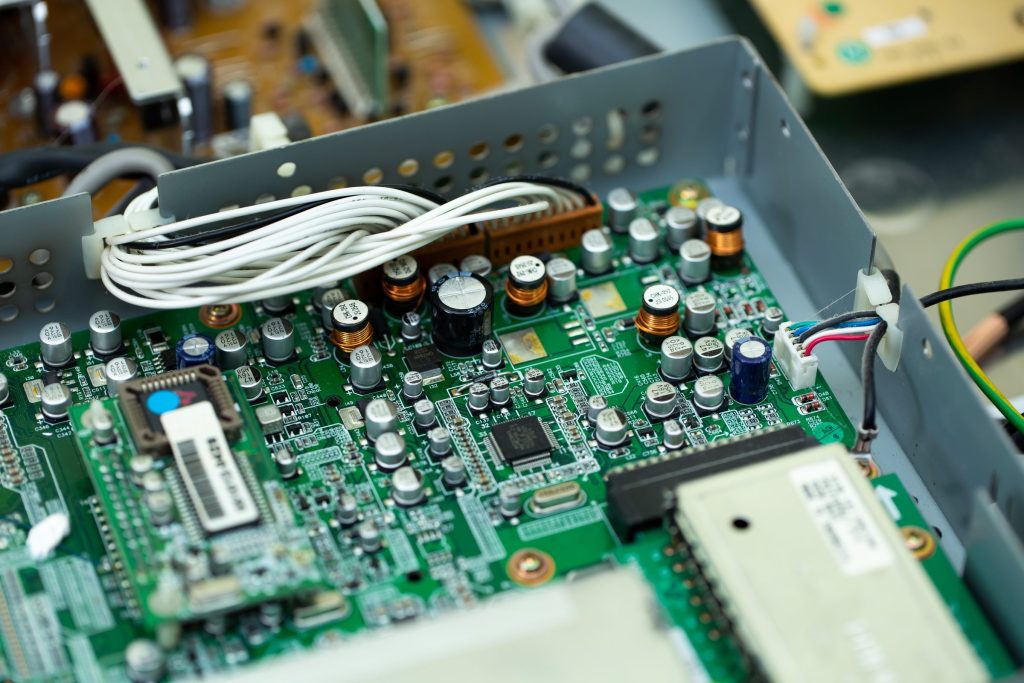
A cabinet that reports an error, holds the wrong temperature while insisting it is right, or will not respond to its controls at all. On this maker the reporting is beeps and flashing LEDs rather than a number on a screen, and reading it correctly is a real part of the job.
- The beep count or LED pattern read before anything is cleared
- Sensors measured against temperature, not swapped on suspicion
- Board quoted last, and only when the sensor side is proved good
-
Integrated columns · French door · Quad door · CoolDrawer · Series 5 · 7 · 9 · 11 · 24" · 30" · 32" · 36" Refrigerators
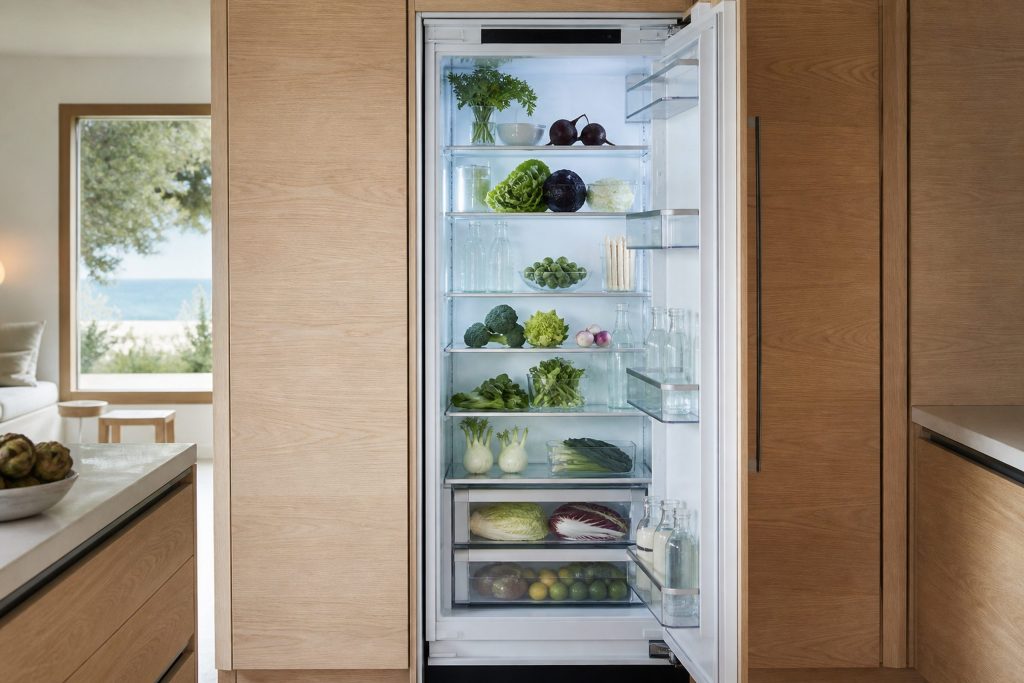
Fifty-one machines in the current line, and twenty-four of them are Integrated — built into the cabinetry behind your own door panels rather than standing in an opening. Columns that pair a refrigerator with a freezer beside it, French door and quad door machines that stand on the floor, and the CoolDrawer, a drawer that can be run as anything from a freezer to a chiller.
- A fresh-food side going warm while the freezer stays cold
- An ice maker that has slowed down or stopped
- A door that no longer sits square, or a seal that has gone warm to the touch
Questions people ask about this
It beeps and I cannot find anything wrong.
Then count. A door alarm has a cause you can see and stops when you fix it; a condition alarm does not. If the beeping comes in groups with a pause between them, count the beeps in one group and note which LED is flashing. That number is what a technician will ask you for first, and having it turns a vague call into a specific one.
The alarm went off after a power cut.
Very common in storm season, and often not a failure. Try a full minute at the breaker — sixty seconds, not a flick — and then set the clock and any temperature settings. Controls lock up rather than fail more often than people expect. If the same count comes back after that, the machine is reporting something real and it is worth a visit.
Can I just turn the alarm off?
You can silence most of them, and on a condition alarm that is the equivalent of turning off a smoke detector rather than dealing with the smoke. Silencing is fine once the number is written down. What is not fine is silencing it, forgetting, and calling three weeks later when the compartment has drifted and the food has been thrown away twice.
What does F5 mean exactly?
It belongs to the temperature and sensor family — that is what the maker publishes, and it does not print a separate meaning for each number inside a family. That is genuinely useful rather than a shortfall: it puts the visit in the sensing half of the machine rather than the mechanical half before anybody drives anywhere, and it stops a control board being sold against a sensor code.
My door alarm does not go off at all.
The maker publishes an article on that too, and it is the same switch seen from the other side. A door switch that no longer reports the door position leaves you without the alarm and, on some machines, with a light that stays on inside. It is a small repair and worth doing, because the alarm is what tells you about the door that has been sitting open all afternoon.
Does an integrated column beep differently?
The reporting is the same; what differs is that you may not be able to see the LED strip without opening the door, because the front is your own cabinetry. Open the door, look at the control strip, and count. If the panel is inside the compartment on your model, that is where the flashing light is.
Common Problems
More guides like this one
-

Why Is My Oven Door Locked? A2, A3, and Two Hours of Patience
The lock is a thermometer, not a timer. It releases when the cavity is genuinely cool, and the single most expensive mistake available is pulling on the door before it does.
Read more -
DishDrawer Will Not Drain: the Filter, the Hose and the A3 Code
The maker publishes both the code and the order to work through it, and the first two things on its list cost nothing. Most of these end before anybody is called out.
Read more -
DishDrawer Problems: What Goes Wrong on a Dishwasher That Is a Drawer
A DishDrawer has no door and no door gasket. It seals from above, under a motor, which changes where it leaks, what fails, and why one drawer of a double can be perfect while the other is out.
Read more
Tell us the model number and what it is doing.
This article is based on:
- Official manufacturer documentation
- Internal repair procedures
- Technician repair history
- Company quality standards