Maintenance & Prevention
Cleaning a Refrigerator Condenser in South Florida: the Job That Pays for Itself
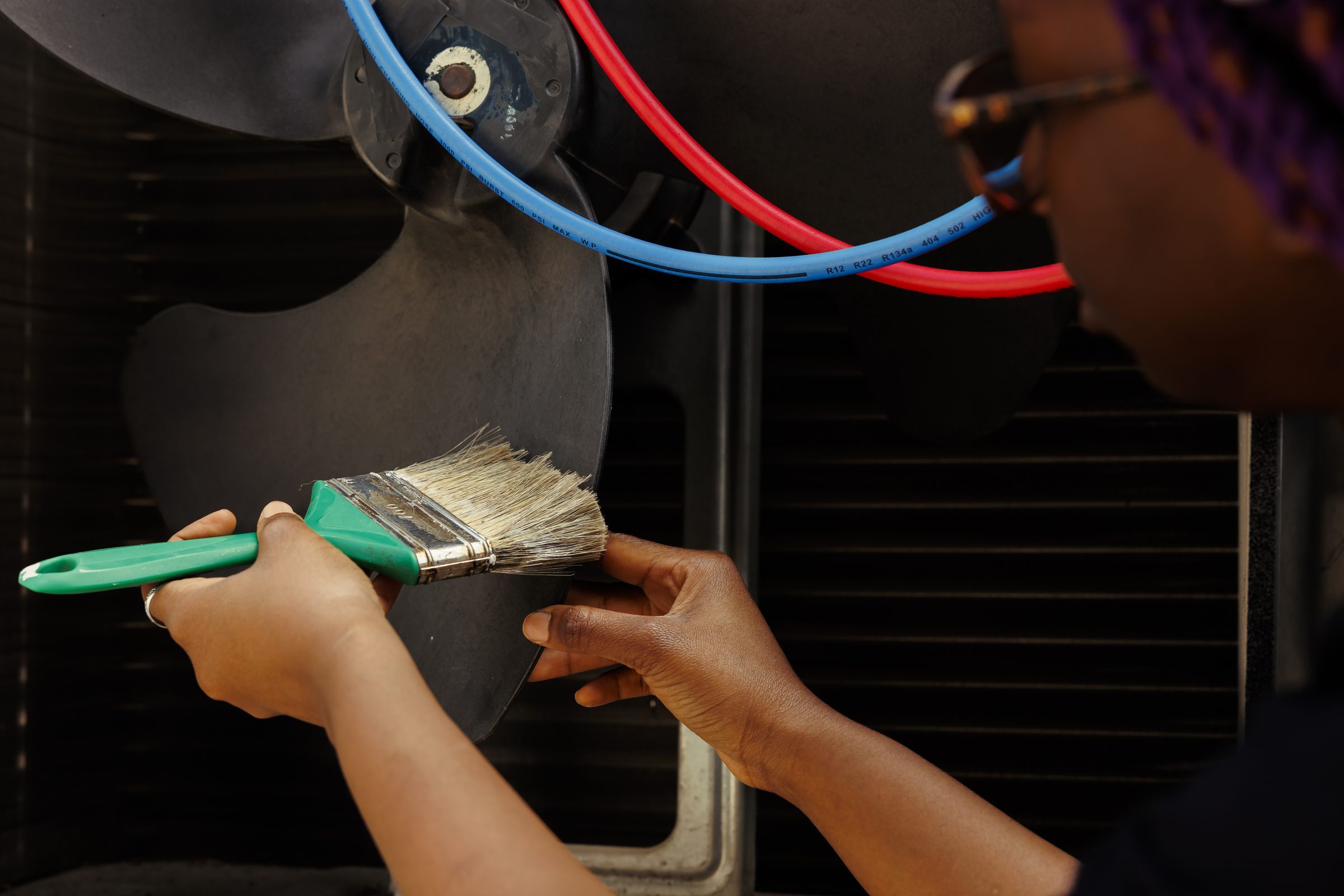
The condenser is the panel of closely spaced fins that hands the heat from inside the cabinet to the room, and it only works if air can pass through it. On a built-in machine it usually sits behind a grille above the doors or behind the plinth, not at the back. Clean it with the machine switched off at the circuit, a soft brush and a vacuum with a crevice tool, working with the fins rather than across them so they do not bend. The general advice is once a year; in a house within a few blocks of the water, where the dust arrives with salt in it and eight months of the year are humid, twice is closer to right. What a blocked one costs is not immediate failure — it is a compressor running for hours it should not, a cabinet that never quite reaches temperature in August, an electricity bill nobody connects to the refrigerator, and a machine that ages faster than it should.
The full guide
Fisher Paykel clean condenser: what it is and why it matters here
A refrigerator does not make cold. It moves heat — out of the cabinet and into your kitchen — and the condenser is where that heat is handed over. It is a panel of closely spaced fins with a fan behind or beside it, and it works only as long as air can pass through it.
Block the air, and the heat has nowhere to go. The machine keeps trying. The compressor runs longer, works harder, and gets hotter, and the cabinet never quite reaches its setting on a hot day.
:::
Where it is on this equipment
On a freestanding machine it is often at the back, and you can see it.
On the built-in and integrated machines that make up so much of this maker's line, it is not. It sits behind a grille above the doors or behind the plinth, in the machine compartment — which is exactly why nobody cleans it. There is no obvious dusty thing at the back of the appliance to prompt you.
If your refrigerator is an integrated column with your own cabinet panel on the front, reaching the condenser means removing part of that installation, and it belongs on a maintenance visit rather than on a Saturday morning.
How to do it, on a machine you can reach
- Switch the circuit off at the panel. Not just the control.
- Remove the grille or the plinth panel. On most it clips or unscrews; work out which before pulling.
- Brush with the fins, not across them. A soft brush along the direction the fins run. Bent fins block air as effectively as dust does.
- Vacuum as you go, with a crevice tool, catching what the brush releases.
- Do the fan blades too if they are reachable — dust on a fan is imbalance as well as restriction.
- Refit the grille, restore power, and let the machine settle for a few hours before judging it.
Twenty minutes on a machine you can get at.
How often, honestly
The general figure is once a year, and it comes from manuals written for the whole country.
Within a few blocks of the water in South Florida, twice is closer to right, and the reason is specific rather than dramatic: the dust here arrives with salt in it. Salt-laden dust is stickier than ordinary house dust — it packs the fins rather than sitting loosely on them — and it is corrosive over years on the aluminum it is packing into.
A sensible rhythm is: look at it in June, before the hardest four months, and again after them.
:::
What a blocked condenser actually costs
Not a sudden failure. That is the reason it gets ignored.
- Run time. A machine that should cycle runs continuously. In a quiet house you can hear the difference.
- Temperature in August. The cabinet holds fine in February and drifts up in summer, which people read as an intermittent failure.
- Electricity. A real number, on a machine that runs all day, that nobody attributes to the refrigerator.
- Compressor life. The one that matters. A compressor working against a blocked condenser is running hotter than it was designed to for years, and that is the difference between a machine that lasts fifteen years and one that lasts nine.
- Every other failure, made worse. A marginal fan, a tired relay, a seal that has taken a set — all of them show up sooner on a machine that is already working too hard.
The thing worth knowing before you call anybody
If your refrigerator is not cooling properly, cleaning the condenser is the first thing to try and it is free. It produces exactly the same complaint as several expensive failures, and ruling it out costs an hour.
If we come out and find a gray condenser, we will clean it, tell you plainly that was the problem, and charge you the visit and nothing else. That is a better outcome for you than a part, and it happens more often than people expect.
If it turns out to be a repair
What this leads to, and what it costs
Every job on this site is priced the same way: an on-site diagnostic first, the figure agreed in writing before anybody starts.
-

from $135 Appliance maintenance visit
The things this maker's own guides ask an owner to do, done properly and all at once: condensers, filters, seals, descaling, spray arms, ducts. Priced per visit rather than per appliance, which is what makes it worth doing on a kitchen where most of the machines come from one maker.
- Condenser and seals, which are the local weak points
- Steam ovens descaled, which nothing else here does
- One visit, several appliances, one travel charge
-

Fresh food side going warm Refrigerator not cooling
The fresh-food compartment drifting up while the freezer stays cold. That combination is good news more often than not, because a working freezer proves the sealed system is doing its job and puts the problem somewhere ordinary.
- Freezer cold, refrigerator warm
- The machine runs constantly and never arrives
- It got worse over days rather than overnight
Questions people ask about this
How do I know if it needs doing?
Look at it. Fins that are gray rather than metal-colored, or a grille you cannot see daylight through, is your answer. The behavioral sign is a machine that runs and runs in summer without reaching its setting, and gets there fine in winter — that is a condenser question before it is anything else.
Is it really different in a coastal house?
Yes, and it is one of the few pieces of general appliance advice that genuinely does not transfer. Salt-laden dust is stickier and more corrosive than ordinary house dust, and it packs the fins rather than sitting loosely on them. A condenser a mile inland and one three blocks from the water are not on the same schedule.
Can I use compressed air?
It works and it makes a mess, because it pushes everything into the room rather than into a vacuum. If you use it, do it with the vacuum nozzle on the other side of the fins catching what comes through, and wear a mask. A brush and a vacuum is slower and tidier.
Where is it on an integrated column?
Usually behind a grille above the doors or in the plinth, and reaching it means removing a panel that is part of your cabinetry rather than part of the appliance. That is why this job goes undone on exactly the machines where it matters most, and why it belongs on a maintenance visit for an integrated machine.
Will cleaning it fix a refrigerator that is not cooling?
Sometimes, and it is worth trying before booking anybody. A condenser that cannot shed heat produces exactly the same complaint as several expensive failures, and it is free. What it will not fix is a stopped fan, a failed defrost circuit or a door that no longer seals — but ruling it out costs an hour.
Does it need doing on a wine cabinet too?
More than on anything else, because a 24-inch wine cabinet is usually built into an island or a bar run with the least airflow in the kitchen. A wine cabinet that has always struggled in August is very often telling you about its condenser and the cabinetry around it rather than about a failed part.
Maintenance & Prevention
More guides like this one
-

Changing the Water Filter: the Part Behind Three Different Ice Complaints
Slow ice, small cubes and a bad taste look like three failures and are frequently one $50 part past its life. Here is how to change it, reset the light, and read what happens next.
Read more -
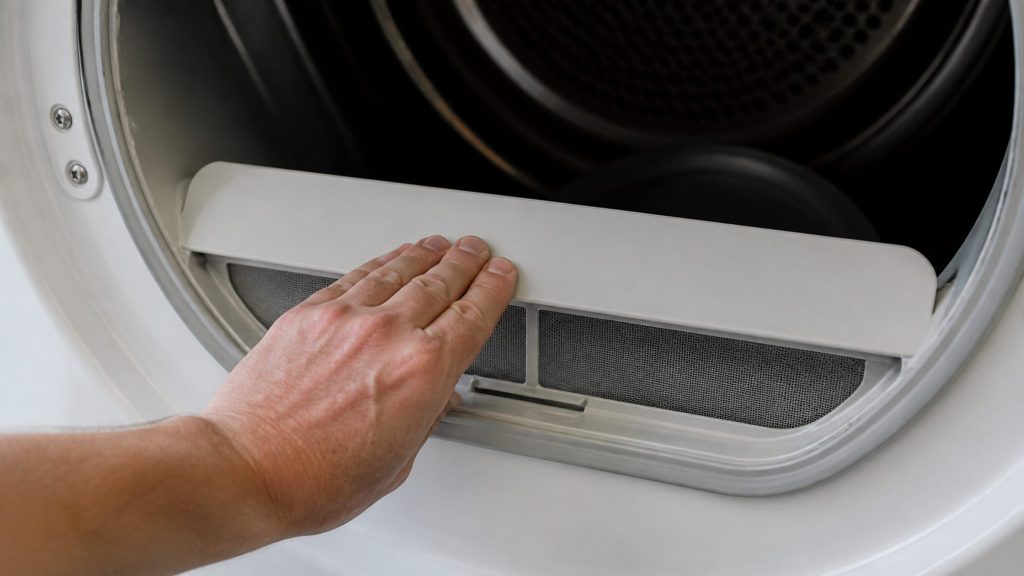
Dryer Maintenance for a Machine the Maker No Longer Sells Here
Fisher & Paykel lists no dryer for the United States today, and still sells laundry spare parts. That combination changes what maintenance is worth, and it is worth more.
Read more -

Cleaning and Reviving a Refrigerator Door Seal Before It Costs You a Compressor
A door seal is the cheapest preventive repair in the kitchen, and the one nobody thinks of as a repair at all. Four separate complaints trace back to it.
Read more
Tell us the model number and what it is doing.
This article is based on:
- Official manufacturer documentation
- Internal repair procedures
- Technician repair history
- Company quality standards