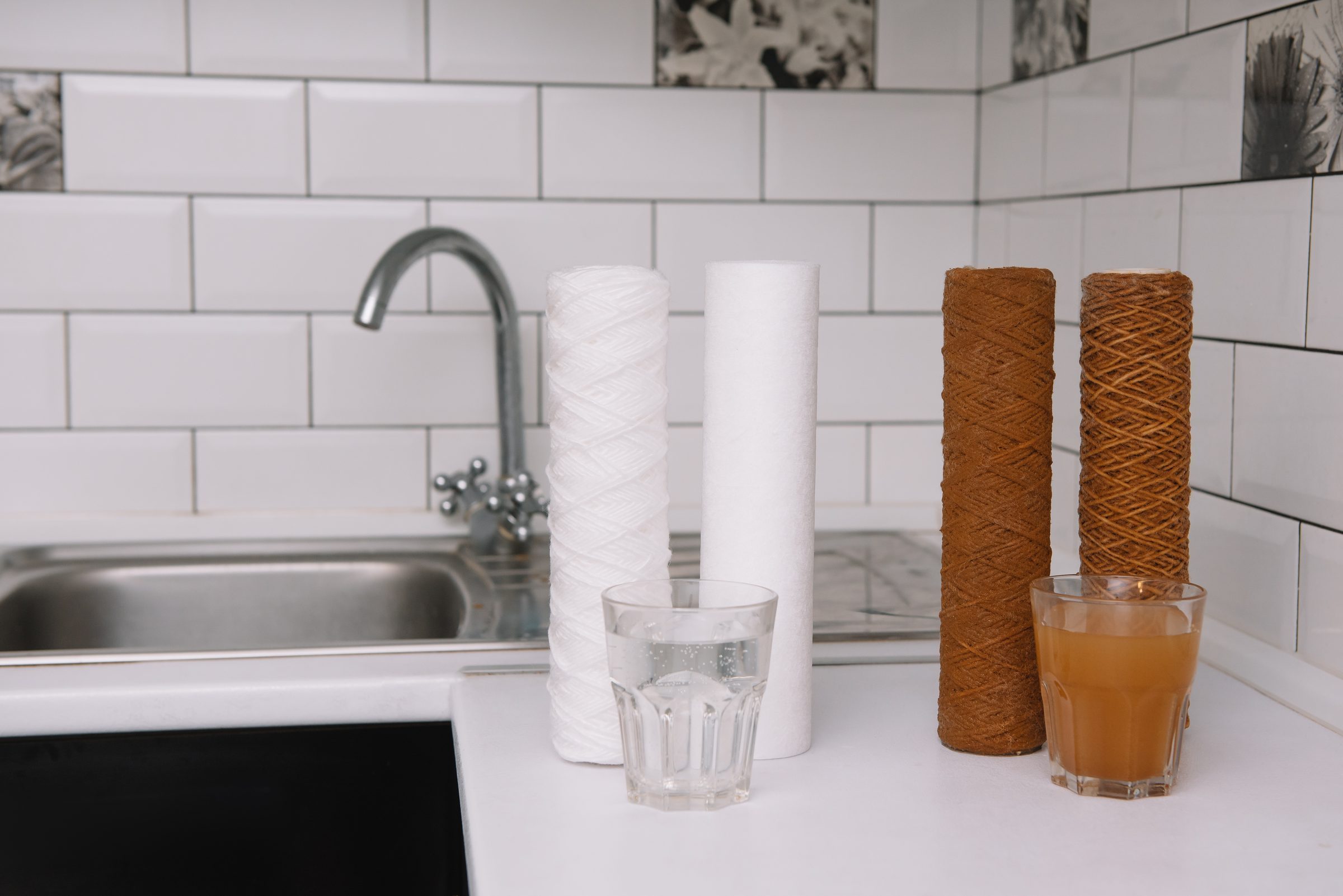
Maintenance & Prevention
Changing the Water Filter: the Part Behind Three Different Ice Complaints
Change it about every six months, or when the indicator asks, whichever comes first. The cartridge either quarter-turns out of a housing inside the compartment or pulls out of the plinth depending on the model; run a couple of gallons through the dispenser afterwards to flush the carbon dust and clear the air; then reset the indicator, which is usually a press-and-hold on the filter button for a few seconds. What makes this worth its own page is that a filter past its life is implicated in three complaints at once — ice arriving slowly, cubes coming out small or hollow, and water or ice that tastes of something. Those get reported as three different failures and booked as three different visits, and a real share of them are one cartridge. Expect the first batch or two of ice after a change to be small, cloudy or hollow: that is air in the line and it clears once enough water has been drawn through.
The full guide
Fisher Paykel water filter change: one part, three complaints
Most pages about a water filter explain how to twist a cartridge. That is thirty seconds of the job. The reason it deserves a page is that a filter past its life produces three separate complaints at once, and they get reported as three different failures:
- ice arriving slowly, or the bin never filling;
- cubes coming out small, hollow or partly formed;
- water or ice tasting of something it should not.
People book a service call for each of those in turn. A fair share of them are one cartridge that is six months past due.
:::
Why flow goes before taste
A filter cartridge works by pushing water through a carbon block. As it loads with what it has taken out, the flow drops first. Taste is the last thing to change, not the first.
That is exactly backwards from how people judge it — "the water tastes fine, so the filter must be fine" — and it is why the interval exists at all. Six months, or when the machine asks, whichever comes first.
Changing it
- Find it. On most machines it is inside the compartment, in a housing on a wall or in the ceiling of the fresh-food section; on some it is behind the plinth at the bottom. If you cannot see one, look for a small door or a recessed handle rather than a cartridge.
- Turn or pull. Most are a quarter turn to release, some pull straight out. Have a cloth ready — a small amount of water comes with it.
- Fit the new one and make sure it seats fully home. A cartridge that is nearly in lets water bypass it, which is the least useful outcome available.
- Flush it. Run a couple of gallons through the dispenser and throw it away. This clears carbon dust and, more importantly, air.
- Reset the indicator. Usually press and hold the filter button for a few seconds. A quick press does nothing on most models.
What the first two batches of ice will look like
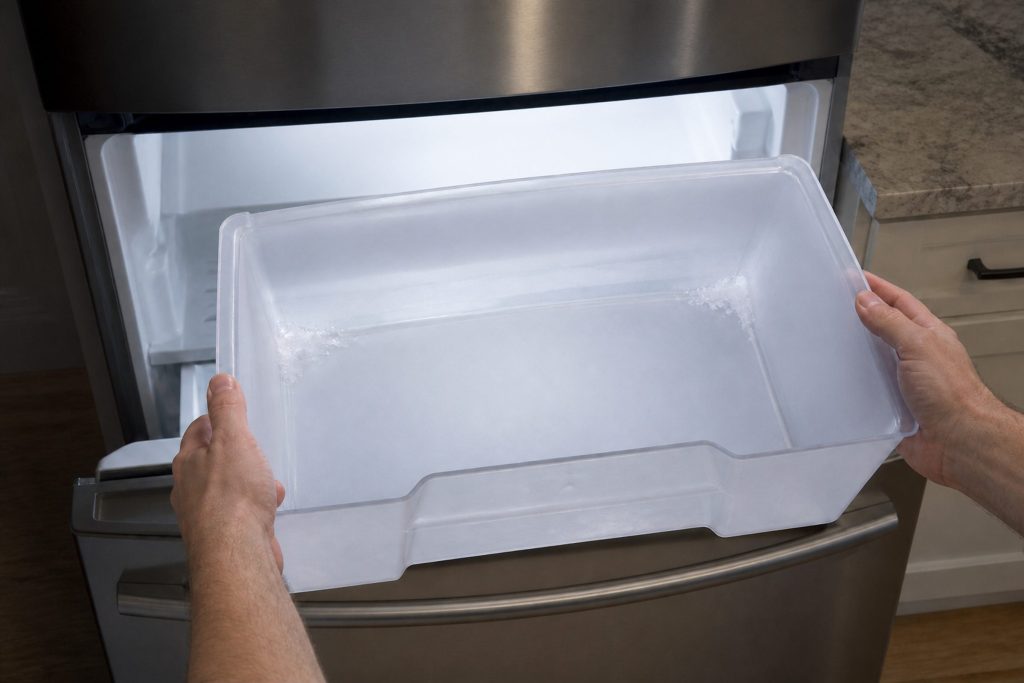
Small. Hollow. Sometimes barely formed at all.
:::
That is air in the line, not a failure. The cartridge and the plumbing around it were full of air, and it reaches the ice maker before the water does. Discard the first two batches, let the machine run a day, and judge it after that.
The other cause of small cubes after a change is a cartridge not fully seated, so water is bypassing it and the pressure at the fill valve is wrong. Worth pushing it home again before assuming anything else.
Generic cartridges, honestly
Plenty of them fit and some are perfectly good. What varies between them is flow rate, and that is the thing that matters for ice.
A cartridge that filters well but restricts flow more than the original produces exactly the small-cube and slow-ice complaints you were trying to solve. If a machine began making poor ice shortly after a cheap filter went in, that is the first thing to swap back — before anybody is called about the ice maker.
Where this fits in the ice diagnosis
If your machine is making no ice, slow ice or small ice, the order is:
- Filter — date, and whether it is genuinely seated.
- Shut-off valve — behind or under the machine, or beneath the sink. A valve half closed during some other work years ago produces this and nothing else.
- Freezer temperature — measured with a thermometer between packages. An ice maker harvests on temperature, so a compartment two degrees warm stretches every cycle.
- Fill valve, then the ice maker module. In that order, and only then.
:::
Three of those four are free, and the part people replace first is fourth on the list.
The honest limitation
Ice is the one repair nobody can prove inside an appointment, because a machine takes hours to fill a bin. What can be proved on the day is the fill and the harvest — and after that, you should be told exactly what to expect by the evening rather than being assured it is fixed at the door.
If it turns out to be a repair
What this leads to, and what it costs
Every job on this site is priced the same way: an on-site diagnostic first, the figure agreed in writing before anybody starts.
-
Empty bin, or slow, or small Ice maker not making ice
Four complaints that arrive as one: nothing at all, too slowly, cubes too small, or ice that tastes wrong. The first two things to check are the filter and the water pressure reaching the machine, not the ice maker.
- The bin is empty and stays empty
- Cubes have got smaller or hollow
- Production has slowed over weeks
-
from $165 Ice maker repair
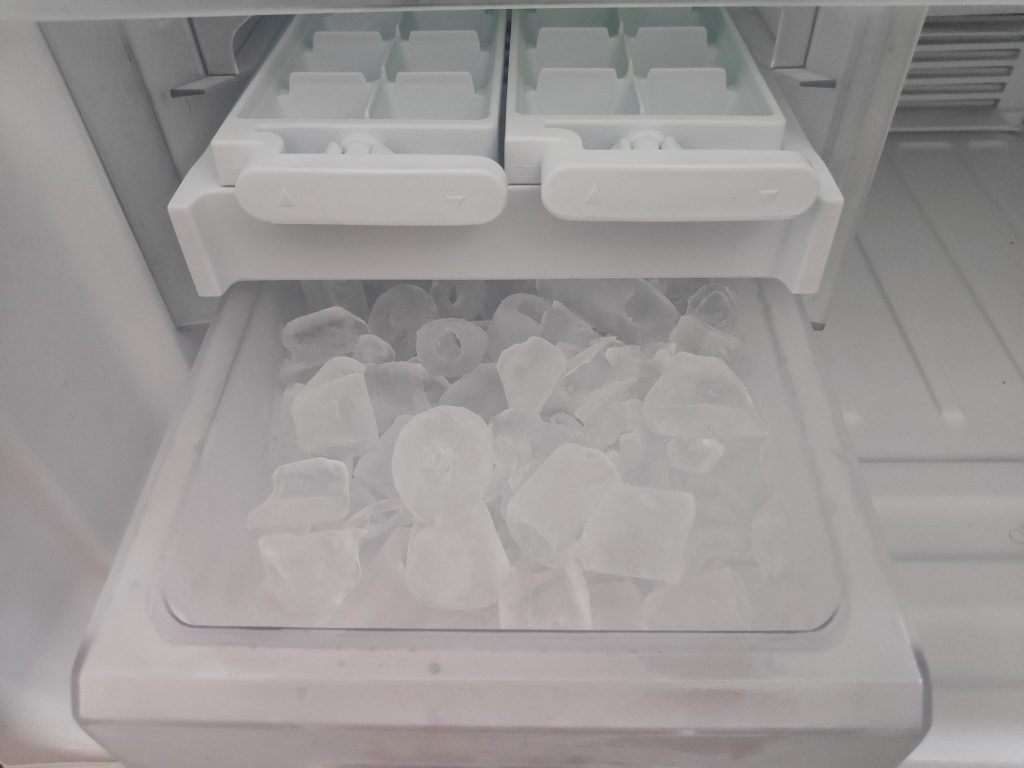
No ice, slow ice, cubes the wrong size, or ice that tastes of the refrigerator. Four complaints, four different repairs, and the first two things to check are the filter and the water pressure reaching the machine rather than the ice maker itself.
- Filter age and water pressure before the ice maker
- Fill valve and module tested separately
- Taste and odor traced to the supply, not deodorized
-
from $135 Appliance maintenance visit
The things this maker's own guides ask an owner to do, done properly and all at once: condensers, filters, seals, descaling, spray arms, ducts. Priced per visit rather than per appliance, which is what makes it worth doing on a kitchen where most of the machines come from one maker.
- Condenser and seals, which are the local weak points
- Steam ovens descaled, which nothing else here does
- One visit, several appliances, one travel charge
Questions people ask about this
Do I really need to change it if the water tastes fine?
Taste is the last thing to go, not the first. A cartridge works by flow through a carbon block, and as it loads up the flow drops before the taste does — which is why slow ice and small cubes usually arrive months before anybody notices the water. The interval exists because you cannot judge it by drinking it.
The light will not reset.
On most models it is a press and hold on the filter button for a few seconds rather than a quick press, and on some it is a combination of two buttons. If it still will not clear, check the cartridge is fully seated — several machines will not accept a reset until the housing reports a filter properly home, which is a sensible design and an annoying one.
The ice has gone small since I changed it.
That is air, and it is expected. A new cartridge and the plumbing around it hold air, which reaches the ice maker before the water does and gives small, hollow or partly formed cubes. Draw a couple of gallons through the dispenser, discard the next two batches of ice, and it settles.
Can I use a generic cartridge?
Physically many of them fit. What varies is the flow rate and the actual filtration, and a cartridge that restricts flow more than the original produces exactly the small-cube and slow-ice complaints you were trying to fix. If a machine started making poor ice shortly after a cheap filter went in, that is the first thing to change back.
What if I run it with no filter at all?
Most machines have a bypass plug for exactly that, and the water is then whatever your supply is. It will make ice perfectly well. What you lose is the filtration, and in a house where the ice picks up taste, that was doing something.
Is there a second filter?
On some machines, yes — an air filter inside the compartment as well as the water cartridge. They do different jobs and have different intervals: the water filter is about the ice and the dispenser, the air filter is about odor inside the cabinet. Neither replaces the other.
Maintenance & Prevention
More guides like this one
-
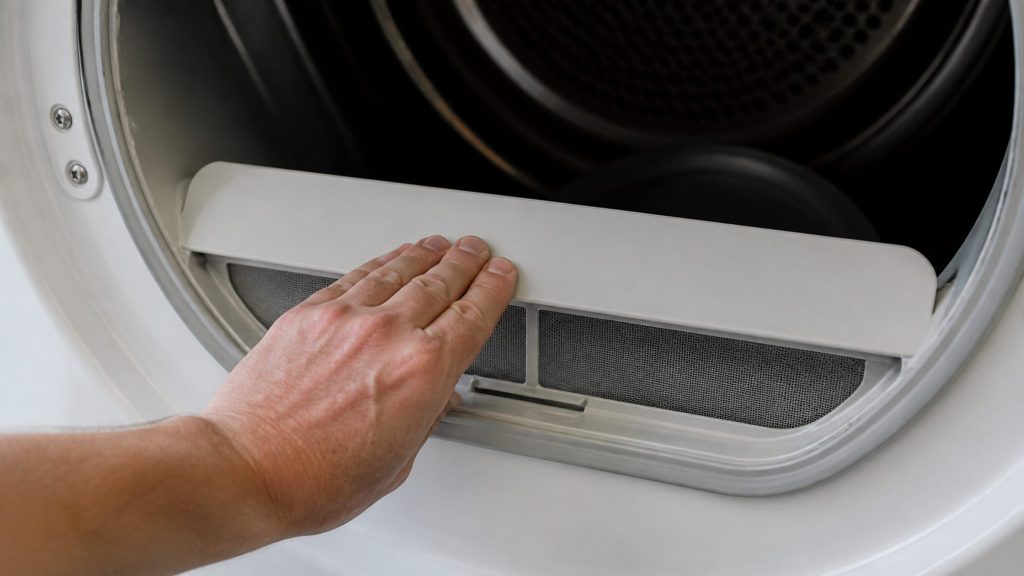
Dryer Maintenance for a Machine the Maker No Longer Sells Here
Fisher & Paykel lists no dryer for the United States today, and still sells laundry spare parts. That combination changes what maintenance is worth, and it is worth more.
Read more -
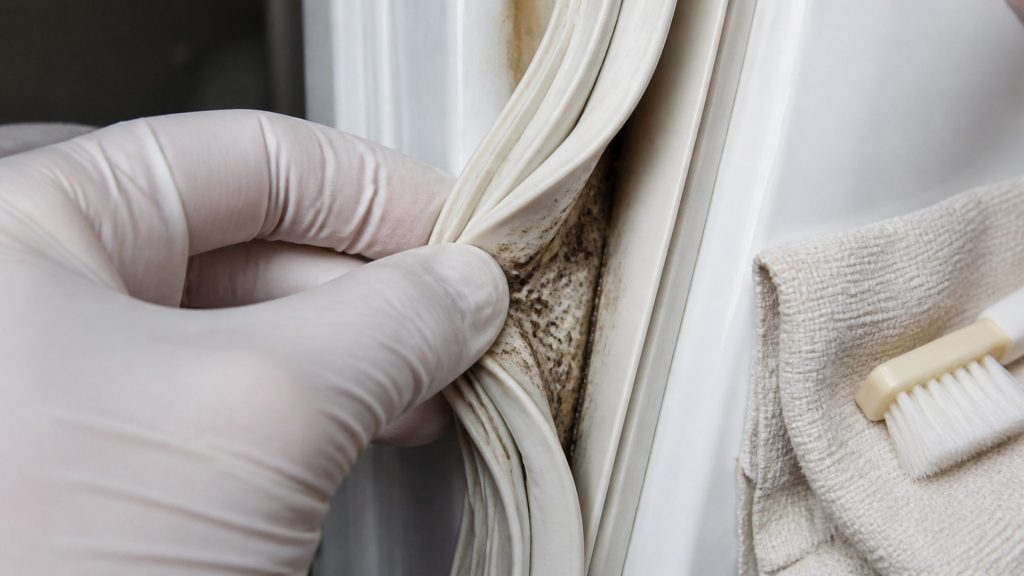
Cleaning and Reviving a Refrigerator Door Seal Before It Costs You a Compressor
A door seal is the cheapest preventive repair in the kitchen, and the one nobody thinks of as a repair at all. Four separate complaints trace back to it.
Read more -

The Refrigerator Drain Line: Where the Water on Your Floor Actually Comes From
Most refrigerator leaks are not leaks. A blocked defrost drain backs water up into the cabinet and out under the door — and clearing it is ten minutes with warm water and no part at all.
Read more
Tell us the model number and what it is doing.
This article is based on:
- Official manufacturer documentation
- Internal repair procedures
- Technician repair history
- Company quality standards