
Common Problems
Are Fisher & Paykel Appliances Any Good? What a Repair Company Sees
As machines, they hold up about as well as anything else in this price bracket, and the failures we see are ordinary ones — fans, sensors, seals, valves, boards — rather than anything exotic. Two things are genuinely different and both cut in the same direction. First, a very large share of this line is built in, so the part is frequently the same component you would find in a mass-market machine while the appointment is not: reaching it means a cabinet panel off and an appliance forward out of an opening cut for it. Second, the DishDrawer is unlike any other dishwasher in a domestic kitchen, which is an advantage in use and means you want a technician who has opened one before. The honest summary is that these are good appliances to own and slightly more expensive appliances to service, and the difference is access rather than fragility.
The full guide
Is Fisher and Paykel good? The answer a repair company can actually give
We are not a review site and we do not sell appliances. What we have is a different and narrower kind of evidence: what comes through the door, what gets replaced, what almost never does, and what people say about their machines when something has gone wrong with them.
That is a biased sample by definition — nobody calls us about an appliance that is working. But it is a sample nobody else has, and it answers a question a review published on the week of launch cannot: what is this equipment like to live with in year eight?
What actually fails
Ordinary things. Fans, temperature sensors, door seals, fill valves, drain pumps, control boards, lid mechanisms. There is no single component on this make that we brace for the way there are on some others, and there is no failure pattern here that makes us wince when we hear the brand on the phone.
What we do see, repeatedly, is the climate doing its work:
- condensers loaded with salt and dust in houses a few blocks from the water, which turns a healthy machine into one that runs continuously and never quite arrives;
- door seals that have taken a set in eight humid months a year, which quietly causes frost, drifting compartments and a compressor that never seems to stop;
- induction power boards in sealed islands with no ventilation cut into the cabinet, which shut a zone down every August with nothing broken;
- steam ovens that have never been descaled, where mineral coats a boiler and a level sensor until the machine behaves exactly like one with a failed pump.
Every one of those is about the kitchen as much as the appliance, and every one is cheaper to prevent than to repair.
The thing that genuinely costs more
Access. This maker builds a kitchen that is mostly built in: every freezer and every wine cabinet in the line is integrated, so are twenty-four of the fifty-one refrigeration models and twenty-two of the fifty-one dishwashers, and the ovens sit in tall housings cut to them.
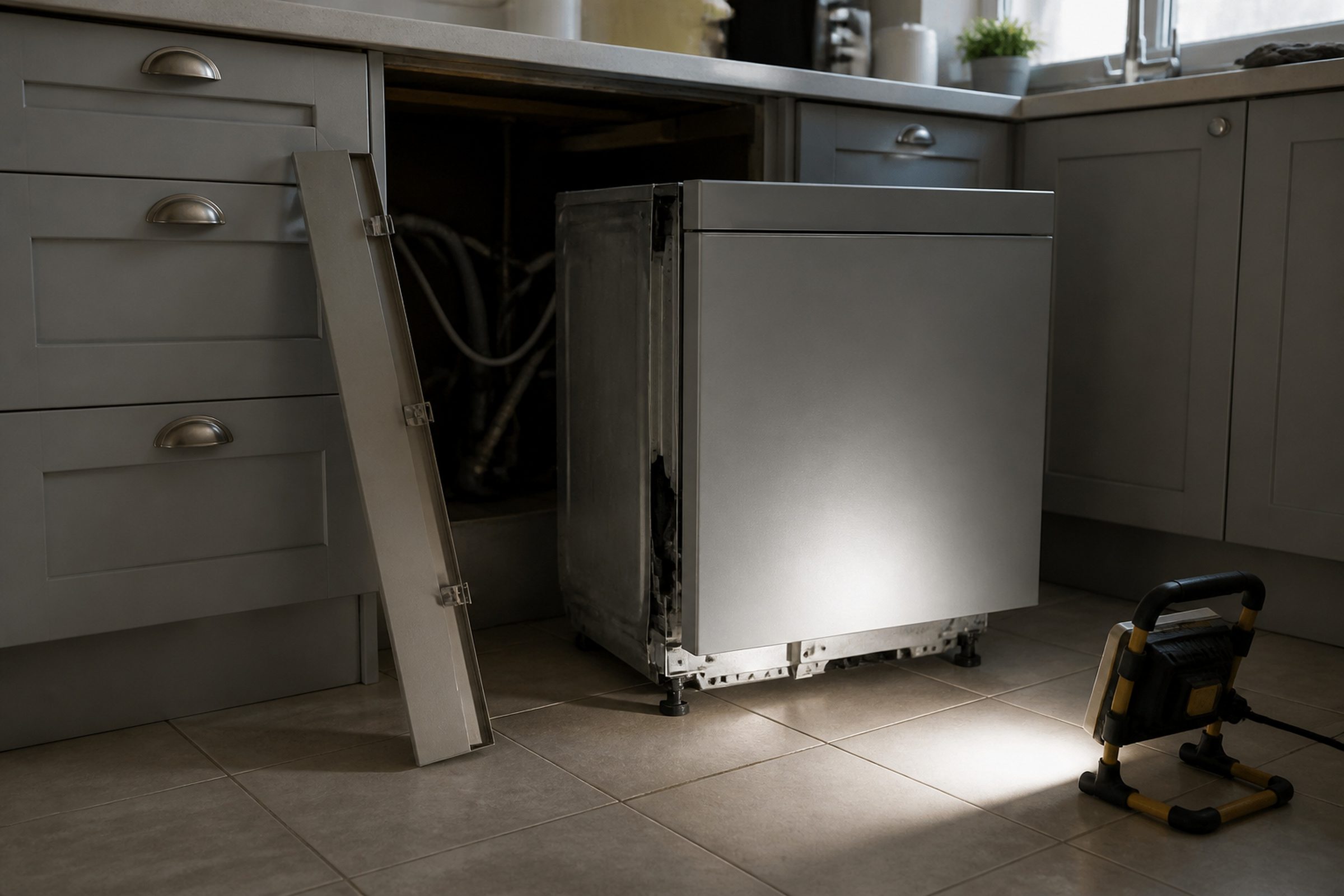
So a fan that costs eighty dollars can be most of an appointment, because the panel comes off, the appliance comes forward out of an opening it was fitted into, the water line and the electrical connection sit behind it, and it all goes back true.
That is not a mark against the machines and it is not a premium for the badge. It is arithmetic, and it is the single most useful thing to understand before reading any repair figure on this equipment.
:::
The DishDrawer, honestly
Forty of the fifty-one dishwashing machines here are drawers rather than doors. It is this maker's own invention and nothing else in a domestic kitchen works that way.
What is genuinely good about it. Two drawers means you are never without a dishwasher — one can be out of action while the other runs. Small loads do not waste a full cycle. The loading height is kinder to backs than a floor-level rack.
What is genuinely a trade. There is a lid motor, which no other dishwasher has, and a horizontal seal that collects what falls on it rather than shedding it. On a double there are two of everything, which means two things that can eventually need attention. And the pool of technicians who have opened one is smaller than for a conventional machine, which matters more than people expect when something goes wrong on a Friday.
What the maker is like to deal with
One observation that is relevant to owning these, and it is unusual enough to be worth stating.
Fisher & Paykel used to publish its error codes on a public support site. That site now redirects to a login page, and the knowledge base behind it is closed. What replaced it is a support base that publishes codes as families — "temperature sensor errors: F3, F4, F5" — rather than a meaning for each number.
That cuts both ways. It is less than a full table, and it stops anybody handing you a precise diagnosis over the phone. It is also more honest than several makes manage, because a family genuinely tells a technician which half of a machine to start in.
The practical consequence for an owner: write the code down before you clear it, and be suspicious of any list online that claims a specific meaning for every number on this make. It is not reading that off the manufacturer's own paper.
The laundry footnote
If you own a Fisher & Paykel washer or dryer, one fact matters more than any review: the maker no longer lists laundry for the United States. Its own support site publishes the category with no machines in it, while continuing to sell laundry spare parts and stacking kits.
The machines are repairable and the common wear parts are usually available. What is not available is a replacement of the same thing. That makes maintenance worth more on those two appliances than on anything else in the house.
The short version
Good machines, ordinary failures, above-average design, slightly above-average service cost — and the cost is access rather than fragility. If your kitchen is built in and you like the way it looks, that is a reasonable trade. If you want an appliance every technician in the county can work on this afternoon, this is not that appliance.
If it turns out to be a repair
What this leads to, and what it costs
Every job on this site is priced the same way: an on-site diagnostic first, the figure agreed in writing before anybody starts.
-
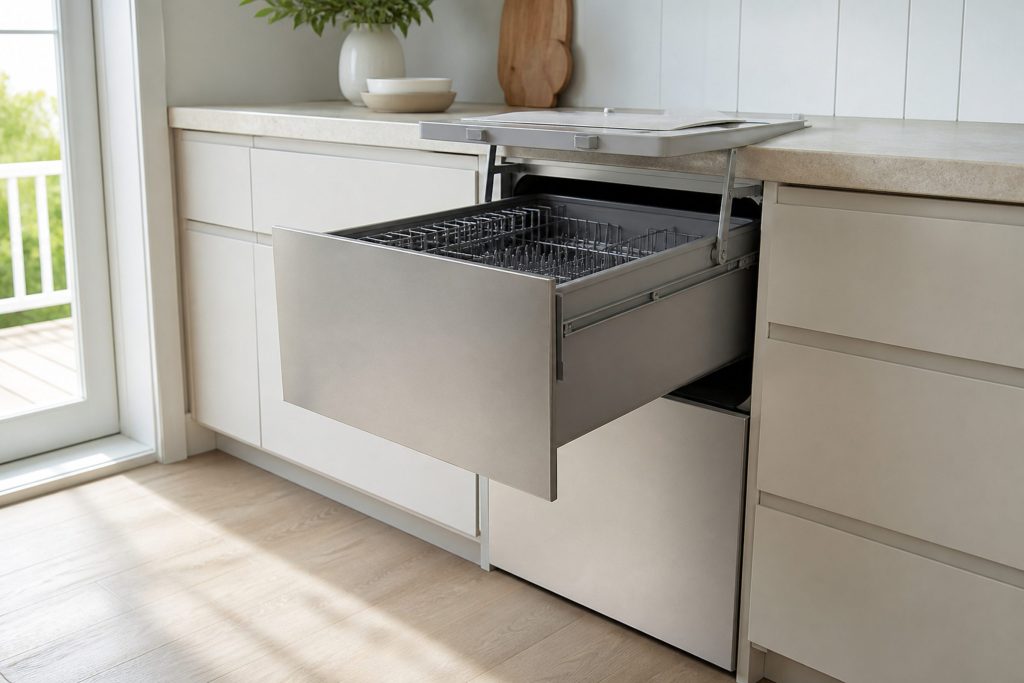
Single DishDrawer · Double DishDrawer · Tall · Drop door · Integrated · Series 5 · 7 · 9 · 11 · 24" Dishwashers and DishDrawers
Fifty-one machines, and forty of them are drawers. The DishDrawer is this maker's own invention and nothing else in a South Florida kitchen works the way it does: a lid that seals under motor pressure instead of a door, a wash system per drawer, and on a double, two machines that can run — and misbehave — independently of each other.
- Detergent still sitting in the dispenser at the end of a cycle
- A drawer that stops mid-cycle, beeps, and flashes its modifiers
- Water under the machine, or a drawer that will not drain
-
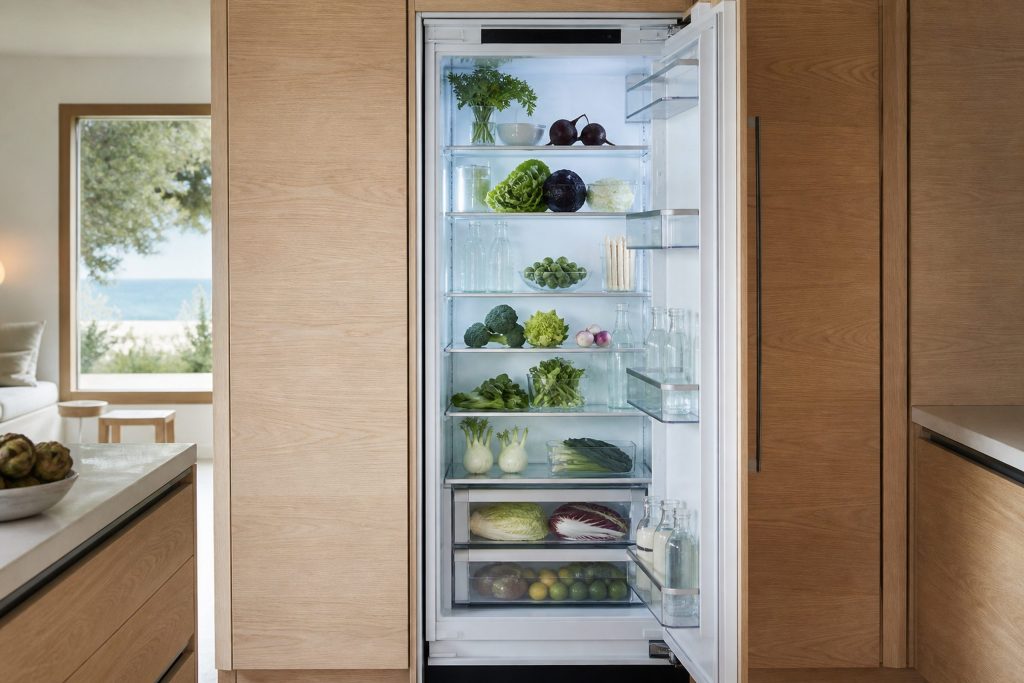
Integrated columns · French door · Quad door · CoolDrawer · Series 5 · 7 · 9 · 11 · 24" · 30" · 32" · 36" Refrigerators
Fifty-one machines in the current line, and twenty-four of them are Integrated — built into the cabinetry behind your own door panels rather than standing in an opening. Columns that pair a refrigerator with a freezer beside it, French door and quad door machines that stand on the floor, and the CoolDrawer, a drawer that can be run as anything from a freezer to a chiller.
- A fresh-food side going warm while the freezer stays cold
- An ice maker that has slowed down or stopped
- A door that no longer sits square, or a seal that has gone warm to the touch
-
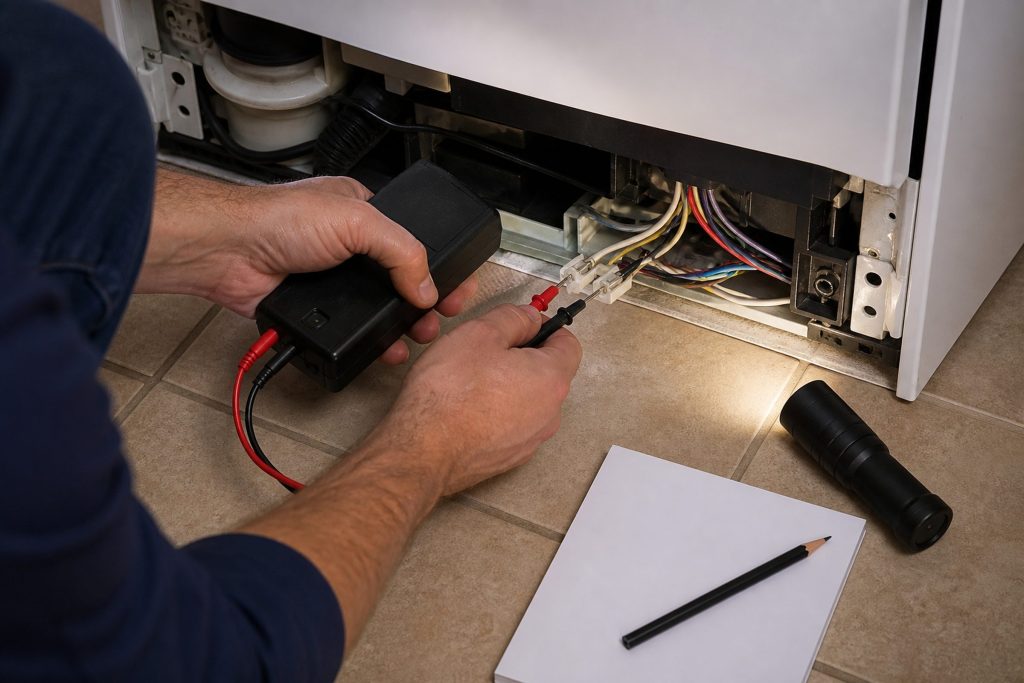
from $95 Diagnostic visit cost
What the first visit costs, why it is the only honest way to price a repair on this equipment, and why it comes off the bill. It is the company rate rather than anything to do with the badge — a cooktop and a wall oven cost the same to diagnose.
- Researched market range for South Florida: service calls $59–$129
- Credited toward the repair when you go ahead
- A second appliance on the same visit costs less than a second visit
Questions people ask about this
Are they reliable?
In our experience they are unremarkable in the best sense: the things that fail are the things that fail on any appliance of this kind, at broadly the same rate, and there is no single component we brace for on these the way there are on some makes. What we do see is the consequence of the climate — condensers loaded with salt and dust, seals that have taken a set in humidity, induction boards in sealed islands — and those are as much about the kitchen as about the machine.
Is the DishDrawer worth having?
For most households that ask, yes. Two drawers means you are never without a dishwasher, small loads do not waste a full cycle, and the loading height suits people who would rather not bend. The cost is a mechanism no other dishwasher has and a technician pool that is smaller because of it. It is a genuine trade rather than a marketing point either way.
Are parts expensive?
The components themselves are in line with the rest of the premium market. The part that has no comparison is the lid mechanism on a DishDrawer, because nothing else in a kitchen has one — there is no aggregator figure for it and it is priced on labor plus an assembly. Everything else is broadly what you would expect.
What about the laundry?
That is the one place where the answer changes. Fisher & Paykel no longer lists a washer or a dryer for the United States, while continuing to sell laundry spare parts and stacking kits. The machines are perfectly repairable and common wear parts are usually available; model-specific electronics are the risk. If you own one, keep it maintained, because replacing it with the same thing is not an option.
Would you buy one?
That is not really our call, and a repair company that answers it is selling something. What we can tell you is what to weigh: if the kitchen is integrated and the design matters to you, this maker does that better than most and the repair premium is real but modest. If you want an appliance that any technician in the county can work on this afternoon, a more common make is the easier life.
How long do they last?
The same as most of this class — a well-maintained machine in a normal household gives you well over a decade, and the things that shorten it here are local rather than intrinsic: a condenser nobody has ever cleaned, a steam oven never descaled, a dryer duct that has not been cleared. All three are cheap to prevent and expensive to ignore.
Common Problems
More guides like this one
-
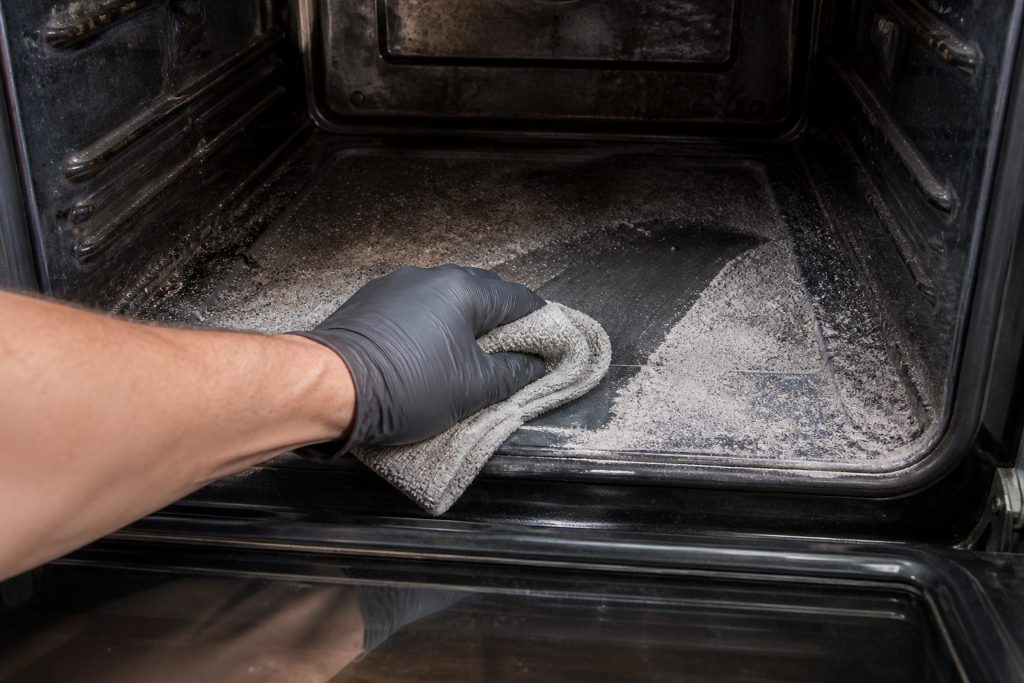
Why Is My Oven Door Locked? A2, A3, and Two Hours of Patience
The lock is a thermometer, not a timer. It releases when the cavity is genuinely cool, and the single most expensive mistake available is pulling on the door before it does.
Read more -
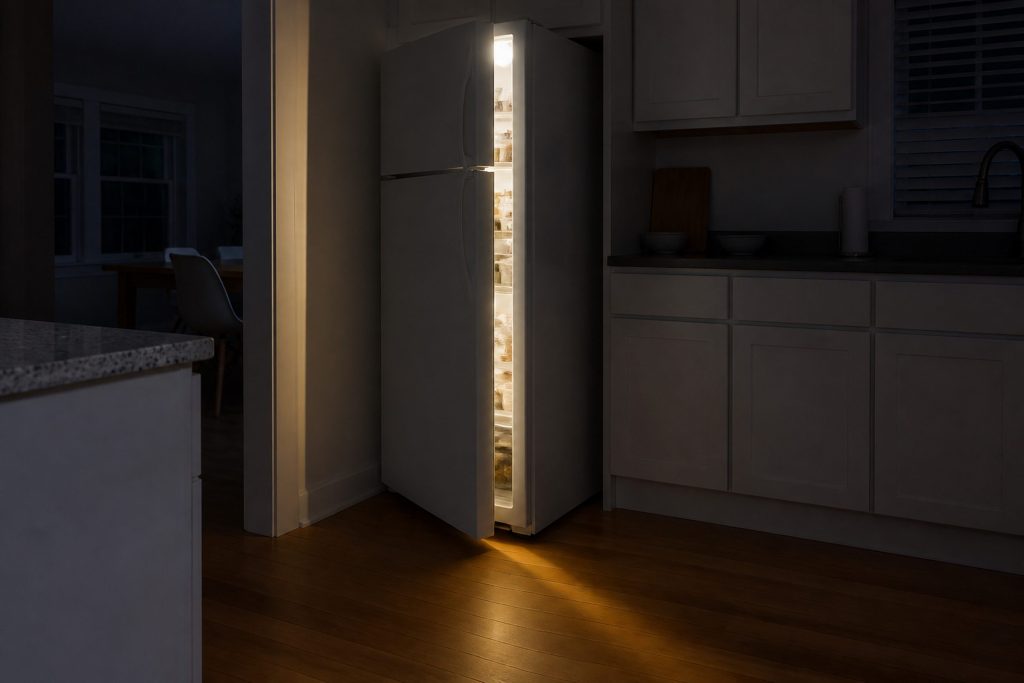
Your Fisher & Paykel Refrigerator Is Beeping: Count Before You Clear It
There is no error number on the display, because on much of this line there is no display. The machine counts beeps and flashes an LED instead — and the count is the code.
Read more -
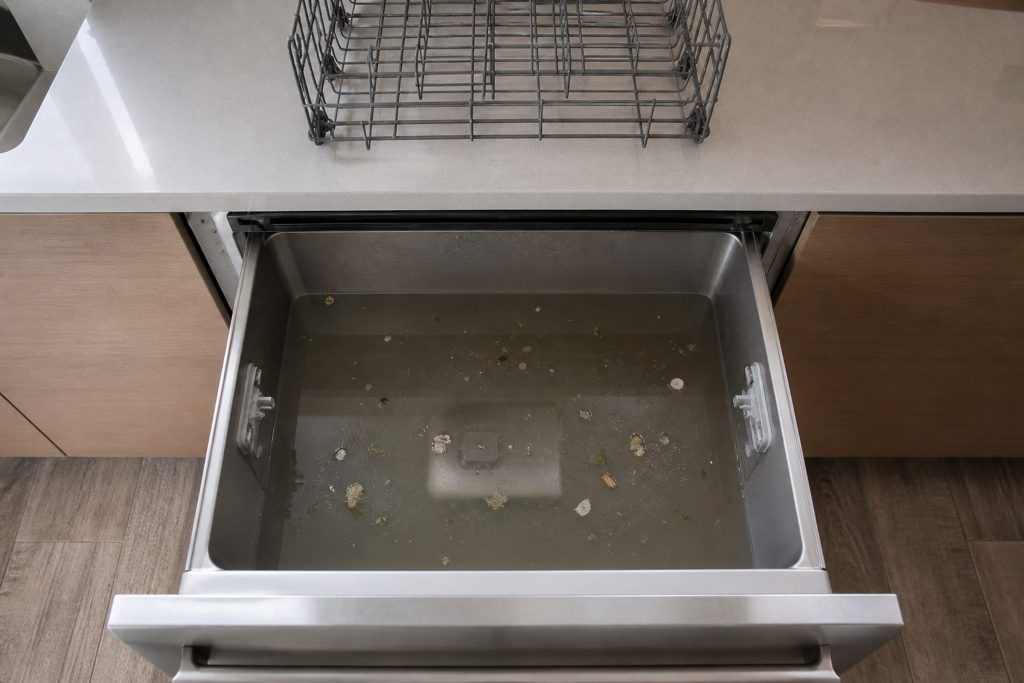
DishDrawer Will Not Drain: the Filter, the Hose and the A3 Code
The maker publishes both the code and the order to work through it, and the first two things on its list cost nothing. Most of these end before anybody is called out.
Read more
Tell us the model number and what it is doing.
This article is based on:
- Official manufacturer documentation
- Internal repair procedures
- Technician repair history
- Company quality standards