Safety & Risks
Grease Fire on a Cooktop: the Thirty Seconds That Decide It
Cover it and starve it. Slide a metal lid or a baking sheet over the pan — slide, do not drop, so the movement does not push burning oil out — and leave it there. Turn the heat off. Do not move the pan; carrying a burning pan to a sink or a door is how a contained fire becomes a house fire. Never water: water hitting burning oil flashes to steam instantly and throws the oil into the air as a fireball. If a lid does not work, a dry chemical extinguisher aimed at the base of the flames does, and baking soda in quantity can smother a small one, though flour never will. Then leave the lid on until the pan is completely cold, which takes far longer than it feels like — many second fires start when somebody looks too early. If the fire is not out in the first thirty seconds, or it has reached anything beyond the pan, get everyone out and call the fire department.
The full guide
Grease fire on stove what to do, in order
If this is happening now, four actions and nothing else:
- Slide a metal lid or a baking sheet over the pan. Slide it across rather than dropping it in — dropping pushes burning oil over the edge.
- Turn the heat off. The control, or the burner knob. Do not reach across the flames to do it.
- Do not move the pan. Not to the sink, not to the door, not outside. A contained fire in a pan becomes an uncontained one the moment it is carried.
- Leave the lid on until the pan is completely cold.
If it is not out within about thirty seconds, or it has reached the extractor, the cabinets or anything else, get everyone out and call the fire department. A kitchen is replaceable.
Never water
This is the one thing worth understanding rather than just remembering, because understanding it stops the instinct.
Burning cooking oil is at several hundred degrees — far above the boiling point of water. Water poured onto it does not cool it; it flashes to steam instantly, expanding hundreds of times, and it does that *underneath* the oil. The result is burning oil thrown upward and outward as a cloud of fire.
That is the fireball in every video of this, and it is created by somebody trying to help.
The same applies to a wet cloth, which is not the same thing as a damp one and behaves like water.
Turn the ventilation off, not on
The instinct is smoke, therefore extractor. It is the wrong instinct.
An extractor feeds a fire with moving air, and it pulls flames and burning grease into a duct or a filter that already has years of grease in it. That is how a pan fire becomes a fire inside the ventilation.
On a downdraft this is worse rather than better, because the airflow crosses the cooking surface by design — a downdraft pulling hard over a burning pan is drawing the fire sideways rather than up.
Off. Both of them.
How long is long enough
Longer than it feels like. A heavy pan of oil holds enough heat to reignite the moment air reaches it again, and a great many second fires start because somebody lifted the lid after two minutes to check.
Twenty minutes, minimum, and only when the pan is cold to the touch on the outside. Leave the kitchen ventilated by opening a window if that is safe — but leave the pan alone.
The prevention that actually works
- Do not leave a pan of oil unattended. It is the whole of the advice and it is the whole of the cause in most cases.
- Know where the lid is before you start frying. A lid you have to look for is a lid you will not find.
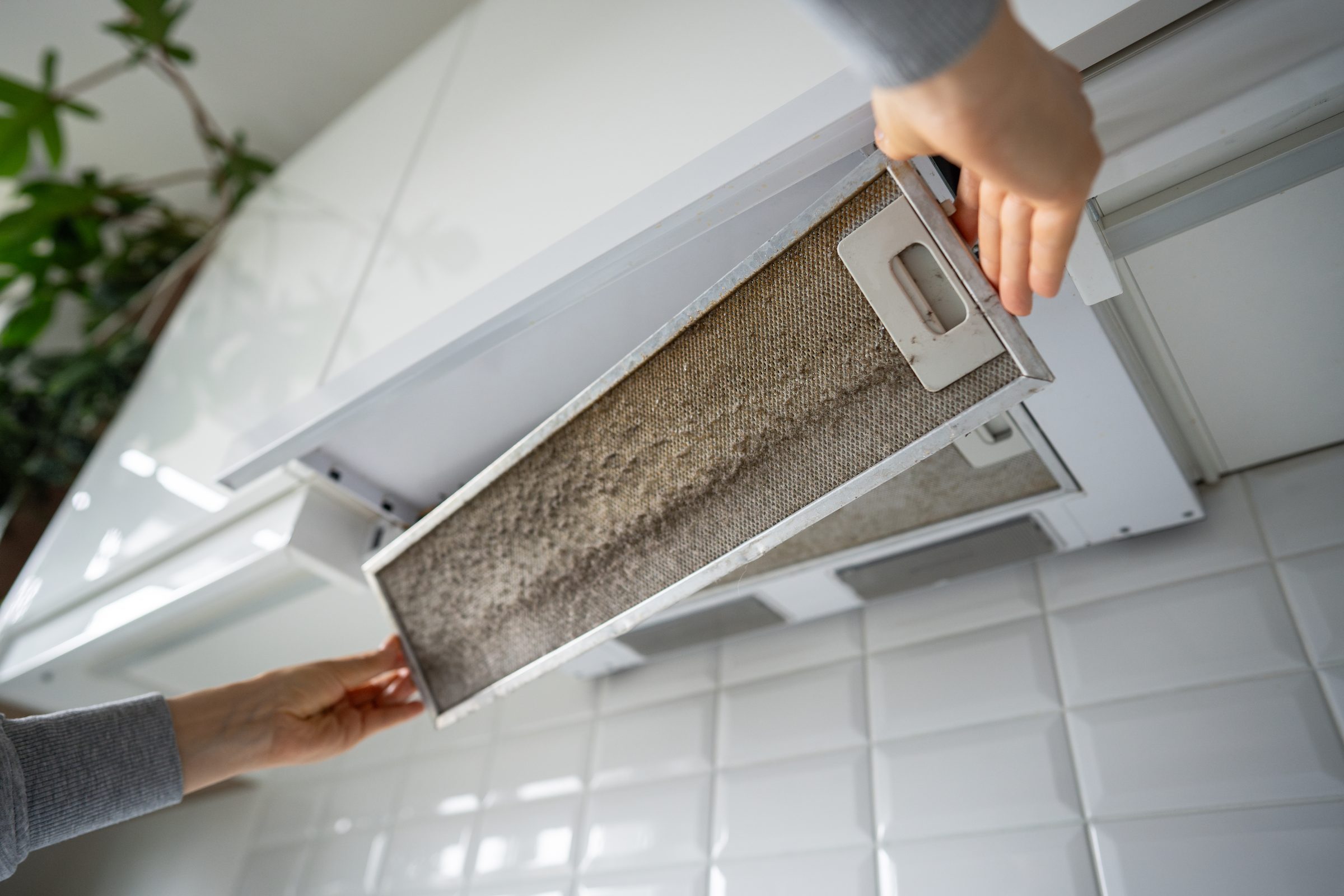
- Keep the hood filters clean. A metal mesh grease filter is dishwasher-safe and lasts the life of the appliance; a saturated one is fuel sitting directly above the flame.
- Watch the oil rather than the clock. Oil that has begun to shimmer and smoke steadily is close to its ignition point, and the smoke is the warning.
:::
Afterwards, before you cook again
A grease fire puts extreme, uneven heat into a surface designed for even heat. On a glass cooktop that is exactly how a crack starts, and a cracked cooking surface is a safety matter rather than a cosmetic one. Burnt residue also gets into burner ports and around ignition electrodes, which is why a range that survived a fire often will not light properly afterwards.
It is worth having somebody look before the next dinner rather than after it.
If it turns out to be a repair
What this leads to, and what it costs
Every job on this site is priced the same way: an on-site diagnostic first, the figure agreed in writing before anybody starts.
-
from $155 Range burner & ignition repair
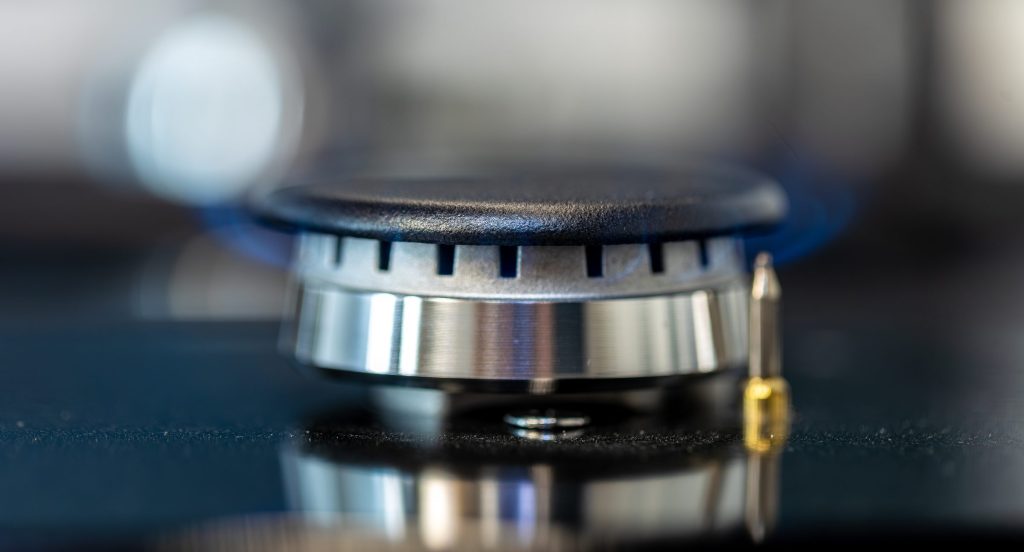
A burner that clicks and will not light, lights and drops out, or holds on high and dies at simmer. Three complaints, three different answers — and on this maker the low-setting one is the article its own owners link most, which tells you where these machines actually fail.
- Spark, gas and flame sensing told apart before anything is ordered
- Caps and ports checked first — the commonest cause by a distance
- Thermocouples tested at a low flame, where they actually fail
-
Induction · SmartZone · Gas · Rangetops · Teppanyaki · Electric · 12" · 24" · 30" · 36" · 48" Cooktops and rangetops
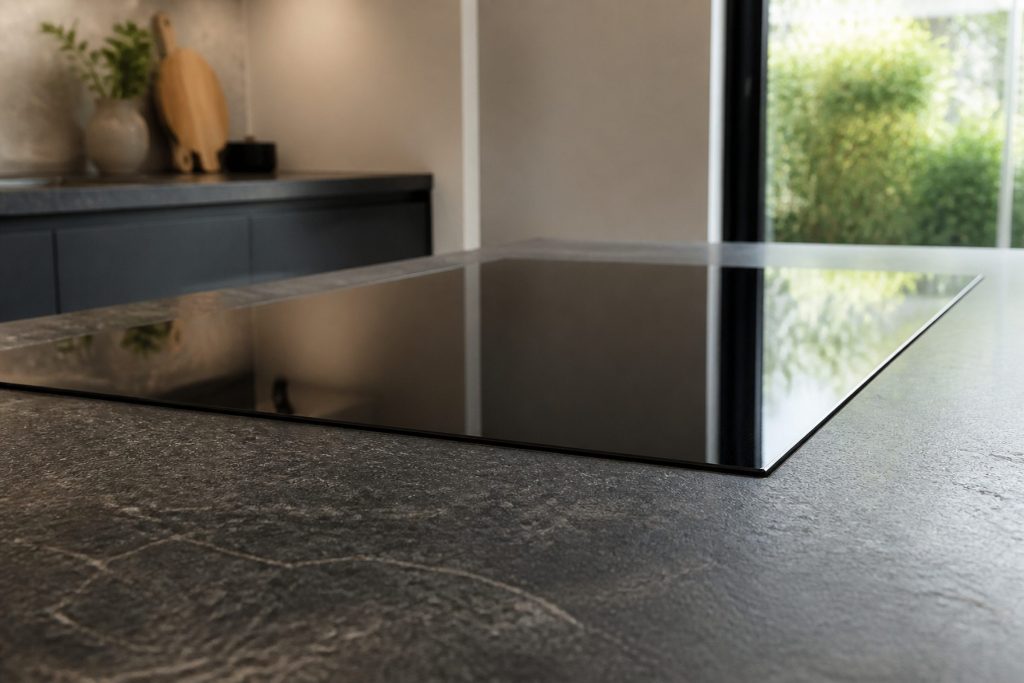
Forty-six machines and four different technologies under one word: seventeen induction cooktops, thirteen sealed gas, eleven professional rangetops, three electric and two teppanyaki plates. A rangetop is the top half of a professional range with nothing underneath it — the same grates, the same burners, the same repair — which is why it is on this page rather than a page of its own.
- One induction zone cutting out while the rest keep going
- Ignitors clicking without the burner lighting
- Touch controls that stop responding, or dials that have become hard to turn
-
from $135 Appliance maintenance visit
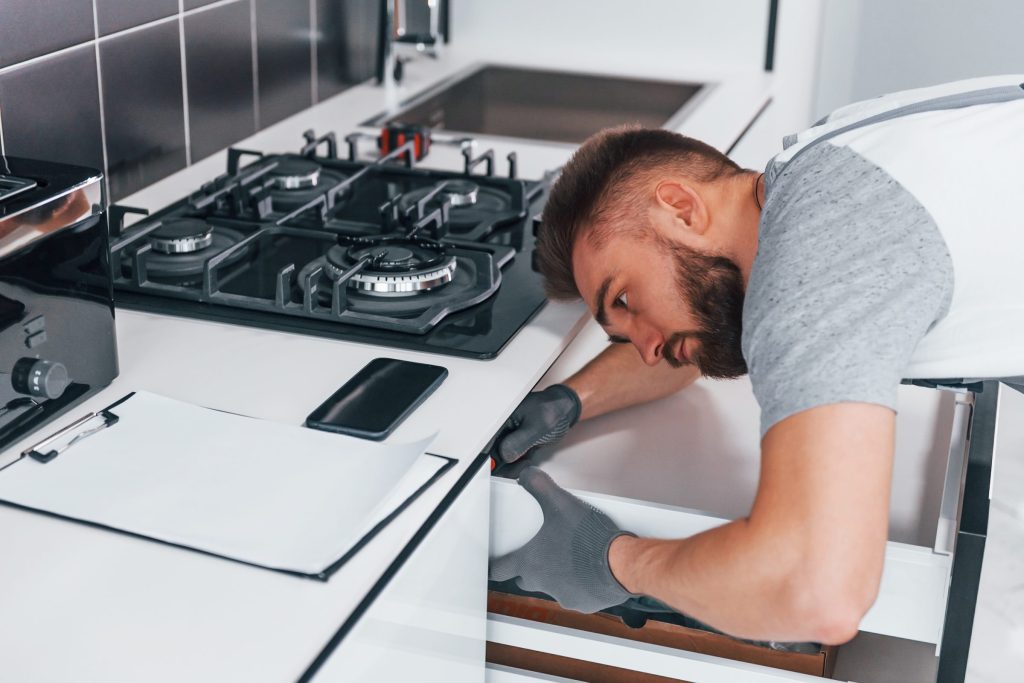
The things this maker's own guides ask an owner to do, done properly and all at once: condensers, filters, seals, descaling, spray arms, ducts. Priced per visit rather than per appliance, which is what makes it worth doing on a kitchen where most of the machines come from one maker.
- Condenser and seals, which are the local weak points
- Steam ovens descaled, which nothing else here does
- One visit, several appliances, one travel charge

Questions people ask about this
Why does water make it worse?
Burning oil is far above the boiling point of water. Water hitting it flashes to steam in an instant and expands hundreds of times, and it does that underneath the oil — which throws the burning oil upward and outward as a cloud. That is the fireball people have seen in videos, and it is created by the attempt to help.
Can I use baking soda?
In quantity, on a small fire, yes — it releases carbon dioxide and smothers. A small sprinkle does nothing, so it needs to be a lot, poured rather than shaken. Flour is not a substitute and is actively dangerous: fine flour suspended over a flame can ignite.
Should I turn the extractor on?
No. It is the instinct — smoke, so extract it — and it feeds the fire with moving air and pulls flames and grease into a duct or a filter that already has grease in it. Turn the ventilation off. On a downdraft this matters even more, because the airflow crosses the cooking surface by design.
How long do I leave the lid on?
Until the pan is completely cold to the touch, which is much longer than it feels like — twenty minutes or more for a heavy pan of oil. Oil above its ignition temperature reignites the moment air reaches it, and a large share of second fires happen because somebody lifted the lid to check.
Do I need a fire extinguisher in the kitchen?
A small dry chemical extinguisher rated for cooking fires is a sensible thing to own and to know the location of before you need it. Aim at the base of the flames, not into the pan from above, which can splash. What it is not is a substitute for the lid, which is faster and makes no mess.
The fire is out. Can I use the cooktop?
Not until somebody has looked at it. A grease fire puts extreme, uneven heat into a surface that was not designed for it, and on a glass cooktop that is exactly how cracks start. Burnt residue also finds its way into burner ports and around electrodes. It is worth a visit before the next dinner, not after.
Safety & Risks
More guides like this one
-
Refrigerant Leak in a Refrigerator: the Signs, the Real Risk, and the Right Response
A sealed system is sealed. If it is short of refrigerant it leaked, and topping it up sends the same amount out of the same hole. Here is what a leak actually looks like from the kitchen.
Read more -
Mold in the Refrigerator Drip Pan: Where It Grows and How to Clear It
Everybody cleans the shelves. Almost nobody cleans the pan under the machine or the drain line into it — which in eight humid months a year is where the smell actually comes from.
Read more -
Gas Smell From the Oven: What Is Normal, What Is Not, and What to Do First
Two situations wear the same description and they need opposite responses. Which one you have is decided by a single question: is the appliance running?
Read more
Tell us the model number and what it is doing.
This article is based on:
- Official manufacturer documentation
- Internal repair procedures
- Technician repair history
- Company quality standards