Service
Fisher & Paykel range burner & ignition repair
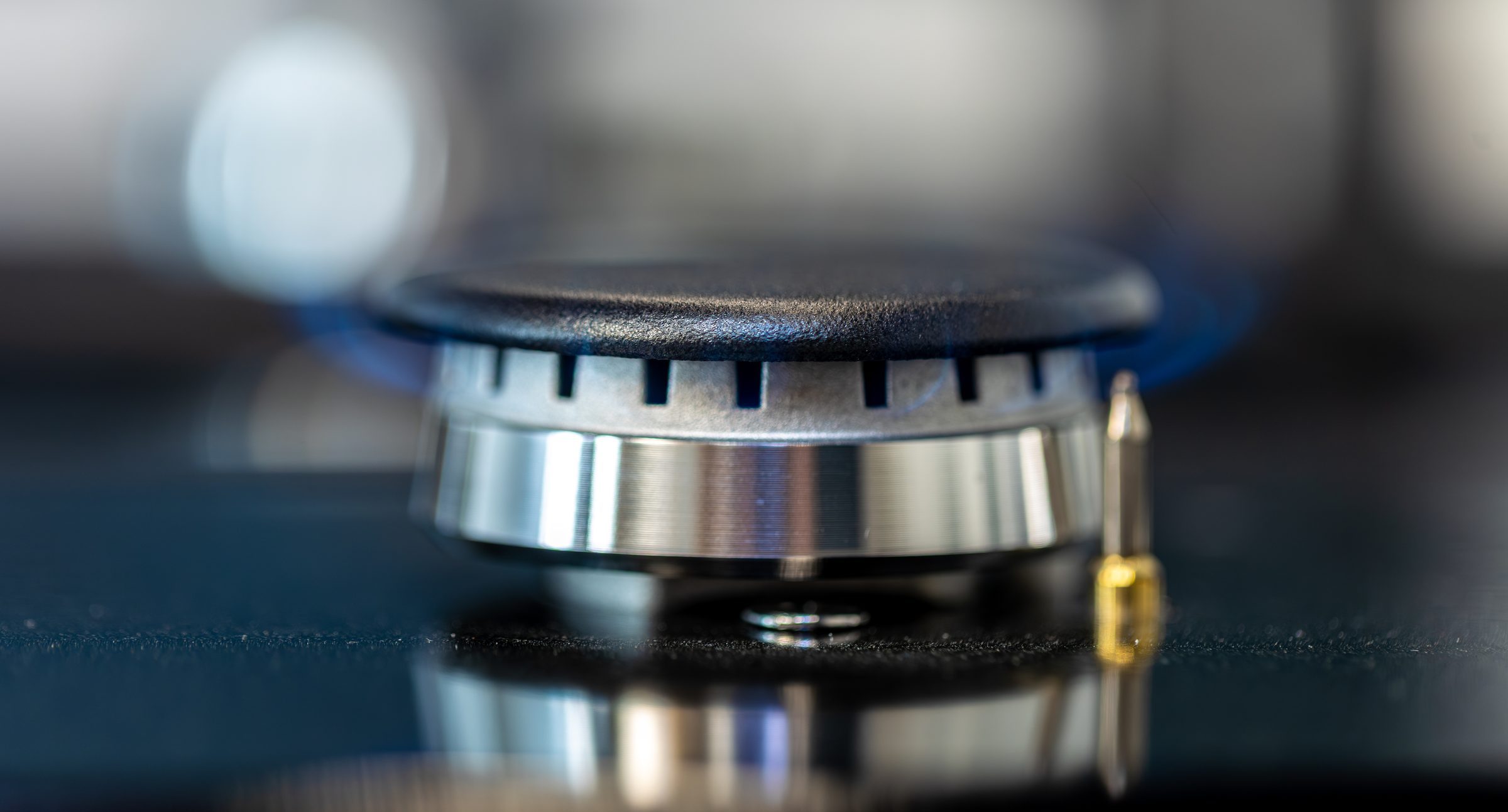
A burner that clicks and will not light, lights and drops out, or holds on high and dies at simmer. Three complaints, three different answers — and on this maker the low-setting one is the article its own owners link most, which tells you where these machines actually fail.
- From $95 diagnostic, credited to the repair
- 59 cities and neighborhoods covered
- OEM parts available on order
- In writing the price, before anything is opened
Before you read on
What this job costs and how it is agreed
A starting figure, not a quote. What moves it is the model, how the unit is built in and which part it needs — settled after the on-site diagnostic.
Starts at
from $155
After a diagnostic from $95, which comes off the bill when you go ahead.
or call (305) 902-4477
Diagnostic
From $95, credited to the repair
The price
In writing, before anything is opened
Warranty
On the labor we performed
On the visit
How this visit actually goes
The same order every time, so nothing is opened and nothing is charged before you have seen the figure and said yes.
-
01
Which of the three complaints
No spark at all, spark without flame, and flame that will not hold are three separate searches. A caller who says "the burner does not work" has narrowed nothing; one who says which of these it is has done half the diagnosis for free.
-
02
Caps, crowns and ports
The first thing looked at and the commonest thing found. A cap sitting a fraction out of place after cleaning, ports blocked by a boil-over, or moisture in a burner after a wash will all produce a burner that clicks and will not light. None of them is a part.
-
03
The ignition side
Sparking on every burner while one will not light says the ignition module is fine. No spark anywhere is a module or its supply. One burner not sparking is that electrode or its lead.
-
04
Flame sensing, at a low flame
A thermocouple that holds a big flame open and drops a small one is the classic version of "it goes out on simmer", and it only shows itself at the setting where it fails. Testing it on high proves nothing.
-
05
Prove every burner before leaving
All of them, high and low, because a range with one burner repaired and another about to do the same thing is a second call nobody wanted.
The money
What this usually costs in South Florida
The starting figure, the range the market quotes around it, and what pushes a job to either end.
-
Range burner & ignition repair cost
Ignitors, caps, ports, valves and thermocouples across gas ranges, cooktops and professional rangetops. Set at the low end because the commonest version of this call is a burner that was cleaned and reassembled wrong.
- Researched market range for South Florida: burner and ignition work $150–$380
- Caps and ports checked first — the commonest finding
- Every burner proved before we leave
Applies to
The Fisher & Paykel units we carry this work out on
-
Professional gas · Dual fuel · Induction · Classic · 4 · 5 · 6 · 8 burner · Griddle · 30" · 36" · 48" Fisher & Paykel range repair in Miami
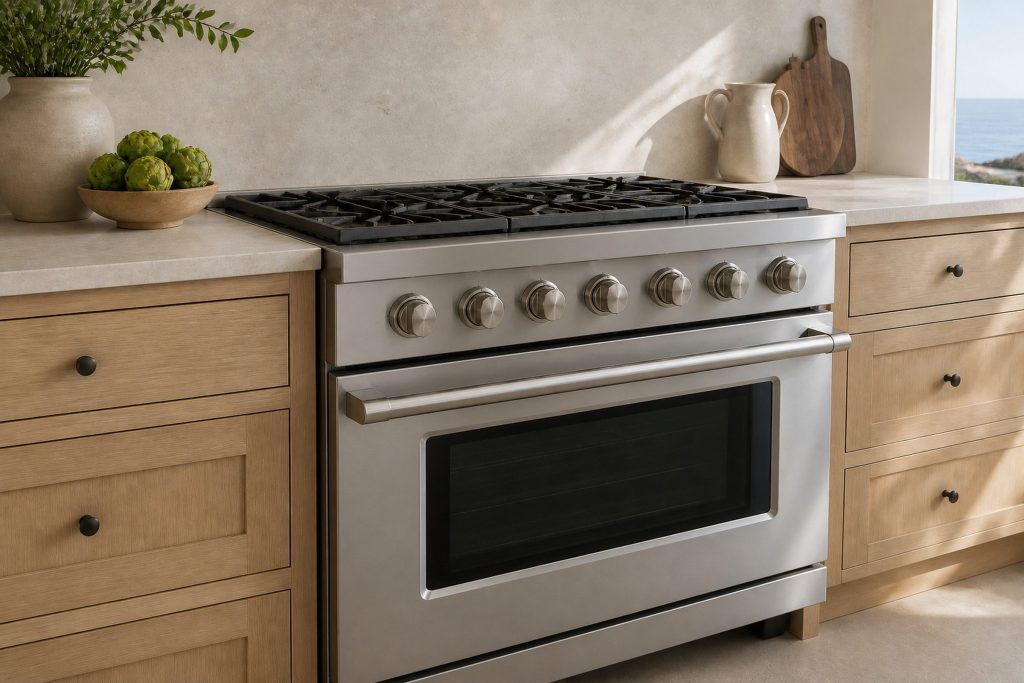
Forty-one freestanding ranges, and the split tells you what this maker is: sixteen dual fuel, fifteen gas, seven induction and one electric. Twenty-seven of them are Professional — heavy grates, dual-flow burners, four to eight of them, and on the larger machines a griddle let into the top. On a 48-inch range, "the oven is not heating" means one of two ovens, and which one narrows the part before anybody drives anywhere.
- A burner that will not light, or lights and drops out at low setting
- The oven running hot or cold while looking perfectly healthy
- An induction zone that cuts out under load while the others carry on
-
Induction · SmartZone · Gas · Rangetops · Teppanyaki · Electric · 12" · 24" · 30" · 36" · 48" Fisher & Paykel cooktop repair in Miami
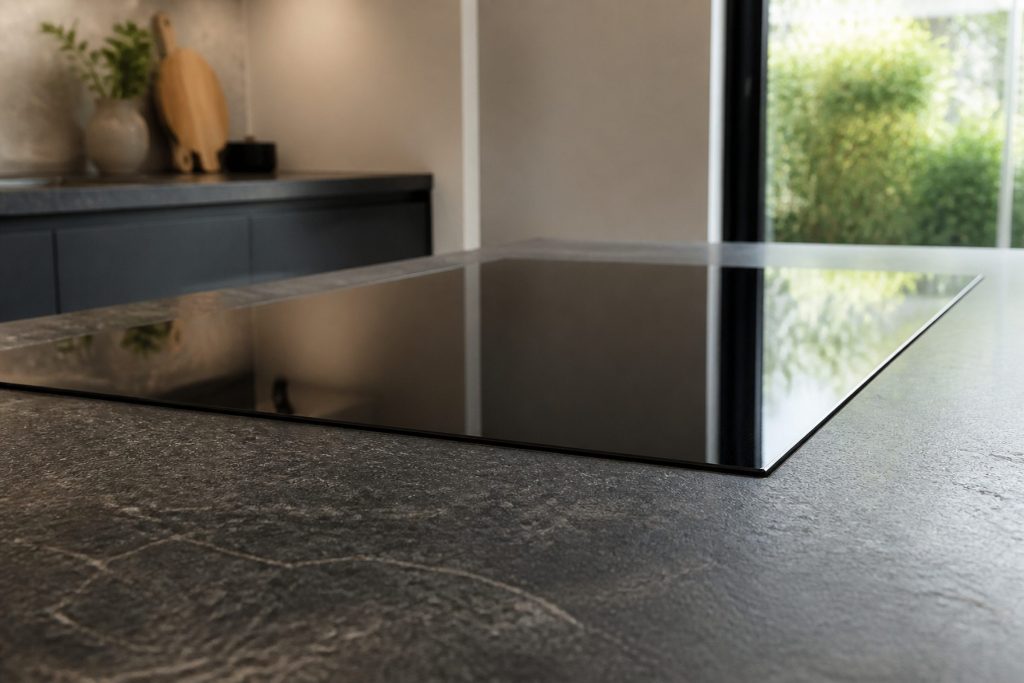
Forty-six machines and four different technologies under one word: seventeen induction cooktops, thirteen sealed gas, eleven professional rangetops, three electric and two teppanyaki plates. A rangetop is the top half of a professional range with nothing underneath it — the same grates, the same burners, the same repair — which is why it is on this page rather than a page of its own.
- One induction zone cutting out while the rest keep going
- Ignitors clicking without the burner lighting
- Touch controls that stop responding, or dials that have become hard to turn
In more detail
About Fisher & Paykel range burner & ignition repair
Three complaints that sound like one
- No spark — the ignition module, an electrode or its lead
- Spark but no flame — caps and ports first, then gas delivery
- Lights and drops out — flame sensing, and it shows itself at the low setting
Why the visit starts with a cap
Because that is where these end more often than anywhere else. A burner cap that was lifted for cleaning and put back a fraction proud will click without lighting every time, and the fix costs nothing. A shop that reaches for an ignition module first is not looking.
Fifteen gas ranges and thirteen gas cooktops
This maker lists fifteen gas and sixteen dual-fuel ranges, plus thirteen gas cooktops and eleven professional rangetops, in natural gas and LPG versions. The burners and the ignition are shared across them, which is why one page covers the burner side of all four.
This article is based on:
- Official manufacturer documentation
- Internal repair procedures
- Technician repair history
- Company quality standards
Before you book
Questions about Fisher & Paykel range burner & ignition repair
The flame goes out when I turn it down.
This is the most-linked freestanding cooker article the maker publishes, so you are in good company. It is nearly always the burner rather than the gas supply: a cap seated wrong, ports blocked around the low-flame side, or a flame-sensing thermocouple that no longer holds the valve open at a small flame. Take the cap off cold, check it sits square, and clear the ports. If a clean, correctly seated burner still will not simmer, the sensing side is the repair.
It clicks after it has already lit.
Usually not broken. These burners watch for a flame and will spark again if they think it has gone — a pot boiling over, a draft from an open slider, or a cap a fraction out of place will all trigger it. Take the pot off, let the burner cool, lift the cap and reseat it. If it still clicks with a clean, dry, correctly seated cap and a steady flame, the sensing side needs looking at rather than the ignition side.
The flames are yellow.
The maker publishes an article on it, and it is worth taking seriously rather than ignoring: yellow tipping is combustion, which means air, gas type or a blocked port. It can also mean a burner set up for the wrong gas — worth checking on a machine that was moved, or converted between natural gas and LPG. A little yellow at the very tip on a new appliance can be normal; a yellow, lazy, sooting flame is not.
None of the burners light and there is no power cut.
On a gas machine with electric ignition, that is usually electrical rather than gas: a tripped breaker, an unplugged range after a cleaning, or the ignition module. Worth knowing: the maker publishes how to light these by hand during a power outage, and a range that lights by hand but not electrically has just told you where the problem is.
Where we do it
Across Miami-Dade, Broward, and Palm Beach
Same terms everywhere we go: an on-site diagnostic first, the price agreed in writing, and the exact figure confirmed once we have seen the unit.
Neighborhoods people ask for by name