Troubleshooting
Freezer Leaking Water: Ice on the Floor, and the Drain Nobody Looks At
Read the ice before you mop the water. Ice on the back wall, in a sheet or a growing pad, is the defrost side — a heater, its sensor, or the control that runs the cycle — and the water on your floor is melt that had nowhere to go. Ice around the drawers or along the door frame is a seal or a door that is not closing, letting warm humid air in to condense and freeze on the first cold thing it meets. Ice around the ice maker, or water appearing only after it cycles, is the fill valve or its connection. And a thin sheet of ice in the bottom under the drawers, with water sometimes running out at the front, is the defrost drain blocked and backing up — the commonest of the four and the only one you can clear yourself in ten minutes with warm water. In South Florida the door and drain causes are more common than the general advice suggests, because eight humid months a year push a great deal of moisture through every opening.
The full guide
How to fix freezer leaking water: read the ice first
There is a strong instinct to mop the water and look for a pipe. On a freezer that almost never leads anywhere, because a freezer has one water supply and only if it has an ice maker. Everything else that ends up as water on your floor started as frost inside the cabinet.
So the useful question is not where the water is. It is where the ice is forming — and that is free to look at.
:::
Four locations, four different answers
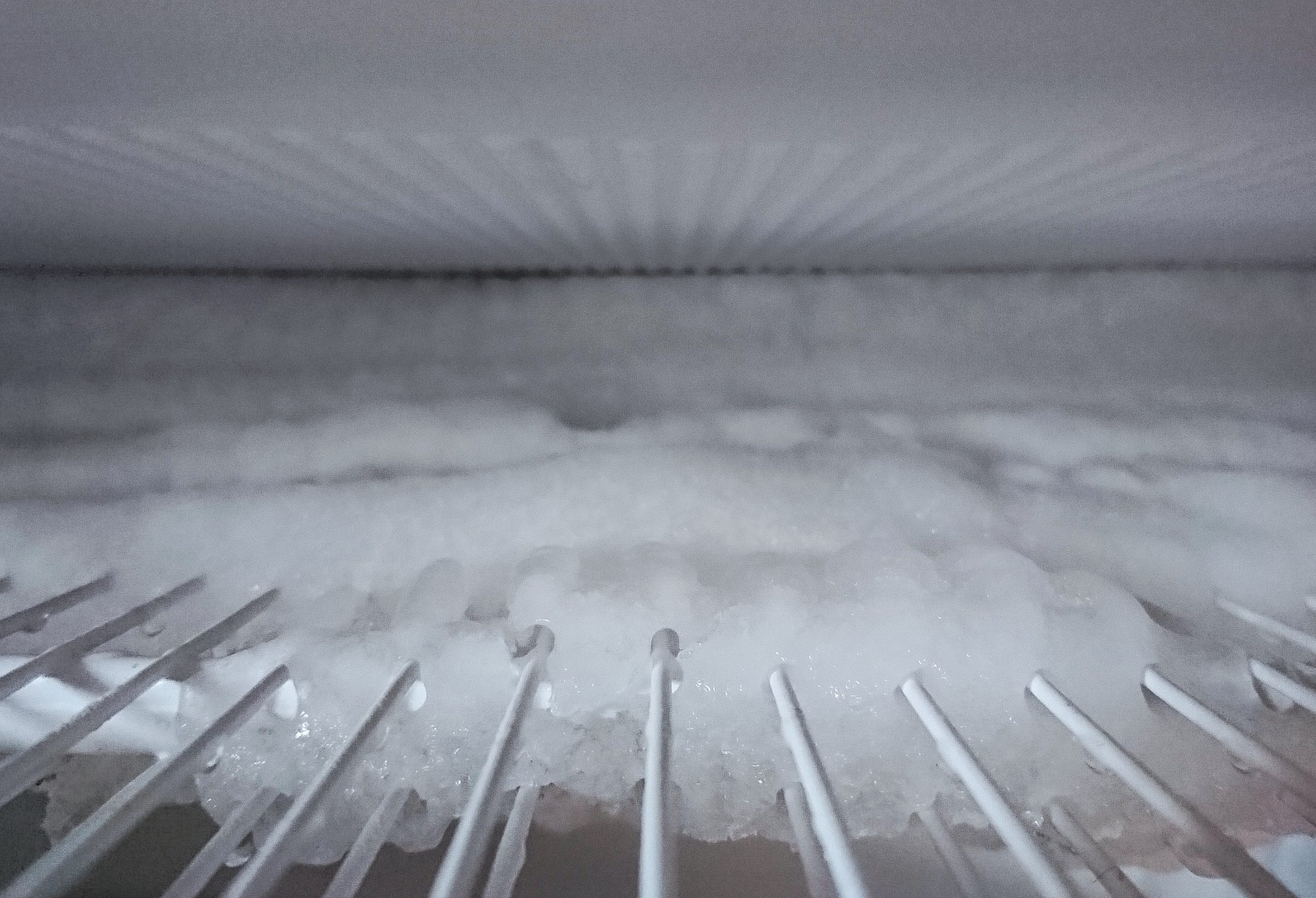
Ice on the back wall, as a sheet or a pad that grows over weeks. That is the defrost side: a heater, its sensor, or the control that runs the cycle. Frost is meant to be melted off the evaporator periodically; when it is not, it builds until it closes off the airflow, and what melts at the edges runs somewhere it was never meant to.
This is a repair, and it is the one that eventually stops the freezer working properly.
Ice around the drawers, or along the door frame. A seal that has taken a set, or a door that is not closing on it. Warm humid air comes in and condenses on the first cold thing it meets, which is the frame.
Paper-test the door at four or five points around the frame. Where the paper slides out easily, you have found it.
:::
Ice around the ice maker, or water appearing only after it has cycled. The fill valve overfilling, or its connection. A different search entirely and a smaller one.
A thin sheet of ice in the bottom under the drawers, sometimes with water running out at the front. The defrost drain is blocked and backing up. This is the commonest of the four and the only one you can clear yourself.
:::
Clearing the drain
Ten minutes, warm water, no part.
- Empty the bottom of the compartment and take the drawers out.
- Find the opening — low on the rear wall, usually central, sometimes under a small cover.
- Clear what you can see with a soft brush.
- Flush warm water through with a turkey baster, slowly. Listen for it arriving in the pan underneath.
- If it will not flow, work a length of small-diameter soft tubing gently down the line and flush again.
Warm water, not hot — very hot water on a cold liner will craze it. And never a wire or a coat hanger: the drain tube is soft plastic, a wire goes straight through it, and defrost water inside the insulation is a far bigger problem than the one you started with.
The manual defrost, and what it tells you
Emptying the freezer and letting it defrost fully removes ice from any of the causes above. That makes it a useful diagnostic rather than a fix.
:::
- Ice back within a few weeks — the defrost system itself. A repair.
- Ice back over months — moisture getting in, so a seal or a door.
- Ice stays away — you cleared a drain or a one-off buildup, and you are done.
Why this happens more here
Every door opening in a Miami kitchen admits a quantity of warm, humid air, and its moisture ends up as frost inside the cabinet. For eight months of the year that is a great deal more water than the same appliance would deal with in a dry climate.
A seal that has taken a set, a drawer that is not quite home, or a door held open while somebody decides what to cook are all, in this climate, bigger contributors than the general advice suggests.
Which also means the cheap fixes go further here: a cleaned and revived seal, or a cleared drain, prevents genuinely more ice in Florida than it would elsewhere.
When to call rather than clear
- Ice on the back wall that comes back after a full manual defrost.
- A freezer that is also drifting warm, because ice restricting the airflow eventually stops the cabinet cooling.
- Water appearing under the machine with a dry interior — that is the pan, the supply line or a valve, and it is a different search.
On an integrated column, add one more: the pan and the connections at the back are not reachable without bringing the appliance forward, which is planned work rather than something to attempt around a full freezer.
If it turns out to be a repair
What this leads to, and what it costs
Every job on this site is priced the same way: an on-site diagnostic first, the figure agreed in writing before anybody starts.
-
The freezer is losing it Frozen food going soft
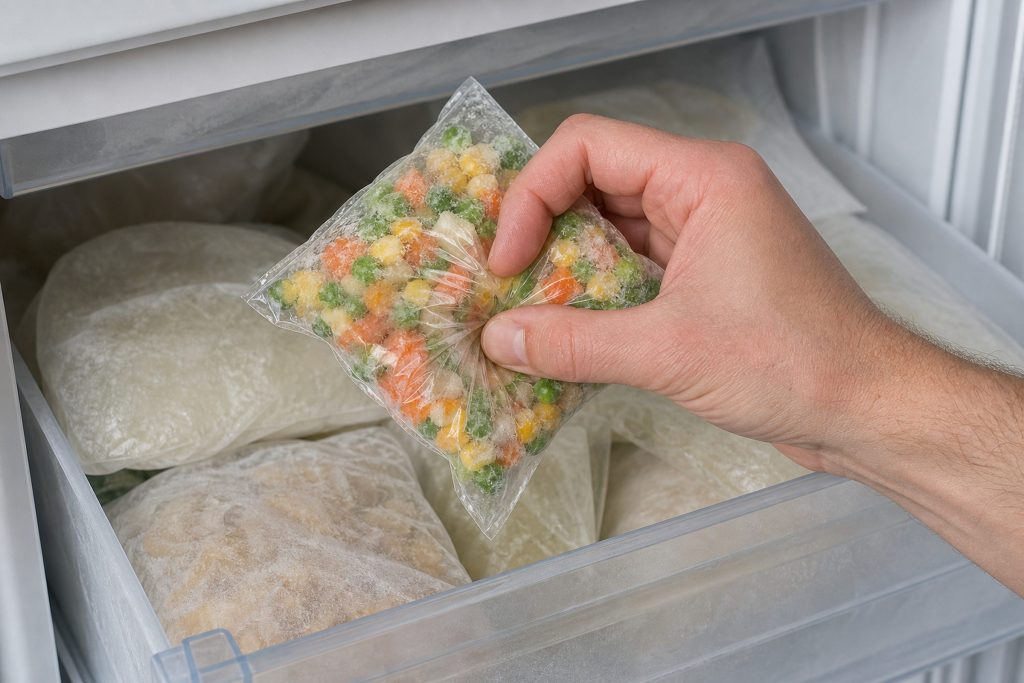
Ice cream that will not set, bags that have gone pliable, or a freezer that is holding a few degrees too warm without ever alarming. It rarely fails all at once — it drifts, which is why people notice it in the food before they notice it in the machine.
- Ice cream soft, everything else looks frozen
- Frost inside bags that were dry
- The freezer has never alarmed
-
from $185 Refrigerator cooling & defrost repair
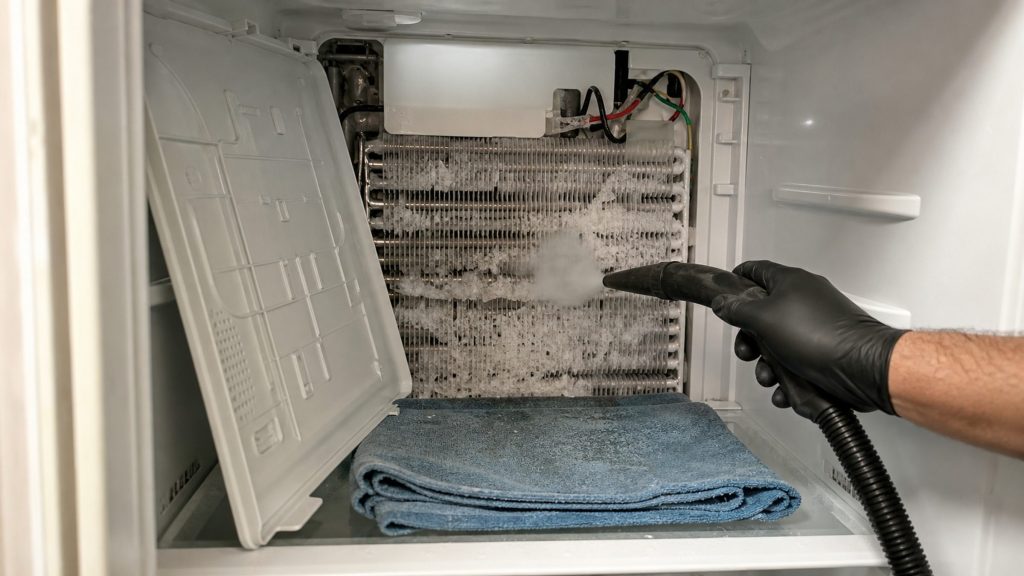
A fresh-food side drifting warm while the freezer stays cold, food softening in a freezer that still makes ice, or frost building on a back wall. Airflow and defrost long before refrigerant — and on an integrated column, most of the appointment is reaching the part rather than replacing it.
- Airflow, damper and defrost circuit before anything is opened
- Condenser read for salt and dust, which is a local cause
- Integrated access planned at the diagnostic, not discovered later
-
Integrated column freezers · Triple zone · Ice maker · 18" · 24" · 30" · Series 9 · Series 11 Freezers
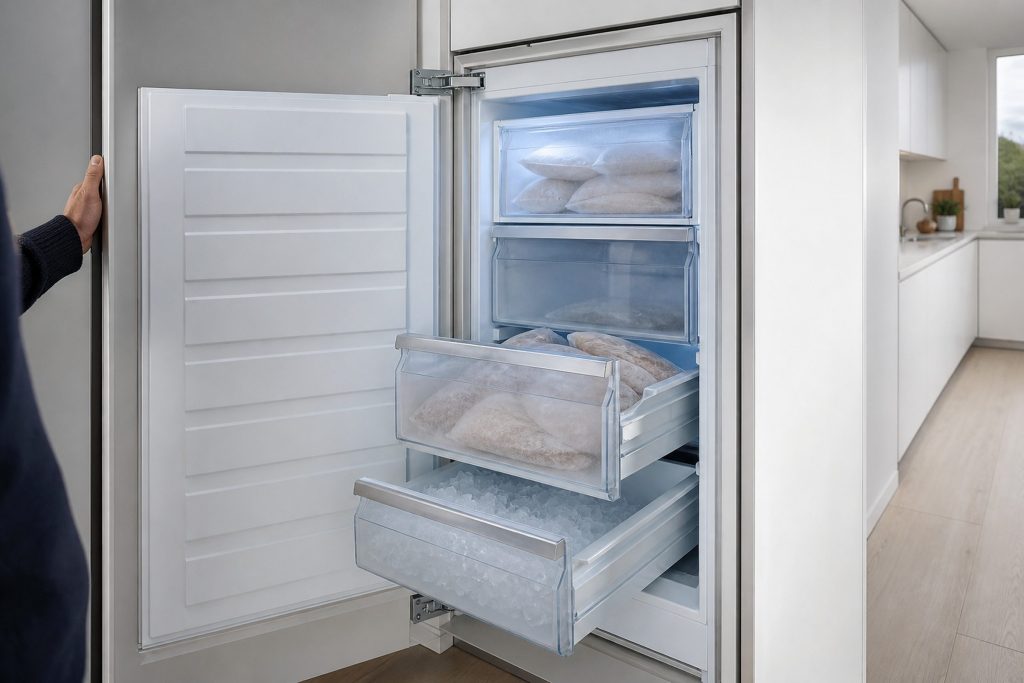
Eight machines, and every one of them is an Integrated column meant to stand beside a refrigerator column behind matching cabinet fronts. Seven of the eight carry an ice maker, and one is a triple-zone machine with three independently controlled compartments. That is the whole row, and this card would rather say so than pad it.
- Ice building up on the walls or around the drawers
- A compartment drifting warm while the ice maker keeps going
- A drawer or door that no longer seals against its frost-free frame

Questions people ask about this
Is it actually leaking, or is that melt water?
Almost always melt. A freezer has one water supply and only if it has an ice maker; everything else that appears as water started as frost inside the cabinet. That is why the location of the ice matters more than the location of the puddle — the puddle only tells you where the floor slopes.
I defrosted it manually and it came back.
Then you have learned something useful. A manual defrost removes ice from any cause; what happens next separates them. Ice back within a few weeks means the defrost system itself is not working. Ice that stays away for months and creeps back suggests a seal or a door letting moisture in gradually.
How do I clear the drain?
Find the opening low on the rear wall of the compartment, clear the visible part with a soft brush, and flush warm — not hot — water through with a turkey baster until you hear it arrive underneath. If it will not flow, work a length of small-diameter soft tubing gently down it. Never a wire: the tube is soft plastic and a wire goes straight through it.
Why is this more common here?
Humidity. Every time a door opens in a Miami kitchen, a quantity of warm damp air enters and its moisture ends up as frost inside. A seal that has taken a set, a drawer that is not quite home, or a door left ajar for a minute too long moves a great deal more water in eight humid months than the same failure would elsewhere.
Water is on the floor and the inside looks dry.
Then look under the machine rather than in it. The defrost pan by the compressor can overflow if the drain is delivering more than it can evaporate, and on an ice-and-water machine the supply line, the valve and their connections all live back there. That is a different search from anything inside the cabinet.
Can I keep using it while it waits?
Usually yes, and the practical advice is to keep the ice cleared so it does not close off airflow, and to keep the doors shut. A freezer with ice restricting the air path gets progressively worse, and food that has softened and refrozen is a food-safety question rather than a repair one.
Troubleshooting
More guides like this one
-
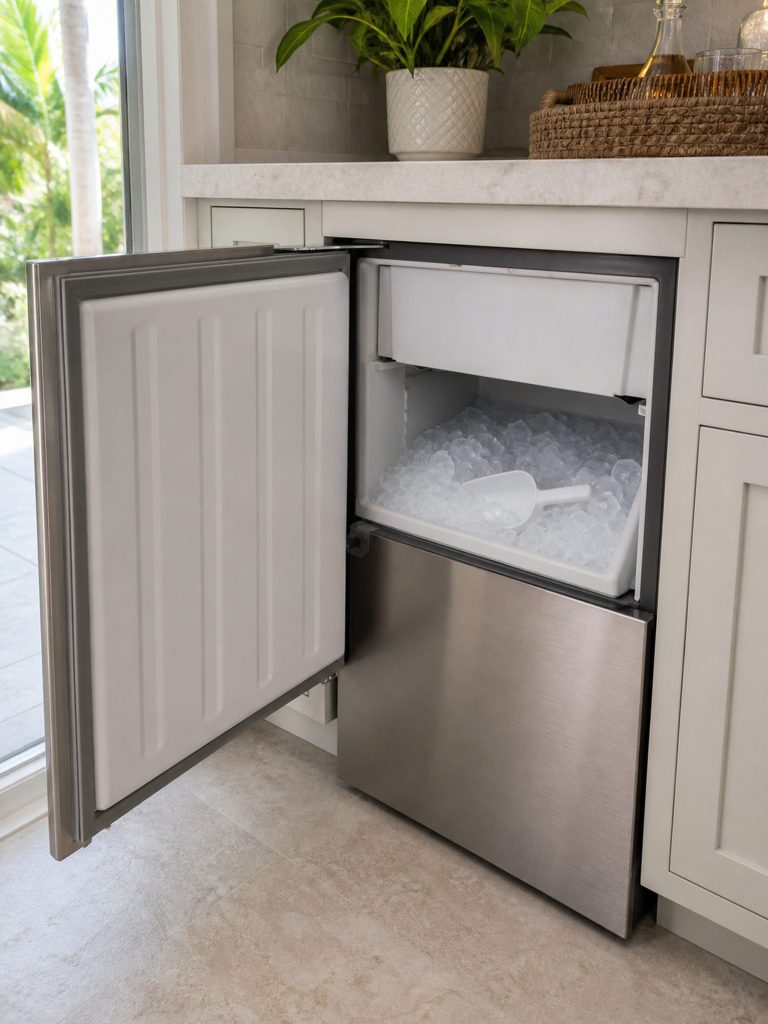
Resetting the Ice Maker, and Why It Almost Never Is the Ice Maker
Four complaints arrive as one — no ice, slow ice, small cubes, bad taste — and three of them start at the filter and the water pressure rather than at the machine that makes the ice.
Read more -
A Noisy Refrigerator: What the Sound Means Depends on When It Happens
Every noise page is a list of sounds. This one is organized by when — on opening, continuously, in bursts, or a change in the hum — because three of those four are usually normal.
Read more -
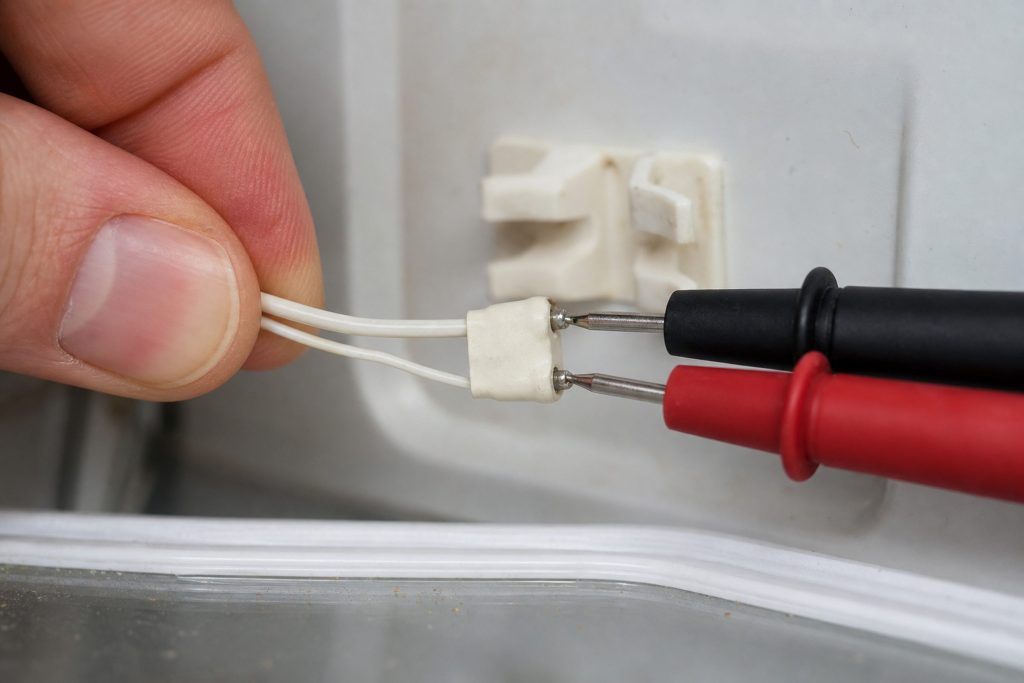
Testing a Freezer Thermistor: the Cheapest Part, Measured Rather Than Guessed
A thermistor is a resistance at a known temperature. Measuring it takes minutes and it is what separates a cheap part from a sealed-system conversation.
Read more
Tell us the model number and what it is doing.
This article is based on:
- Official manufacturer documentation
- Internal repair procedures
- Technician repair history
- Company quality standards