Safety & Risks
Mold in the Refrigerator Drip Pan: Where It Grows and How to Clear It
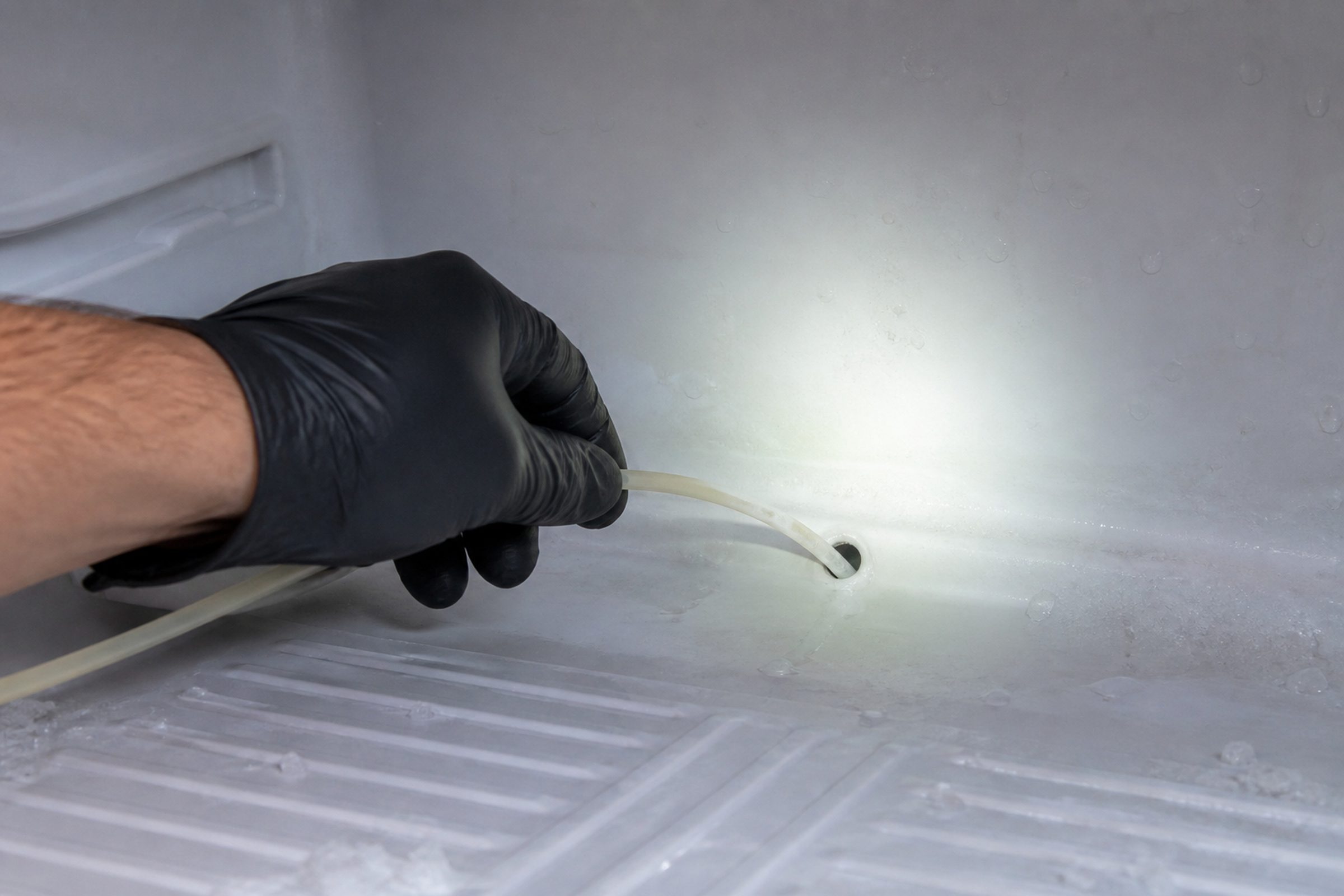
The smell people describe as coming from inside a refrigerator very often comes from underneath it. Every frost-free machine melts the frost off its evaporator on a cycle, and that water runs down a channel at the back of the compartment, through a narrow drain tube, and into a shallow pan near the compressor where it is meant to evaporate. In a hot dry climate it does. In South Florida, in a warm kitchen with eight humid months a year, it sits — and a shallow pan of standing water beside a warm compressor is exactly the environment mold likes. Clearing it is two jobs: flush the drain line so water is not carrying food debris down into the pan, and empty and wash the pan itself. On a freestanding machine the pan is behind a kickplate at the front or accessible from the back. On an integrated column it is behind the plinth or requires the machine to come forward, which is the part nobody mentions.
The full guide
Mold in refrigerator drip pan: the smell is usually not inside
Every article about a smelly refrigerator tells you to wipe the shelves and put baking soda in it. That is worth doing and it is not where the smell is coming from, which is why people do it, wait a week, and find nothing has changed.
:::
Where the water comes from
A frost-free refrigerator does not stay frost-free by magic. Frost builds on the evaporator behind the back wall, and on a cycle a heater melts it off. That water has to go somewhere.
It runs down a channel at the back of the compartment, through a narrow drain tube, and out into a shallow pan near the compressor. The pan is not plumbed to anything. It is designed for the water to evaporate, helped by the warm air moving over it while the compressor runs.
:::
In a dry climate that works perfectly. In South Florida — a warm kitchen, humid air for eight months of the year, and a machine that runs a great deal — the pan often does not empty as fast as it fills.
A shallow pan of standing water, at body temperature, in the dark, beside a warm compressor. It would be surprising if nothing grew in it.
The two jobs, in order
One: clear the drain line. Food debris and slime from inside the compartment travel down it, which both blocks it and feeds whatever is in the pan.
- Empty the bottom shelf and find the drain opening — usually a small hole or a channel in the middle of the rear wall, low down, sometimes under a cover.
- Clear the visible opening with a soft brush.
- Flush warm water through it — a turkey baster or a squeeze bottle is ideal — and listen for it arriving underneath.
- If it will not flow, a length of small-diameter flexible tubing worked gently down the line clears it. Gently: the tube is soft plastic and a wire will go through it.
Two: empty and wash the pan.
- On a freestanding machine, the pan is usually behind the kickplate at the front, or reachable from the back. Pull it out level — it is full of water.
- Wash it with warm soapy water, rinse it, dry it, and put it back seated properly.
Do not pour bleach down the drain line. It meets aluminum and soft plastics on the way and does nothing that warm water and a brush do not. Clean the pan first, then disinfect the pan if you want to — not the line.
What is different on a built-in column
This is the part almost no article mentions, and on this maker it matters, because every freezer and wine cabinet in the line is integrated and so are twenty-four of the fifty-one refrigeration models.
On an integrated machine there is no kickplate to pull off and no back to reach. The pan is behind the plinth or requires the appliance to come forward out of the opening it was fitted into — with a cabinet panel to remove and a water line and electrical connection behind it.
That is why this job goes undone on exactly the machines where it matters most, and why it belongs on a maintenance visit rather than on a Saturday.
How to know it is the pan
- Empty the interior and clean it properly. Leave it a day.
- If the smell returns with the machine empty, it is not the food.
- Get low, at the front, with the compressor running. A drip pan smell is stronger near the floor and stronger when the machine has been running, because the warm air over the pan is what carries it into the room.
The other thing this fixes
A blocked drain does not only smell. It backs up, and then you get water in the bottom of the refrigerator — which arrives as "my refrigerator is leaking" and is one of the commonest calls that turns out not to be a leak at all.
Same job, approached from the other end, and it costs nothing but ten minutes.
If it turns out to be a repair
What this leads to, and what it costs
Every job on this site is priced the same way: an on-site diagnostic first, the figure agreed in writing before anybody starts.
-
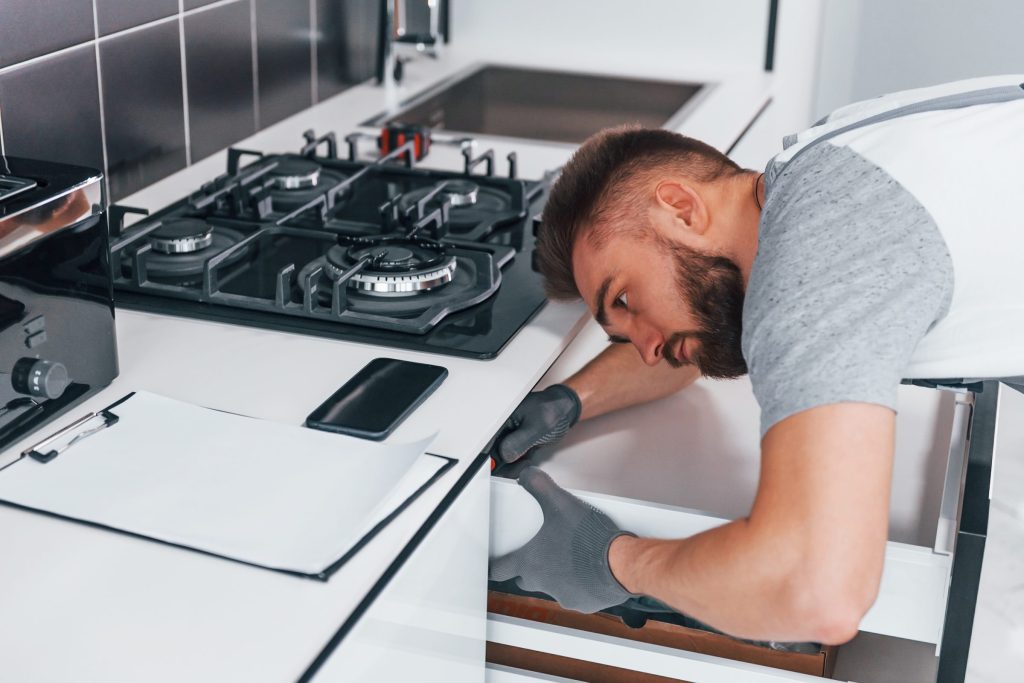
from $135 Appliance maintenance visit
The things this maker's own guides ask an owner to do, done properly and all at once: condensers, filters, seals, descaling, spray arms, ducts. Priced per visit rather than per appliance, which is what makes it worth doing on a kitchen where most of the machines come from one maker.
- Condenser and seals, which are the local weak points
- Steam ovens descaled, which nothing else here does
- One visit, several appliances, one travel charge
-
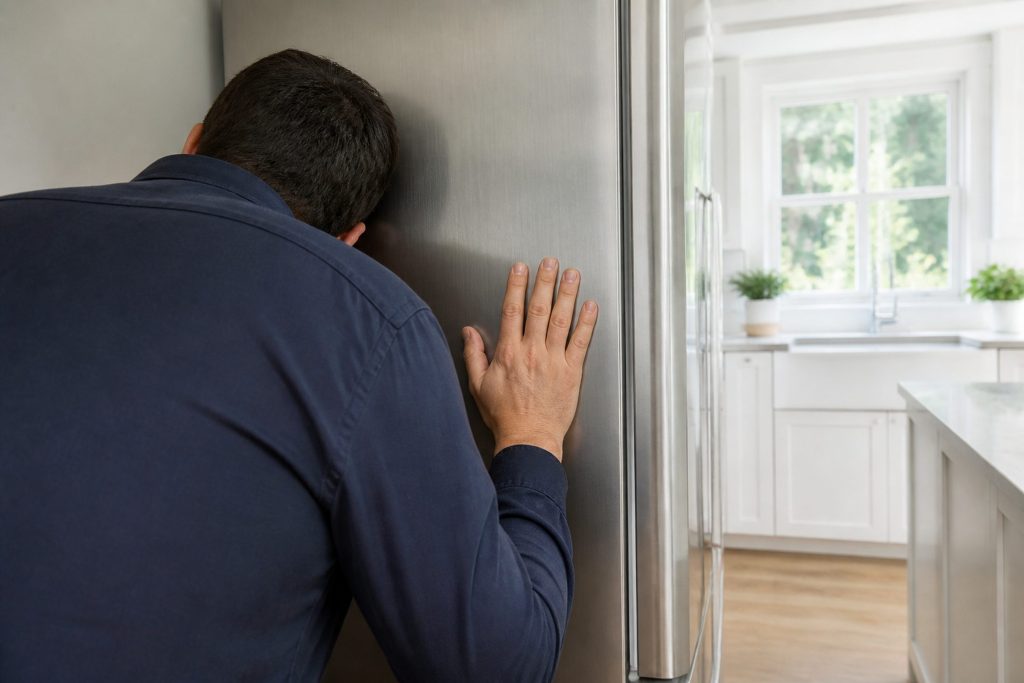
New sounds, not loud ones Refrigerator making an unfamiliar noise
These machines are quiet, which means a new sound stands out — and the maker publishes articles on gasket noise, fan noise and ice maker noise because most of what gets reported is normal. What matters is whether the sound is new, not whether it is loud.
- A creak or suck when the door opens
- A fan that has become louder
- Knocking or grinding during ice harvest
-

Integrated columns · French door · Quad door · CoolDrawer · Series 5 · 7 · 9 · 11 · 24" · 30" · 32" · 36" Refrigerators
Fifty-one machines in the current line, and twenty-four of them are Integrated — built into the cabinetry behind your own door panels rather than standing in an opening. Columns that pair a refrigerator with a freezer beside it, French door and quad door machines that stand on the floor, and the CoolDrawer, a drawer that can be run as anything from a freezer to a chiller.
- A fresh-food side going warm while the freezer stays cold
- An ice maker that has slowed down or stopped
- A door that no longer sits square, or a seal that has gone warm to the touch
Questions people ask about this
How do I know the smell is the pan and not the food?
Empty the machine, wash the interior properly, and leave it a day. If the smell comes back with nothing in it, it is not the food. Then get your nose near the floor at the front of the appliance with it running: a drip pan smell is stronger low down and stronger when the compressor has been running, because the warm air moving over the pan is what carries it into the room.
Is mold in a drip pan a health problem?
It is a smell problem in almost every case, and worth clearing on those grounds alone. What makes it worth taking seriously beyond the smell is that the pan sits in the airflow around the compressor, so whatever is growing there is being wafted into the kitchen every time the machine runs. Anybody in the house with a mold sensitivity will notice it long before anybody else does.
Can I pour bleach down the drain?
Better not. Bleach is hard on the plastics and the aluminum it will meet on the way, and it does nothing the gentler method does not. Warm water flushed through with a soft brush or a length of small-diameter tubing clears the debris; the pan itself washes with warm soapy water. Save the disinfectant for the pan once it is clean.
The drain keeps blocking. Is something wrong?
A drain that blocks repeatedly is usually collecting food debris from inside the compartment — crumbs and liquid that reach the channel at the back. Keeping that channel clear when you clean the interior is most of the prevention. On some machines a small heater or a wick in the drain has failed, and that is a repair rather than a cleaning job.
What if there is water inside the bottom of the fridge instead?
Then the drain is blocked upstream of the pan, and the water is backing up rather than getting down. That is the same job approached from the other end, and it is one of the commonest 'my refrigerator is leaking' calls that turns out not to be a leak at all.
Is this something you do on a maintenance visit?
Yes, and it is one of the things almost nobody does themselves — largely because on a built-in machine you cannot get at it without moving the appliance. It sits alongside the condenser, the door seals and the water filter on a maintenance visit, and on this equipment those four together are most of what shortens an appliance's life here.
Safety & Risks
More guides like this one
-
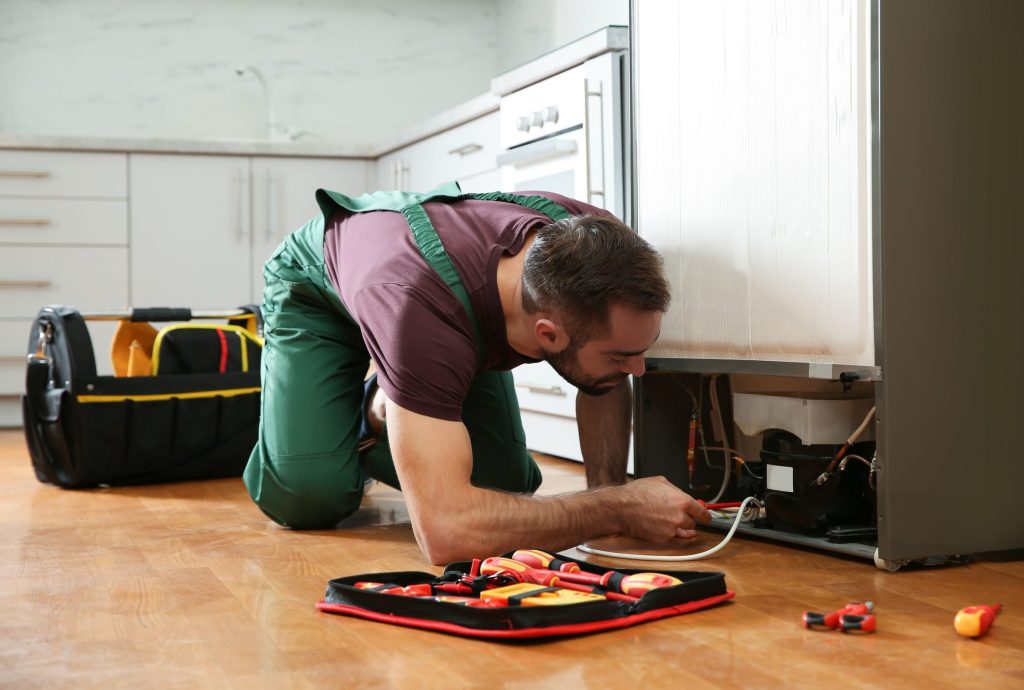
Refrigerant Leak in a Refrigerator: the Signs, the Real Risk, and the Right Response
A sealed system is sealed. If it is short of refrigerant it leaked, and topping it up sends the same amount out of the same hole. Here is what a leak actually looks like from the kitchen.
Read more -
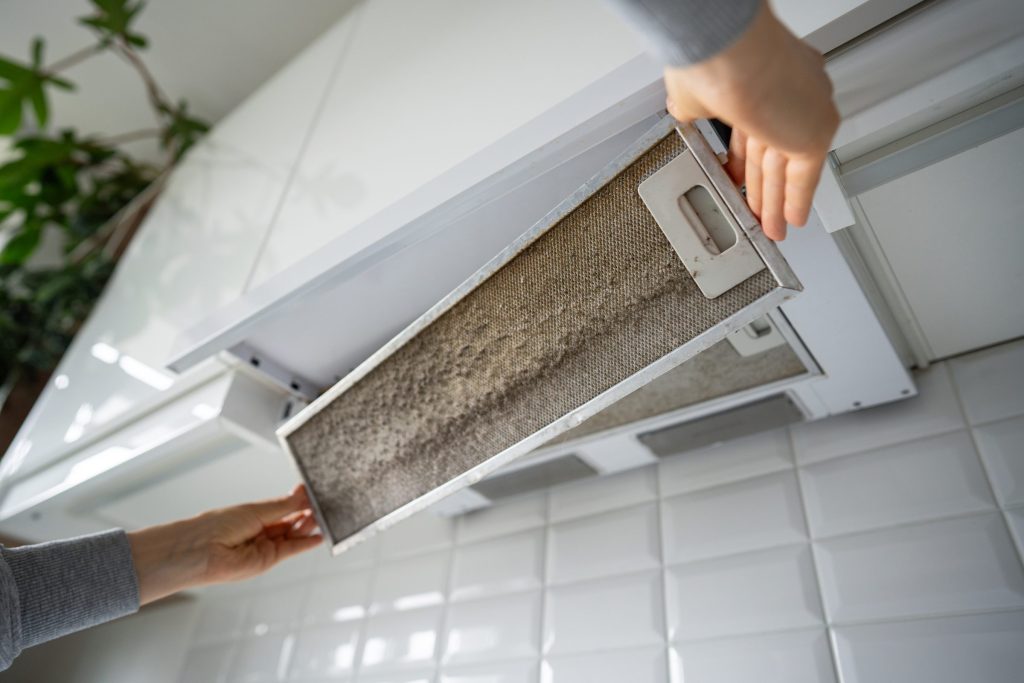
Grease Fire on a Cooktop: the Thirty Seconds That Decide It
Lid on, heat off, do not move the pan, never water. Everything else is written for somebody with time to read, and in this situation nobody has any.
Read more -
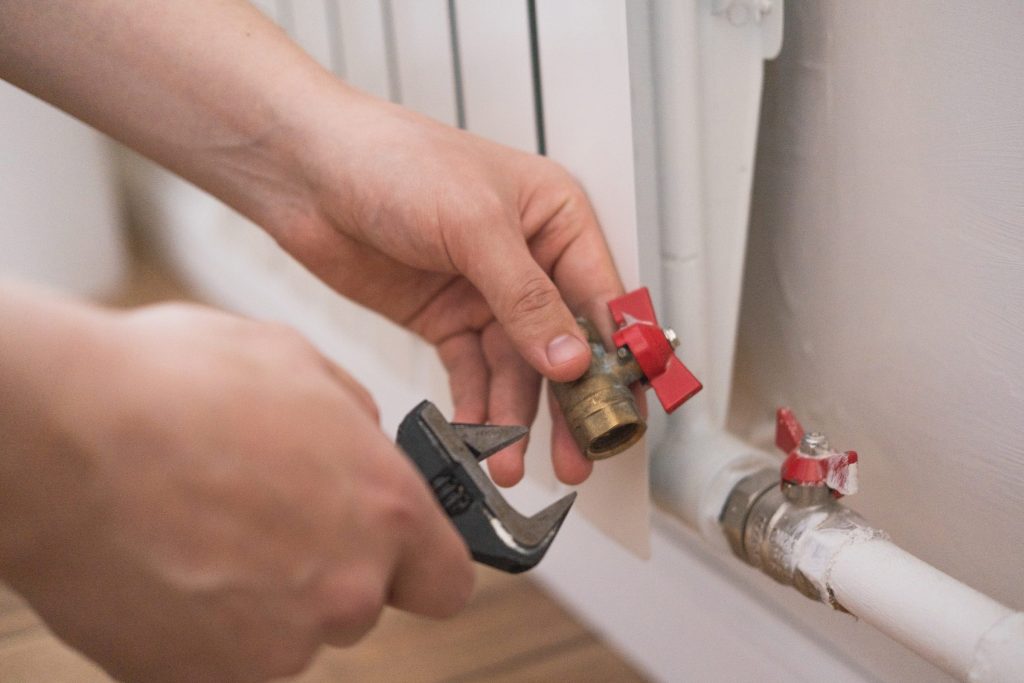
Gas Smell From the Oven: What Is Normal, What Is Not, and What to Do First
Two situations wear the same description and they need opposite responses. Which one you have is decided by a single question: is the appliance running?
Read more
Tell us the model number and what it is doing.
This article is based on:
- Official manufacturer documentation
- Internal repair procedures
- Technician repair history
- Company quality standards