
Maintenance & Prevention
The Refrigerator Drain Line: Where the Water on Your Floor Actually Comes From
Water in the bottom of a refrigerator, or a thin sheet of ice under the crisper drawers, is almost always the defrost drain rather than a plumbing leak. Every frost-free machine melts the frost off its evaporator on a cycle, and that water is supposed to run down a channel at the back of the compartment, through a narrow tube, and into a shallow pan near the compressor. When the tube blocks — with food debris, slime or ice — the water has nowhere to go and backs up into the cabinet instead. Clearing it takes warm water and ten minutes: find the drain opening low on the rear wall, clear the visible part with a soft brush, and flush warm water through with a turkey baster until you hear it arriving underneath. If it will not flow, a length of small-diameter soft tubing worked gently down the line clears it — gently, because a wire will go straight through the plastic.
The full guide
How to clean refrigerator drain, and why it is the answer so often
"My refrigerator is leaking" is one of the commonest calls in this trade, and a large share of the time nothing is leaking. Water that should have gone out is coming back in.
:::
What the drain is for
A frost-free refrigerator builds frost on its evaporator behind the back wall, and on a cycle a small heater melts it off. That water has to leave.
It runs down a channel at the back of the compartment, into a narrow drain tube, and out to a shallow pan near the compressor, where it is meant to evaporate into the warm air moving over it.
:::
Block that tube — with crumbs, with the slime that grows in a damp dark line, or with ice — and the water backs up into the cabinet. You get a puddle in the bottom, or a thin sheet of ice under the crisper drawers, and it comes back every few days no matter how often you mop it.
Telling it apart from a real leak
| What you see | What it is |
|---|---|
| Water in the bottom of the cabinet, or ice under the drawers | The defrost drain, almost always |
| Water on the floor with a dry interior | A supply line, a fill valve, or the pan overflowing |
| Water only after the ice maker cycles | The fill valve or its connection |
| Water at the front under the door | A door that is not sealing, and condensation |
That first row is this page. The others are a different visit.
Clearing it, step by step
- Empty the bottom shelf and take the drawers out. You want to see the back wall.
- Find the opening. Low on the rear wall, usually in the middle, sometimes under a small cover or in a moulded channel. On some machines it is behind the crisper trim.
- Clear the visible part with a soft brush or a cotton bud. What comes out will tell you a lot.
- Flush it. A turkey baster or a squeeze bottle of warm — not hot — water, poured slowly into the channel. Listen: you should hear it arrive in the pan underneath within a few seconds.
- If it will not flow, work a length of small-diameter soft flexible tubing gently down the line, twisting rather than forcing, then flush again.
Not a wire, not a coat hanger, not a screwdriver. The drain tube is soft plastic and it will go straight through it — and a hole in the drain line puts defrost water inside the insulation, which is a far larger problem than the one you started with.
The other end of the job
The pan at the bottom is worth attention at the same time, especially here.
It is designed for the water to evaporate, helped by warm air from the compressor. In a hot dry climate it does. In South Florida — humid for eight months of the year — it often does not, and a shallow pan of standing water beside a warm compressor is where the smell people blame on the food actually comes from.
On a freestanding machine the pan is behind the kickplate or reachable from the back. On an integrated column it is behind the plinth or needs the appliance to come forward, which is why it goes undone on the machines where it matters most.
Preventing the next one
- Keep the channel at the back clear when you clean the interior. Most blockages start as food debris going down with the defrost water.
- Do not stack food against the rear wall. It stops air moving and it puts crumbs exactly where they will travel.
- Deal with it early. A drain that is slowing gives you a small puddle before it gives you a sheet of ice.
When it is not the drain
If ice is building on the back wall rather than water collecting in the bottom, the defrost cycle itself may not be clearing the evaporator — a heater, a sensor, or the control that runs it. That is a repair rather than a cleaning job, and it is the one that eventually stops the machine cooling properly.
The location of the ice is the diagnosis, and it costs nothing to look.
If it turns out to be a repair
What this leads to, and what it costs
Every job on this site is priced the same way: an on-site diagnostic first, the figure agreed in writing before anybody starts.
-
from $185 Refrigerator cooling & defrost repair
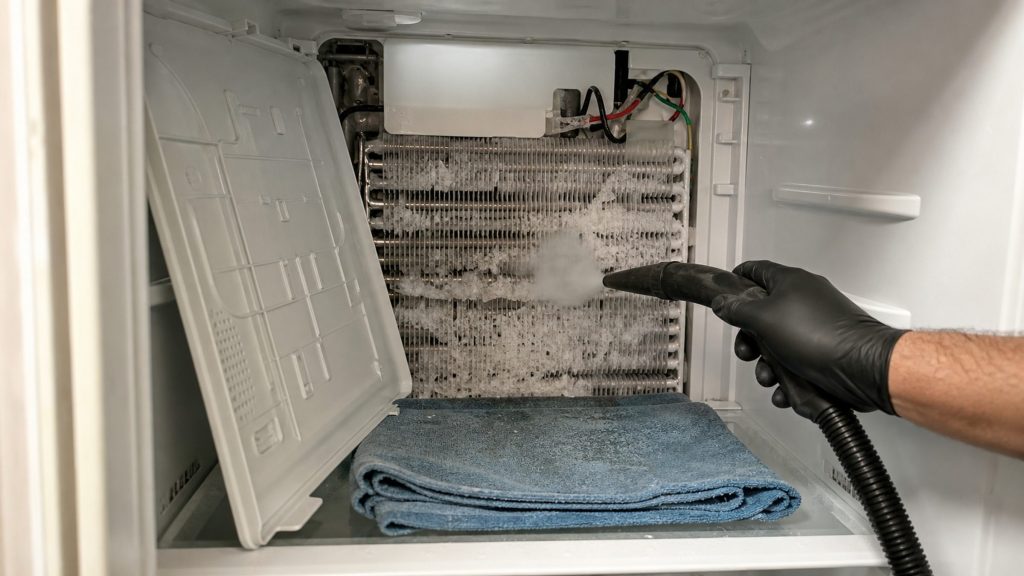
A fresh-food side drifting warm while the freezer stays cold, food softening in a freezer that still makes ice, or frost building on a back wall. Airflow and defrost long before refrigerant — and on an integrated column, most of the appointment is reaching the part rather than replacing it.
- Airflow, damper and defrost circuit before anything is opened
- Condenser read for salt and dust, which is a local cause
- Integrated access planned at the diagnostic, not discovered later
-
The freezer is losing it Frozen food going soft
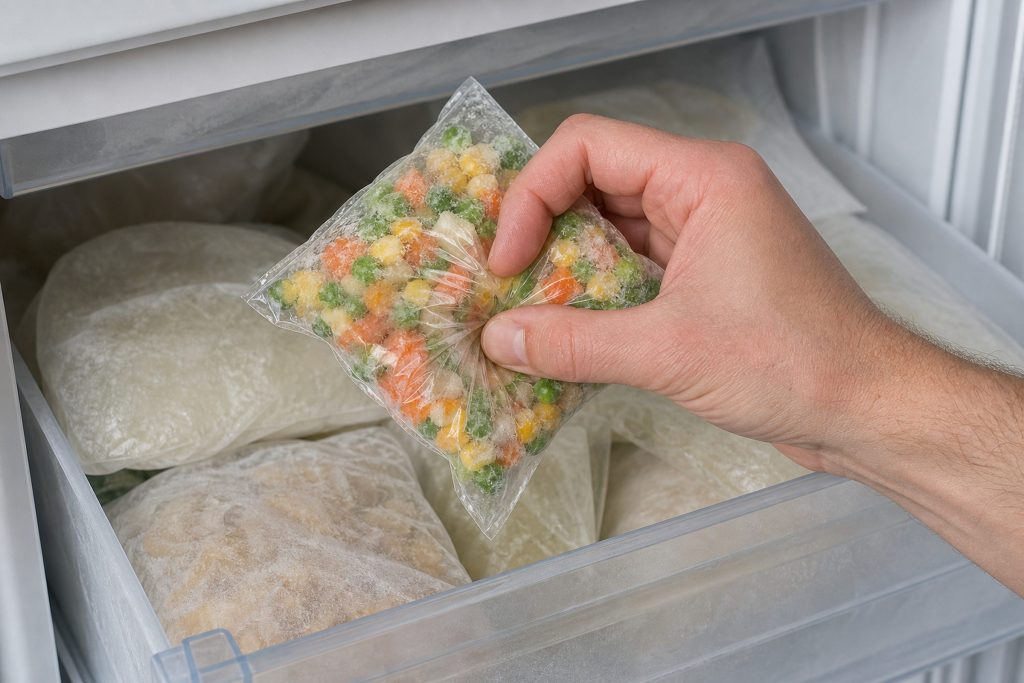
Ice cream that will not set, bags that have gone pliable, or a freezer that is holding a few degrees too warm without ever alarming. It rarely fails all at once — it drifts, which is why people notice it in the food before they notice it in the machine.
- Ice cream soft, everything else looks frozen
- Frost inside bags that were dry
- The freezer has never alarmed
-
from $135 Appliance maintenance visit
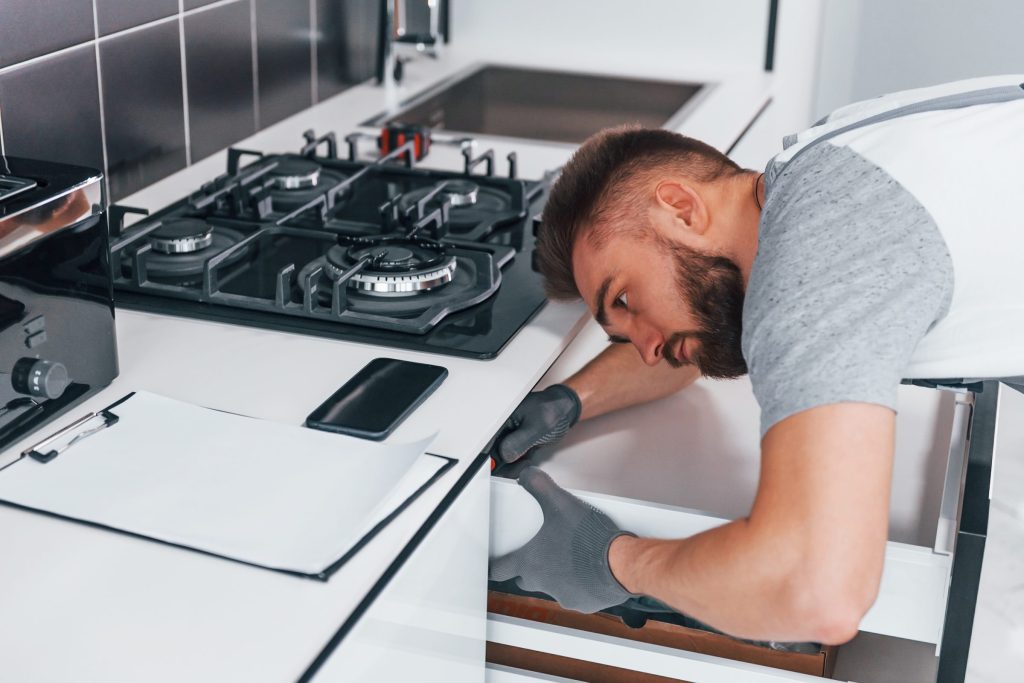
The things this maker's own guides ask an owner to do, done properly and all at once: condensers, filters, seals, descaling, spray arms, ducts. Priced per visit rather than per appliance, which is what makes it worth doing on a kitchen where most of the machines come from one maker.
- Condenser and seals, which are the local weak points
- Steam ovens descaled, which nothing else here does
- One visit, several appliances, one travel charge
Questions people ask about this
How do I tell a blocked drain from a real leak?
Where the water is. Inside the cabinet, in the bottom or under the crispers, is a drain. Under the machine on the floor with the interior dry is a supply line, a valve, or the pan overflowing. A thin sheet of ice under the drawers is the drain every time — that is defrost water that froze where it stopped.
Why does it keep blocking?
Because food debris and liquid from inside the compartment reach the channel at the back and go down with the defrost water. Keeping that channel clear when you clean the interior is most of the prevention. On some machines a small heater or a wick in the drain has failed, and a drain that blocks every few months despite being clean is worth looking at properly.
Can I use hot water?
Warm, not hot. Very hot water on a cold plastic liner is a good way to craze it, and warm is enough to move slime and melt ice. If the blockage is ice rather than debris, warm water poured slowly is exactly the right approach and it takes a couple of goes.
Should I put bleach or vinegar down it?
Neither is necessary and bleach is a poor idea — the line meets aluminum and soft plastic on the way. Warm water and mechanical clearing does the job. If the smell is the concern, that is the pan at the other end rather than the line, and the pan washes separately.
What is different on an integrated column?
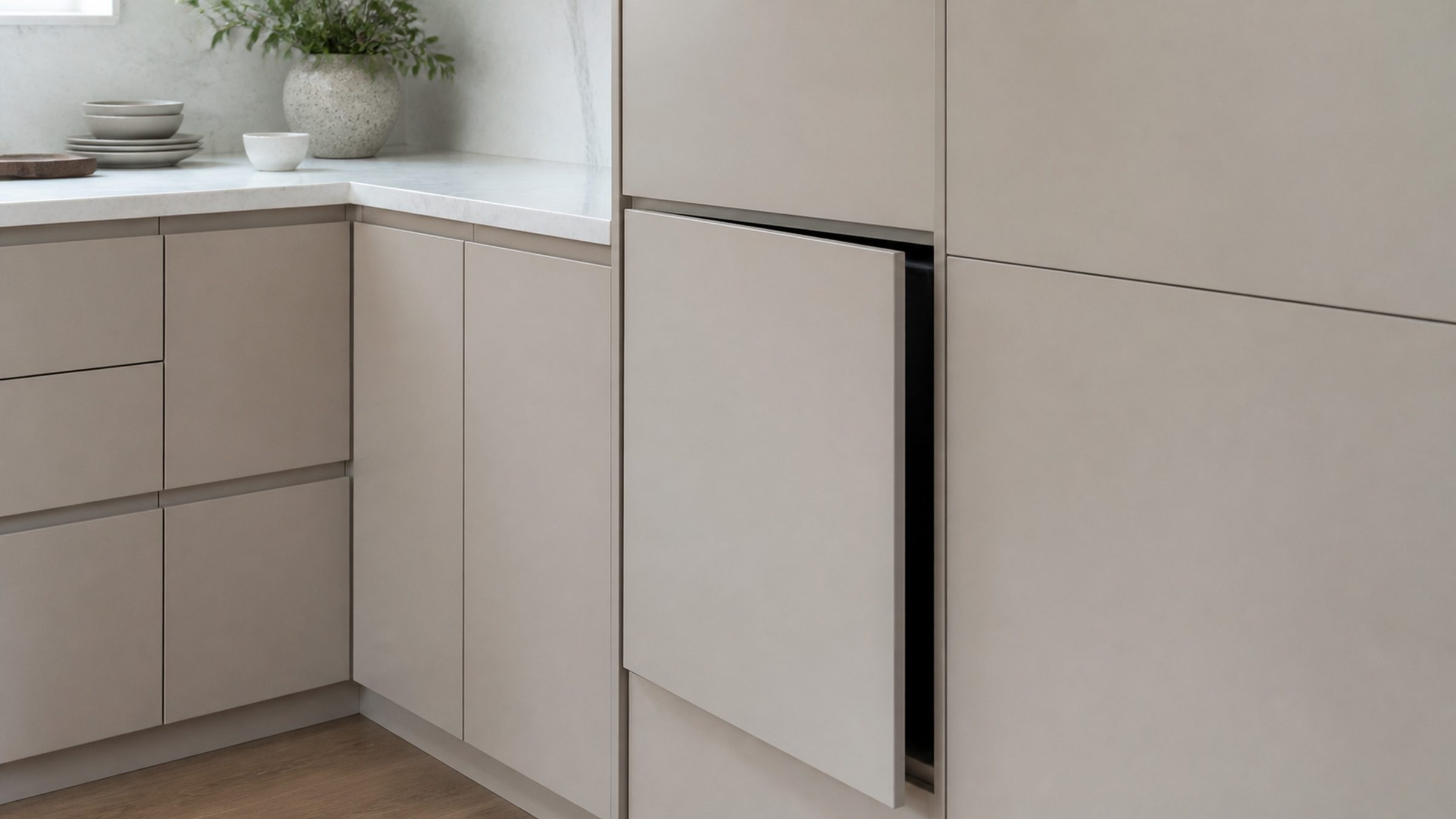
The clearing from inside is identical. What is different is the other end: on a built-in machine you cannot simply pull a kickplate and slide the pan out, because the plinth is part of your cabinetry and the appliance may have to come forward. That is why the pan on an integrated machine is usually only cleaned on a maintenance visit.
There is ice building up at the back instead of water.
Then the drain may be frozen rather than blocked with debris, and there is a second possibility: the defrost cycle itself is not clearing the evaporator. Ice on the back wall points at the defrost heater, its sensor, or the control that runs the cycle, and that is a repair rather than a cleaning job.
Maintenance & Prevention
More guides like this one
-
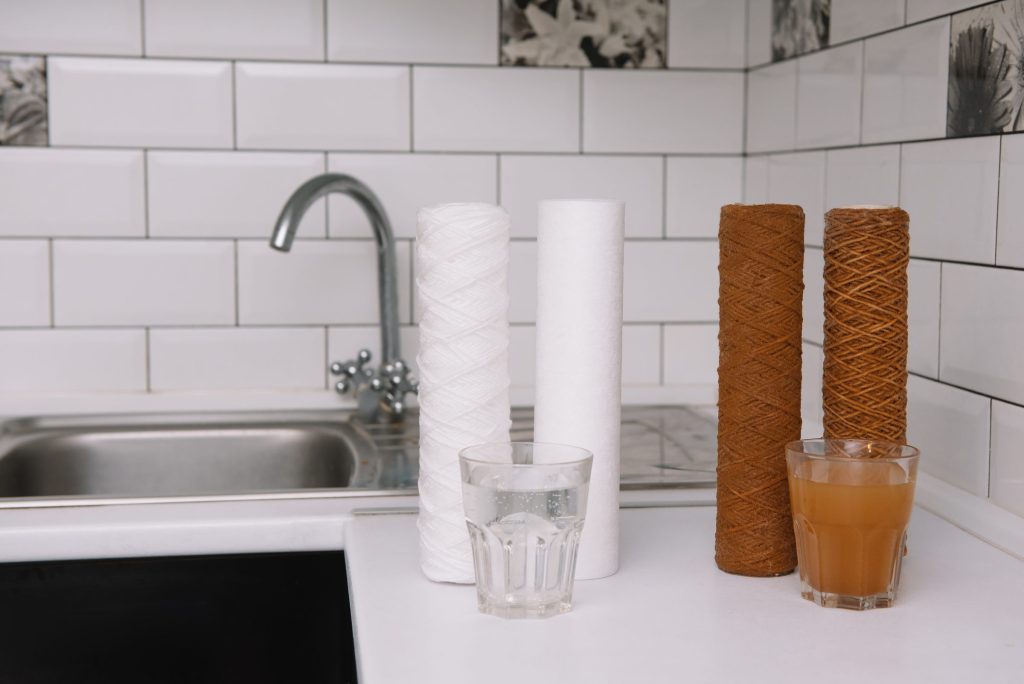
Changing the Water Filter: the Part Behind Three Different Ice Complaints
Slow ice, small cubes and a bad taste look like three failures and are frequently one $50 part past its life. Here is how to change it, reset the light, and read what happens next.
Read more -
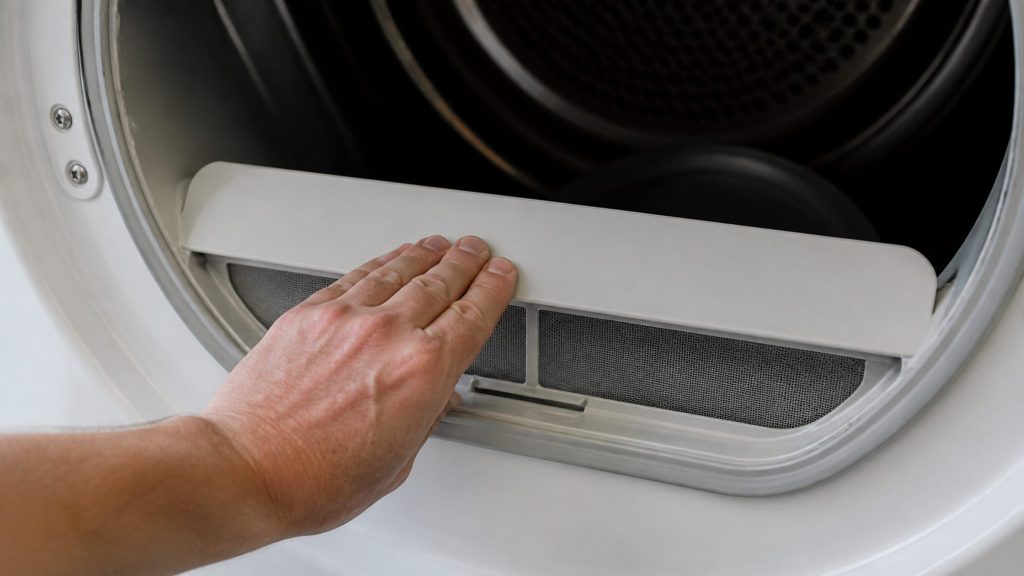
Dryer Maintenance for a Machine the Maker No Longer Sells Here
Fisher & Paykel lists no dryer for the United States today, and still sells laundry spare parts. That combination changes what maintenance is worth, and it is worth more.
Read more -
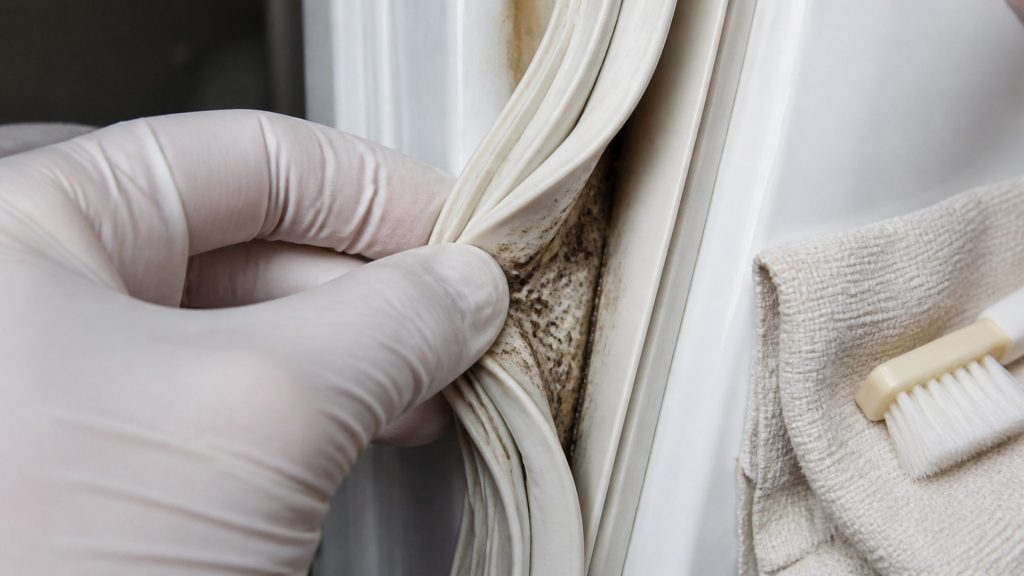
Cleaning and Reviving a Refrigerator Door Seal Before It Costs You a Compressor
A door seal is the cheapest preventive repair in the kitchen, and the one nobody thinks of as a repair at all. Four separate complaints trace back to it.
Read more
Tell us the model number and what it is doing.
This article is based on:
- Official manufacturer documentation
- Internal repair procedures
- Technician repair history
- Company quality standards