Maintenance & Prevention
Cleaning and Reviving a Refrigerator Door Seal Before It Costs You a Compressor
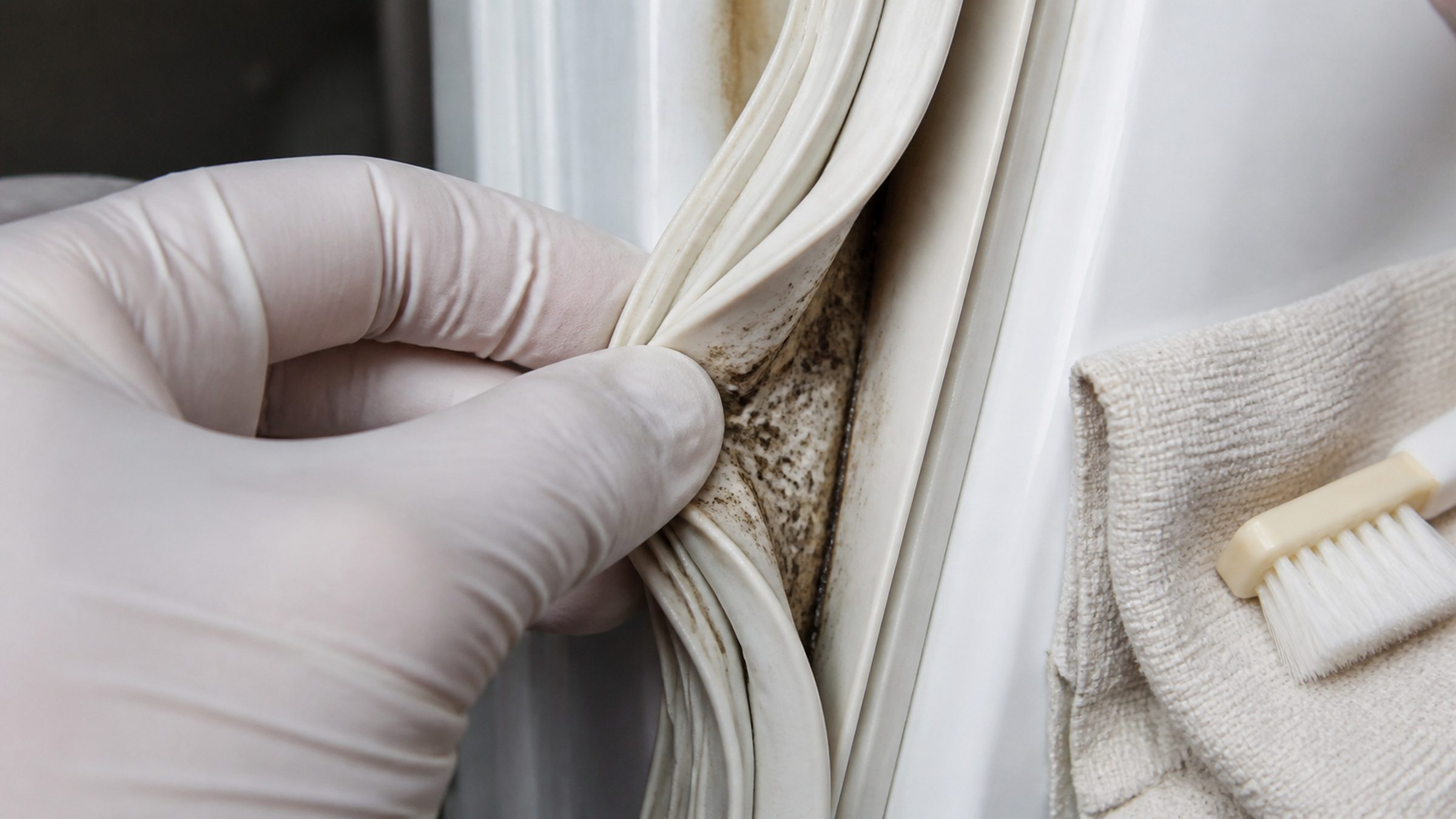
Clean it properly first, because a seal that is not sealing is dirty about as often as it is worn. The profile is hollow and folded, so debris collects in the folds rather than on the face — warm soapy water, a cloth worked into each fold, and a dry finish. Then test it rather than looking at it: close the door on a sheet of paper at four or five points around each frame and try to pull it out. Where it slides out easily, you have found the gap. A seal that has taken a set from being propped open can often be brought back rather than replaced, with gentle warmth and working the memory out of it; one that has hardened, torn or lost its magnet is a part. All of this is worth doing because a door that does not seal quietly causes four other complaints — frost around the drawers, a compartment that will not hold temperature, a compressor that never seems to stop, and condensation on the frame — and each of those gets reported as its own problem.
The full guide
How to clean refrigerator door seal, and why it is worth ten minutes
Almost nobody thinks of a door seal as a repair. It is a rubber strip, it looks fine, and there is nothing obviously wrong with it.
Meanwhile, a door that is a couple of millimeters open is letting warm, humid room air into the cabinet continuously. In South Florida that is a lot of moisture, and the machine spends all day fighting it.
Clean it before you judge it
The profile is not a flat strip. It is a hollow folded shape with a magnet inside it, and the folds are where everything collects — crumbs, sticky spills, and in a freezer door, frost that has melted and refrozen.
:::
- Warm soapy water and a soft cloth. No solvents and no bleach, both of which harden the material.
- Work the cloth into each fold rather than wiping the face. That is where the dirt is.
- Dry it properly. A wet seal picks up more of what it just lost.
- If the frame is dirty too, clean that — a seal can only be as good as the surface it meets.
A surprising share of seals that are not sealing are simply dirty, and this is the whole repair.
Then test it, rather than looking at it
Sealing depends on the shape the profile makes and the pull of the magnet, and neither is visible. A seal can look immaculate and hold nothing at one corner.
The paper test:
- Close the door on a sheet of paper so half of it is inside.
- Try to pull it out. It should drag.
- Repeat at four or five points around each door — top, both sides, bottom, and either side of a hinge.
Where it slides out easily, you have your gap. One corner is enough to cause everything below.
Reviving a seal instead of replacing it
A seal that has taken a set — flattened where it was propped open for an afternoon, or squashed by a shelf pushed too far forward — has a memory rather than damage.
Warm it gently along the flattened section with a hair dryer on a low setting, then close the door and leave it for an hour so it reshapes against the frame. It recovers a real proportion of them, and it costs nothing.
What does not recover: a seal that has hardened, one that has torn, and one that has lost its magnetic pull. Those are parts, and they are ordinary parts.
The four complaints a bad door quietly causes
This is why the ten minutes are worth it, and every one of these gets reported as its own separate problem:
- Frost around the drawers or the door of a freezer. Warm humid air in, moisture condensing and freezing on the first cold thing it meets.
- A compartment that will not hold temperature, especially in summer.
- A compressor that never seems to stop. It is fighting a continuous load of warm air.
- Condensation on the frame or the exterior, and a bill that nobody connects to the refrigerator.
Fix the door and all four go away.
The one that is not a symptom
If the seal or the frame feels warm, that is very likely correct behavior. The center seal on a French door machine and the frame around a column carry an anti-condensation heater, deliberately, so moisture forms on your kitchen window and not on the appliance. Fisher & Paykel publishes an article about it because it is reported constantly.
Warm frame plus a compartment drifting up is worth a call. Warm frame on a machine holding temperature is the design working.
On an integrated machine, check the panel first
If the door has started to sit crooked rather than simply not sealing, look at the cabinet panel before the appliance. On an integrated machine your millwork hangs on adjustable brackets, and years of opening a heavy panel is exactly what moves them.
It is the cheapest repair on this subject and the first one worth checking — people brace for a hinge and usually get a bracket.
If it turns out to be a repair
What this leads to, and what it costs
Every job on this site is priced the same way: an on-site diagnostic first, the figure agreed in writing before anybody starts.
-
Or sitting crooked Refrigerator door not closing properly
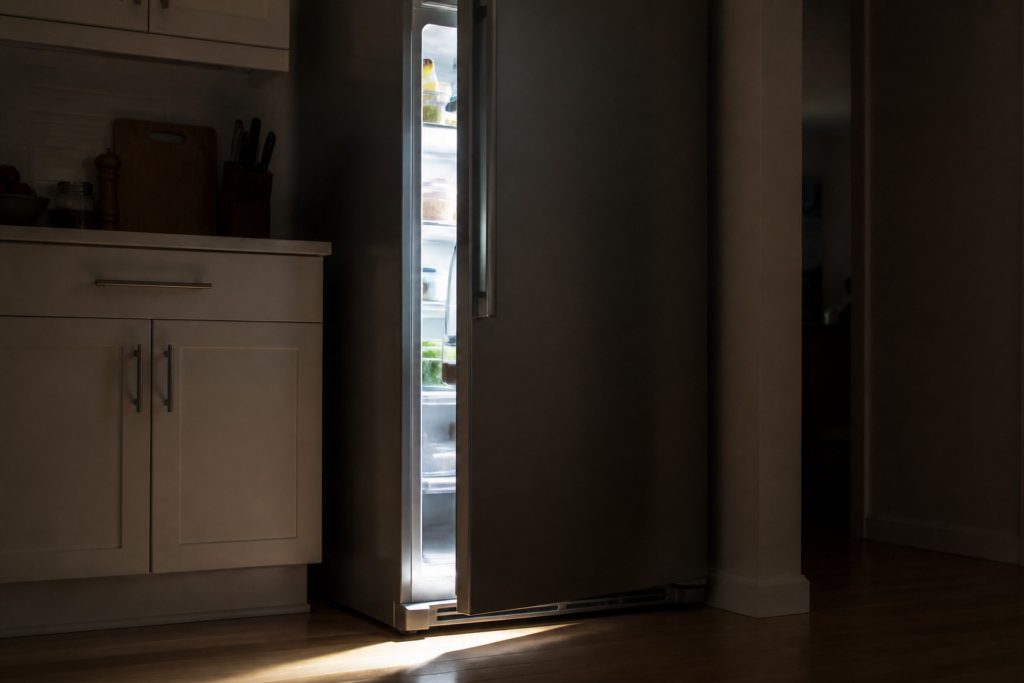
A door that does not swing shut, one that has started to sit crooked, or a seal that no longer seals. On this maker a large share of these are the cabinet panel and its hardware rather than the appliance — which is a much smaller job than the one people brace for.
- The door needs a push to close
- It sits proud at one corner
- Condensation or frost around the frame
-
from $145 Refrigerator door, seal & panel repair
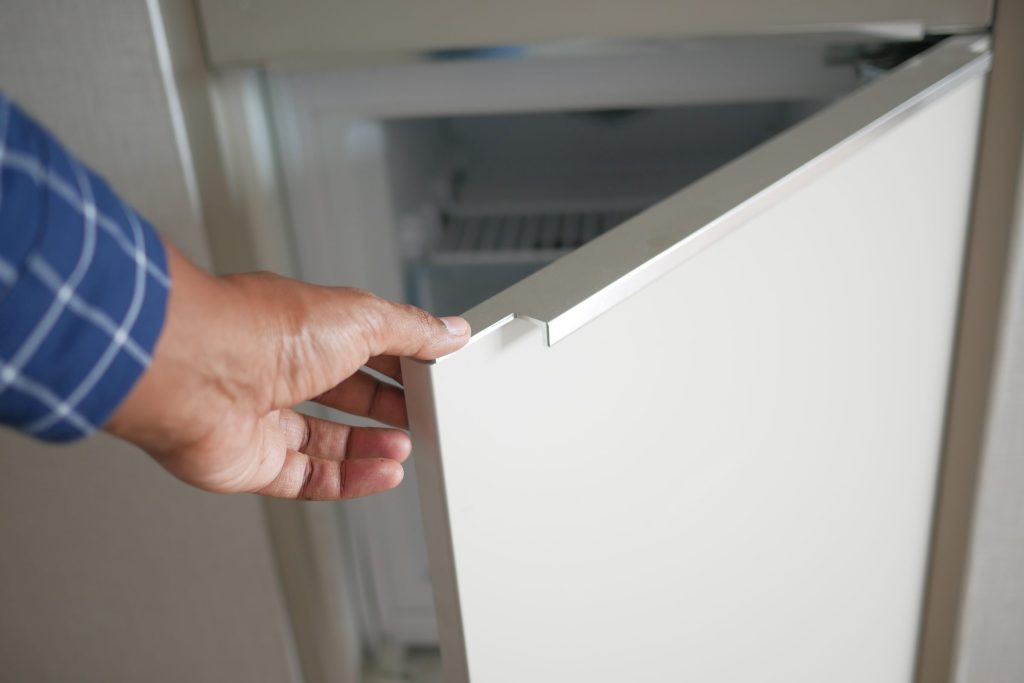
A door that will not close, one that has started to sit crooked, or a seal that has stopped sealing. On this maker a large share of these are the cabinet panel and its hardware rather than the appliance — which is a much smaller job than the one people brace for, and it is why this row is priced where it is.
- Panel hardware checked before the appliance is blamed
- Seals read for hardening, set and debris
- Alignment on a door your cabinetmaker built
-
from $135 Appliance maintenance visit
The things this maker's own guides ask an owner to do, done properly and all at once: condensers, filters, seals, descaling, spray arms, ducts. Priced per visit rather than per appliance, which is what makes it worth doing on a kitchen where most of the machines come from one maker.
- Condenser and seals, which are the local weak points
- Steam ovens descaled, which nothing else here does
- One visit, several appliances, one travel charge

Questions people ask about this
How often should I clean it?
Every few months is plenty for most households, and more often on a freezer door in a humid kitchen, where condensation and frost work into the folds. It takes five minutes with warm soapy water and it is the single cheapest thing you can do for a refrigerator.
The seal looks fine. Can it still be failing?
Easily. Sealing is about the shape it makes against the frame and the pull of the magnet inside it, and neither is visible. A seal can look perfect and hold nothing at one corner. That is why the paper test matters more than the eye, and why it should be done at several points rather than one.
Can a flattened seal be brought back?
Frequently. A seal that has taken a set from being propped open, or squashed by a shelf, has a memory rather than damage. Gentle warmth — a hair dryer on low, worked along the flattened section, then the door closed to reshape it — recovers a real share of them. Hardened, cracked or torn is a replacement.
My seal feels warm. Is that a problem?
Usually the opposite. The frame around a column and the center seal on a French door machine carry an anti-condensation heater, and in a humid kitchen they will be noticeably warm — that is the design working, and the maker publishes an article saying so. Warm plus a compartment drifting is worth a call; warm on its own is not.
Do I need to replace both doors' seals at once?
No. They wear separately and are replaced separately. What we would do is test both, because the door you did not mention is quite often the one with the gap — especially a freezer door that is opened less often and has sat unmoved for years.
Is it different on an integrated machine?
The seal itself is the same job. What is different is that a door which has started sitting crooked may be the cabinet panel hardware rather than the appliance, because your millwork hangs on adjustable brackets. That is a smaller repair than a hinge, and it is the first thing to check rather than the last.
Maintenance & Prevention
More guides like this one
-
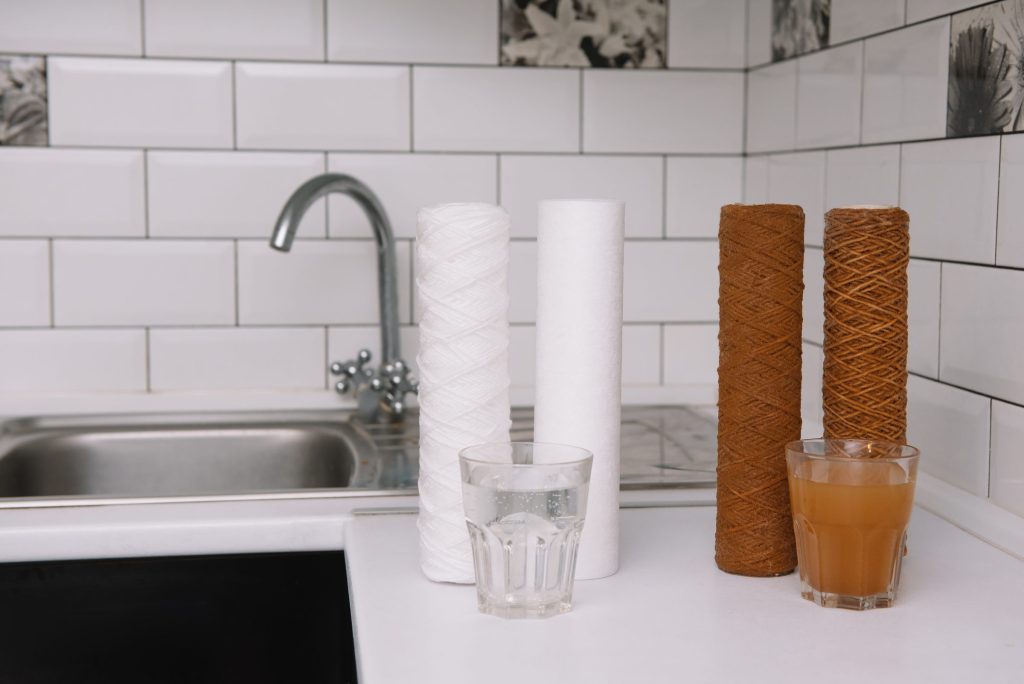
Changing the Water Filter: the Part Behind Three Different Ice Complaints
Slow ice, small cubes and a bad taste look like three failures and are frequently one $50 part past its life. Here is how to change it, reset the light, and read what happens next.
Read more -
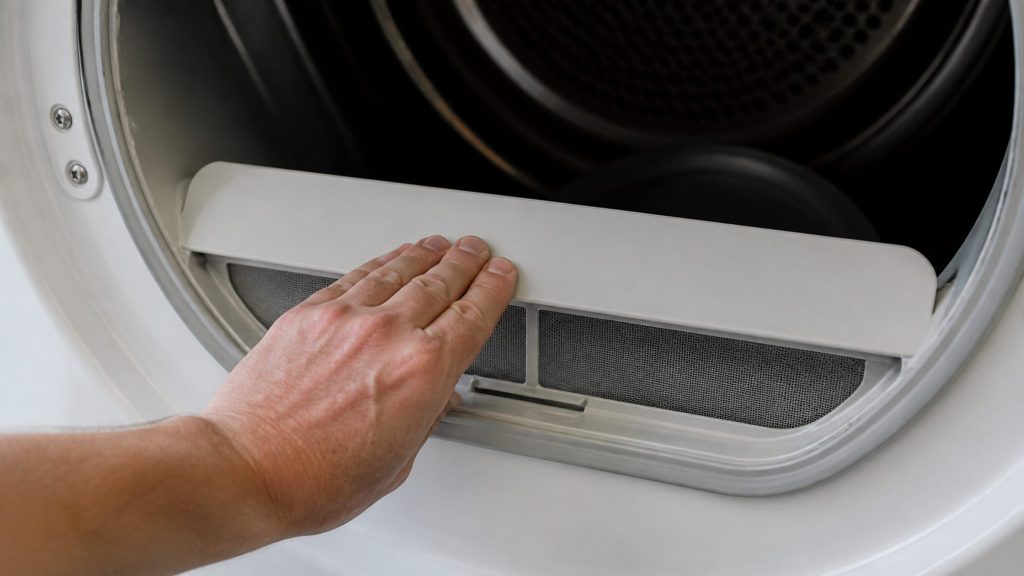
Dryer Maintenance for a Machine the Maker No Longer Sells Here
Fisher & Paykel lists no dryer for the United States today, and still sells laundry spare parts. That combination changes what maintenance is worth, and it is worth more.
Read more -

The Refrigerator Drain Line: Where the Water on Your Floor Actually Comes From
Most refrigerator leaks are not leaks. A blocked defrost drain backs water up into the cabinet and out under the door — and clearing it is ten minutes with warm water and no part at all.
Read more
Tell us the model number and what it is doing.
This article is based on:
- Official manufacturer documentation
- Internal repair procedures
- Technician repair history
- Company quality standards