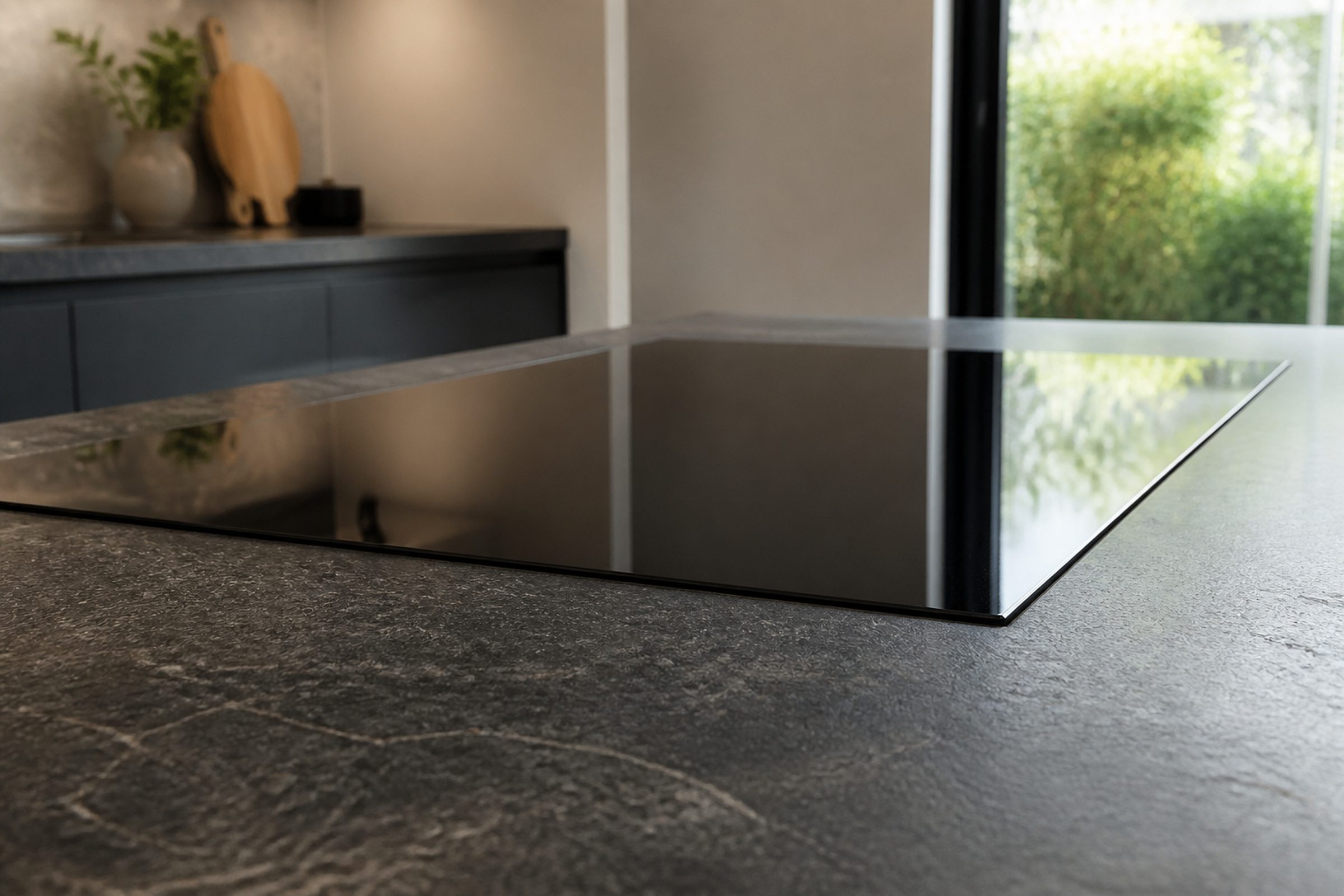
Appliance
Fisher & Paykel cooktops and rangetops
Forty-six machines and four different technologies under one word: seventeen induction cooktops, thirteen sealed gas, eleven professional rangetops, three electric and two teppanyaki plates. A rangetop is the top half of a professional range with nothing underneath it — the same grates, the same burners, the same repair — which is why it is on this page rather than a page of its own.
- 6 symptoms we are called out to
- From $95 diagnostic, credited to the repair
- 59 cities and neighborhoods covered
- OEM parts available on order
The short version
What this equipment is, for a repair
Configurations
Induction · SmartZone · Gas · Rangetops · Teppanyaki · Electric · 12" · 24" · 30" · 36" · 48"
Access
Planned before the visit, not discovered on arrival
Parts
OEM, available on order
Diagnostic
From $95, credited to the repair
What goes wrong with it
Symptoms we are called out to on Fisher & Paykel cooktops and rangetops
Each one covers the likely causes in the order they are worth checking, and what to do in five minutes before booking anything.
-
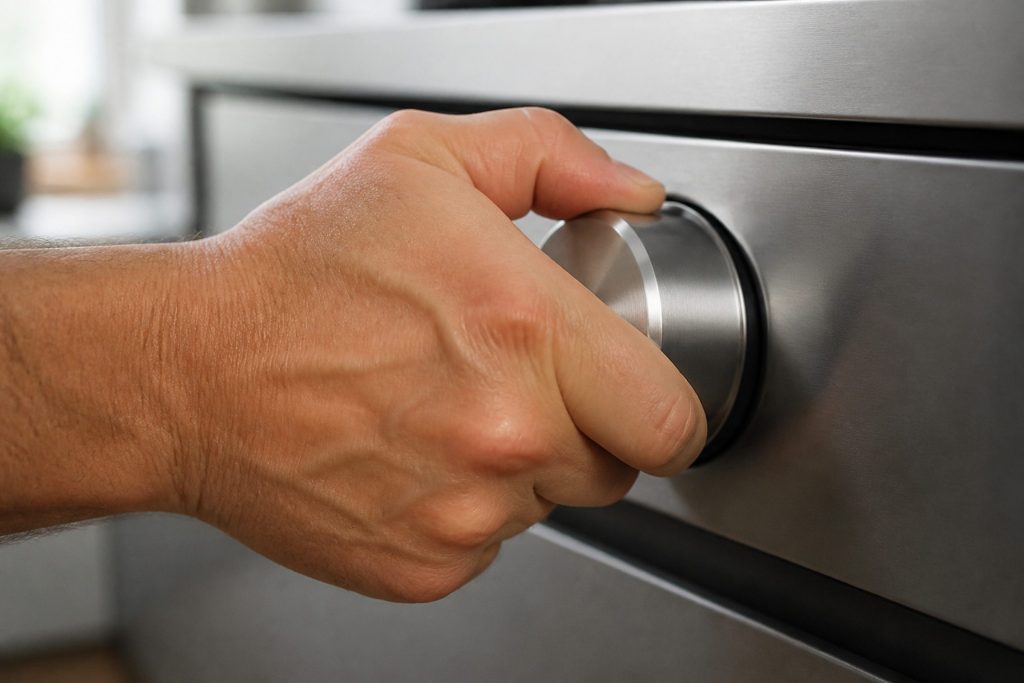
Stiff, not broken Cooktop dials difficult to turn
The complaint this maker's own cooktop owners raise more than any other — its article is linked from sixty-one models — and it is a maintenance repair rather than a breakdown. The one thing worth doing meanwhile is not forcing it.
- One dial stiffer than the rest, or all of them
- It got gradually harder over a year or two
- A dial that has started to feel gritty
-
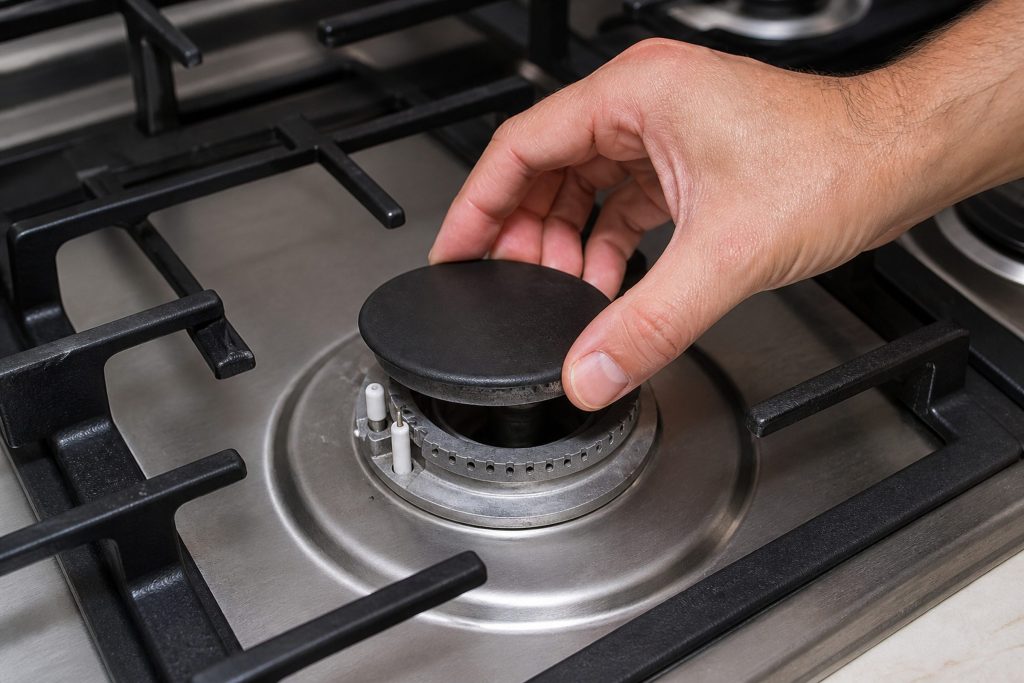
Sparking, no flame Burner clicks and will not light
A burner that sparks and never catches. The good news is in the symptom itself: if it is sparking, the ignition side is alive, and the problem is gas reaching the burner or the burner itself — which is very often something you can put right in five minutes.
- It clicks steadily and nothing lights
- It started right after the cooktop was cleaned
- One burner only, or all of them
-
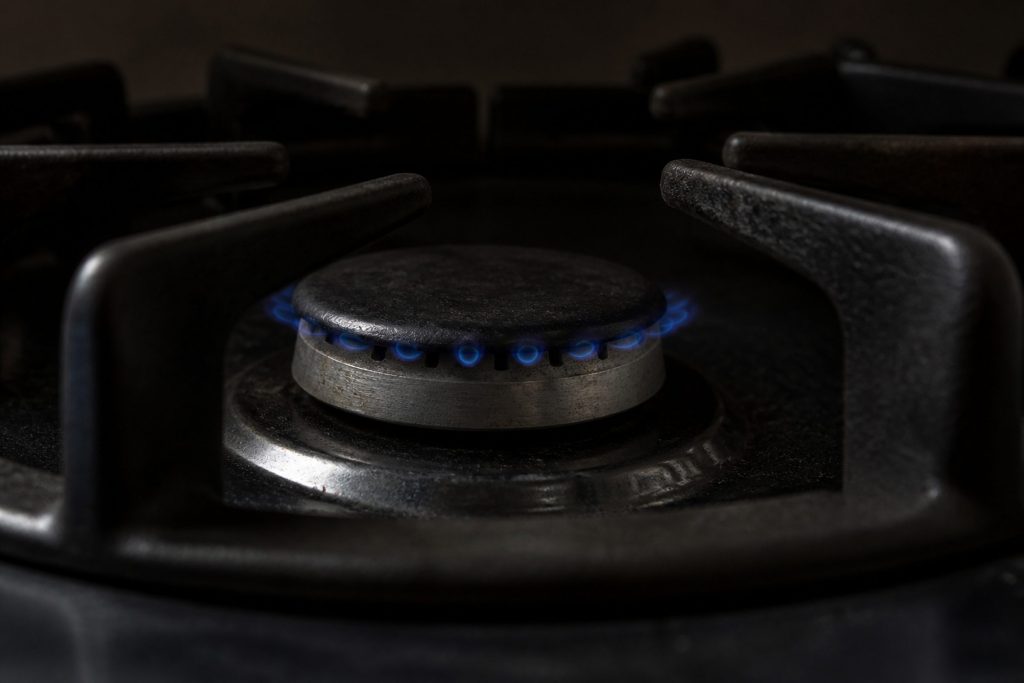
Holds high, dies at simmer Flame goes out on the low setting
The most-linked freestanding cooker article this maker publishes. A burner that is perfect on high and will not stay lit turned down is telling you something specific, and it is not the gas supply.
- Full flame is fine, simmer goes out
- It relights and then dies again
- It got worse over months
-
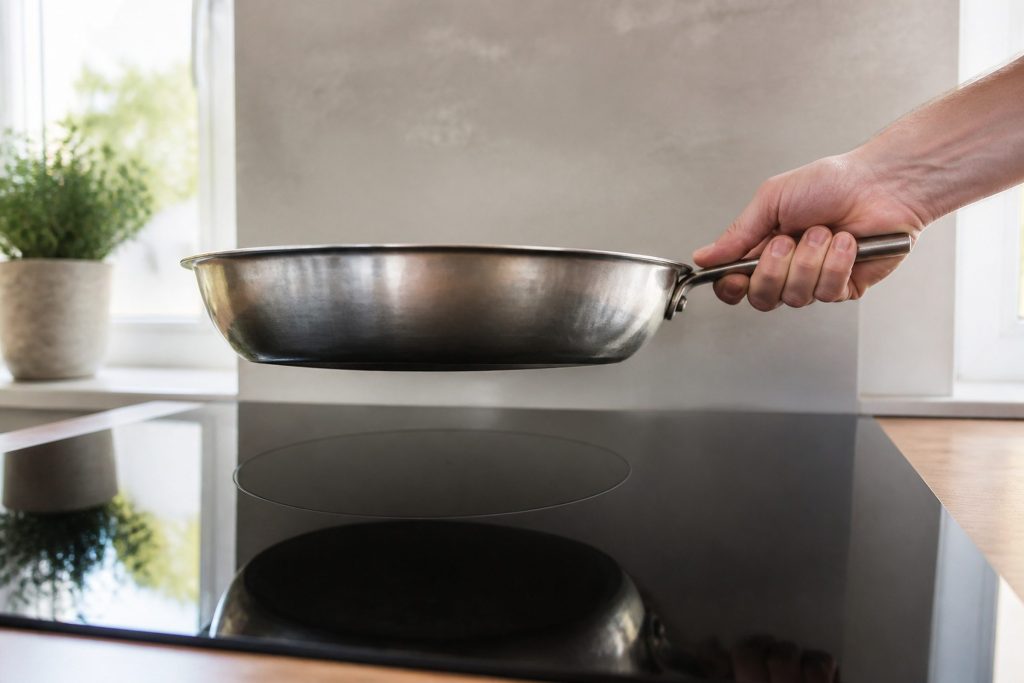
One zone, under load Induction zone cuts out during cooking
A zone that drops out mid-cook while the others carry on, usually at high power and usually after a while. That pattern is almost always heat and installation rather than the coil, and there are three free checks before anybody quotes a board.
- It happens at high power after several minutes
- The same zone every time
- The fan under the cooktop is running hard
-
No response at all Cooktop will not turn on
A cooktop with no lights and no response, or a touch panel that ignores everything. Four free causes before any part, and one of them — half a supply — is not an appliance problem at all.
- Completely dead, no lights
- The panel lights but nothing responds
- It started after other electrical work
-
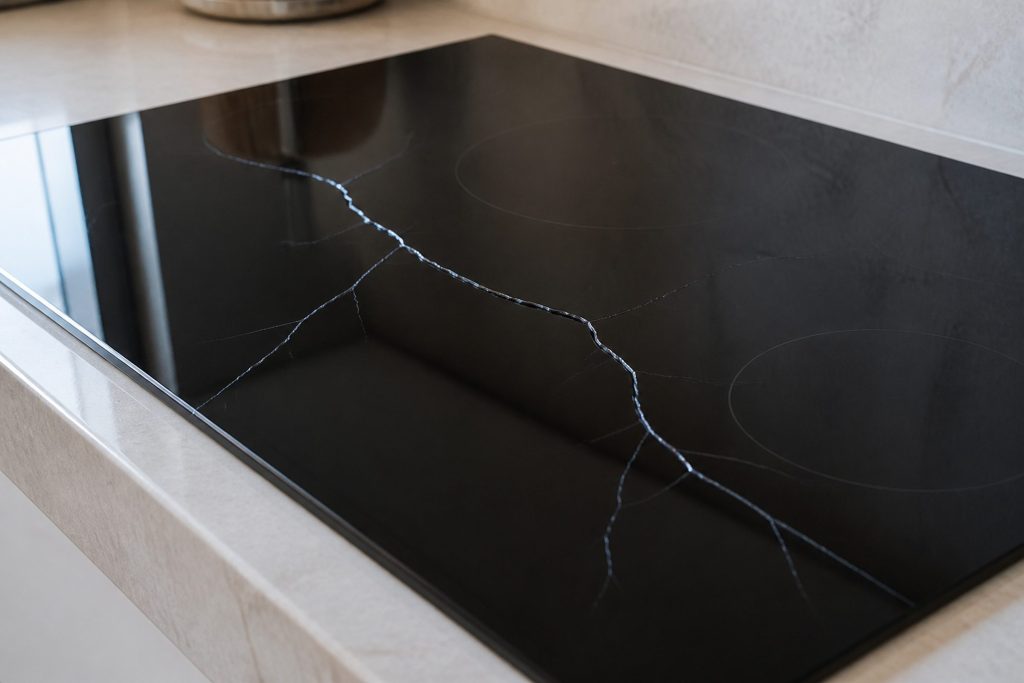
Stop using it Cracked cooktop glass
A crack, a chip or a shatter in an induction or radiant surface. This page is short and blunt because the advice is: switch it off at the wall and stop using it. It is a safety matter rather than a cosmetic one.
- A crack across or radiating from a zone
- A chip at the edge or around a control
- It happened when something was dropped
What we do on it
Repairs we carry out on Fisher & Paykel cooktops and rangetops
Starting figures for this equipment in South Florida. The exact cost is confirmed after an on-site diagnostic — and this is not the whole list of what can go wrong, so call if your problem is not here.
-
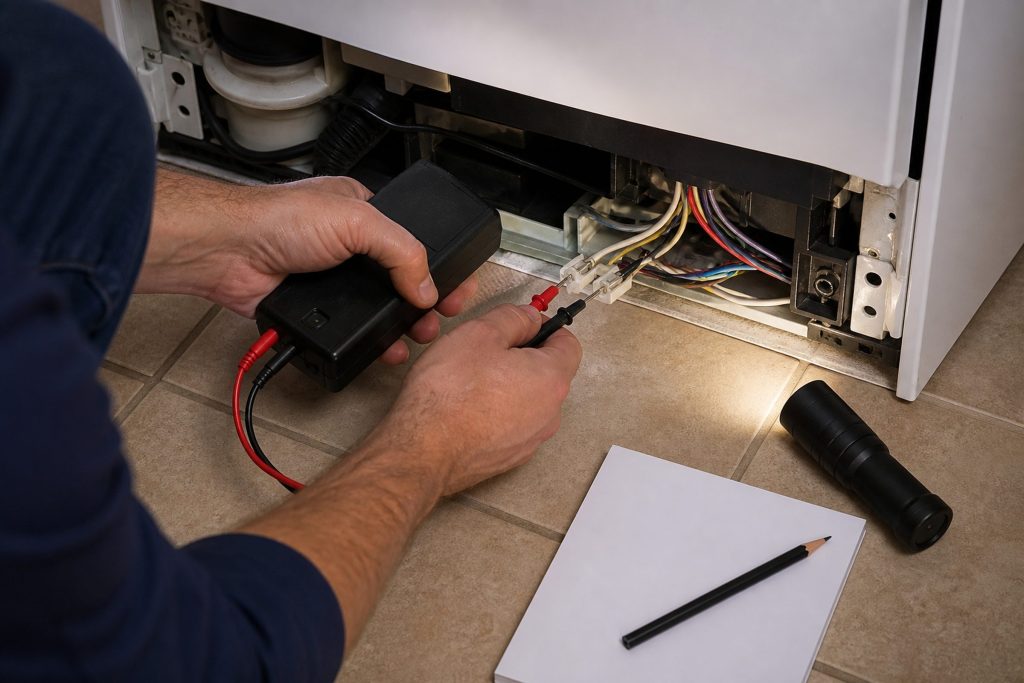
from $95 Diagnostic visit
We read what the appliance is reporting, then measure before saying anything about the repair. On this equipment that also means working out how the machine leaves its opening before anybody touches it. The fee is credited toward the work when you go ahead.
- The code or the light pattern read on site, before anything is cleared
- Measured rather than guessed
- Credited toward the repair
-
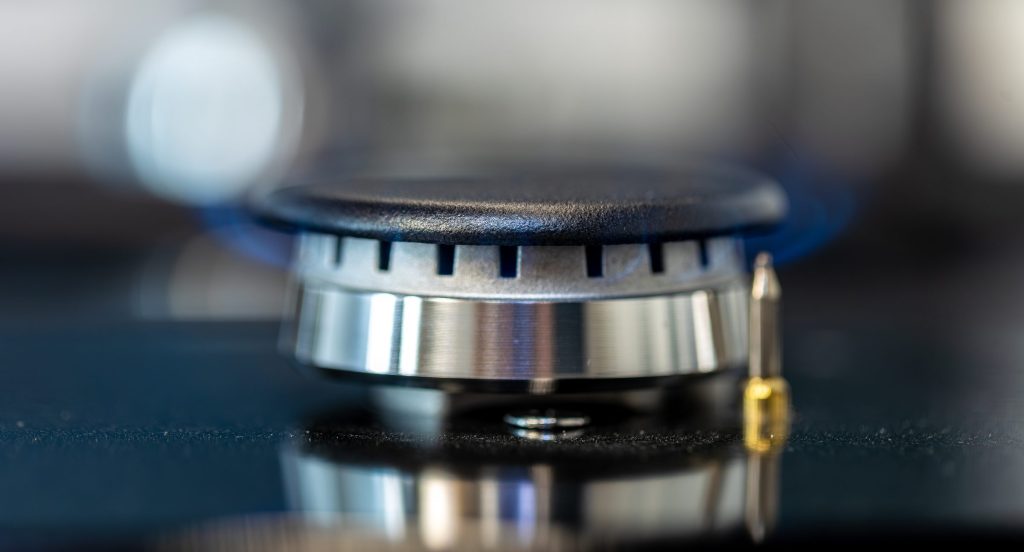
from $155 Range burner & ignition repair
A burner that clicks and will not light, lights and drops out, or holds on high and dies at simmer. Three complaints, three different answers — and on this maker the low-setting one is the article its own owners link most, which tells you where these machines actually fail.
- Spark, gas and flame sensing told apart before anything is ordered
- Caps and ports checked first — the commonest cause by a distance
- Thermocouples tested at a low flame, where they actually fail
-
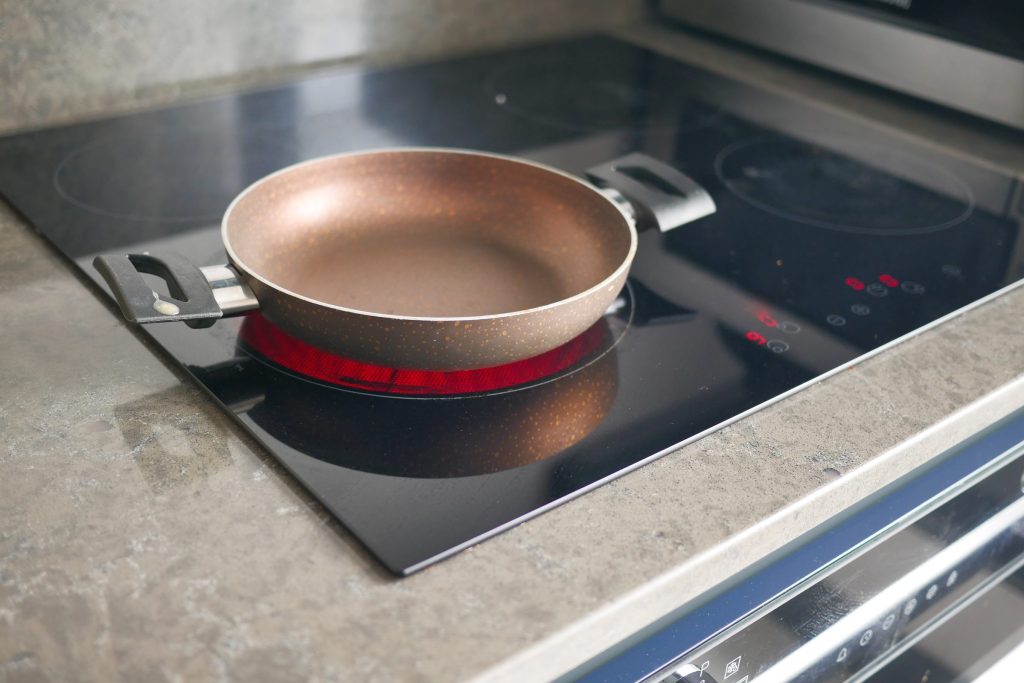
from $225 Induction cooktop repair
Seventeen induction cooktops and seven induction ranges, and one complaint above all others: a zone that cuts out under load while the rest carry on. That is usually heat and installation rather than the coil — which is why this visit starts by looking under the counter.
- Cabinet ventilation checked before a board is quoted
- The same zone tested with a different pan
- Er and E codes placed in the family the maker publishes
-
from $145 Cooktop control & dial repair
Dials that have become hard to turn, touch controls that stop responding, or a cooktop that will not switch on at all. The first of those is the maker's own most-linked cooktop article by a distance, and it is a maintenance repair rather than a breakdown — which is why this row is priced where it is.
- Stiff dials treated as valve-stem service, not a replacement
- Touch controls: wet hands, lock and sleep mode ruled out first
- A cooktop that will not start checked at the supply before the board
-
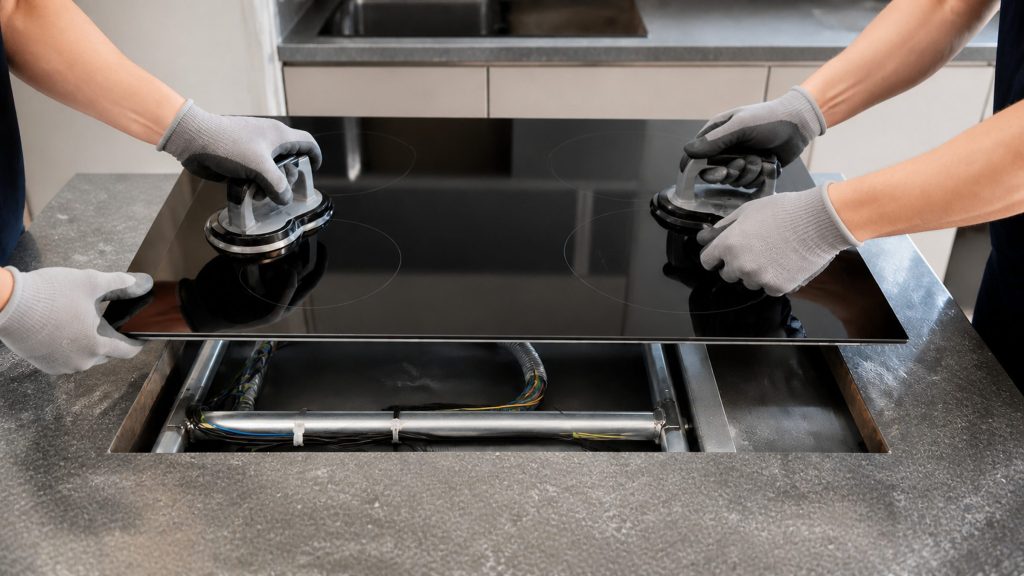
from $295 Cooktop glass replacement
A cracked or shattered induction or radiant surface. This one is a replacement rather than a repair and the page says so plainly, along with the part people least want to hear: stop using it and switch it off at the wall until it is done.
- A safety matter, not a cosmetic one
- Part availability confirmed before anything is committed
- The frame, seal and cabinet cutout checked with it
-
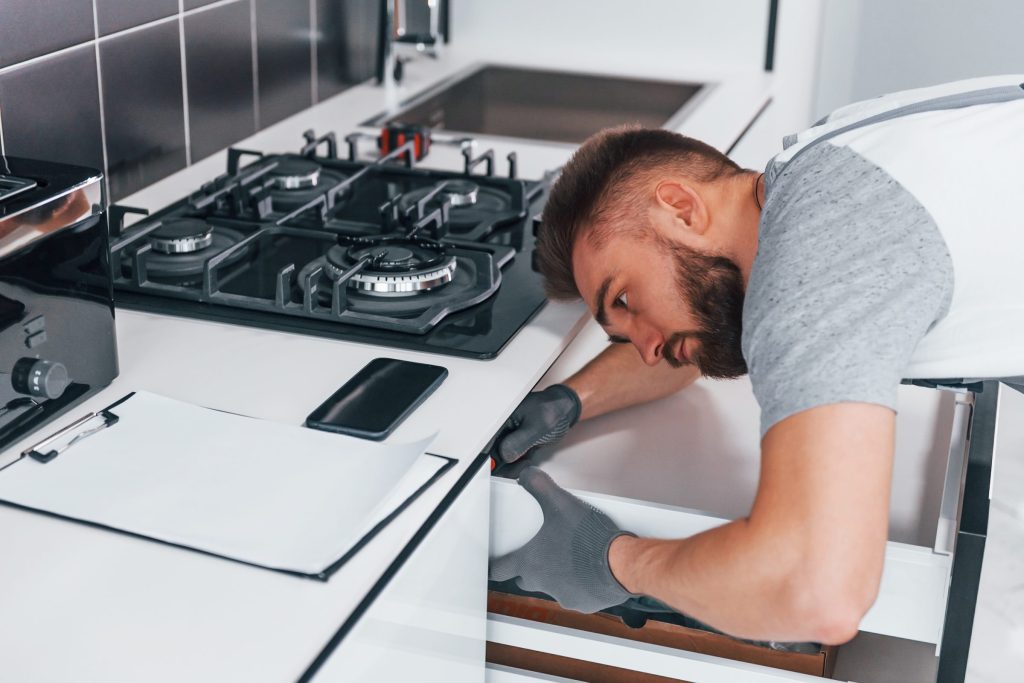
from $135 Appliance maintenance visit
The things this maker's own guides ask an owner to do, done properly and all at once: condensers, filters, seals, descaling, spray arms, ducts. Priced per visit rather than per appliance, which is what makes it worth doing on a kitchen where most of the machines come from one maker.
- Condenser and seals, which are the local weak points
- Steam ovens descaled, which nothing else here does
- One visit, several appliances, one travel charge
-
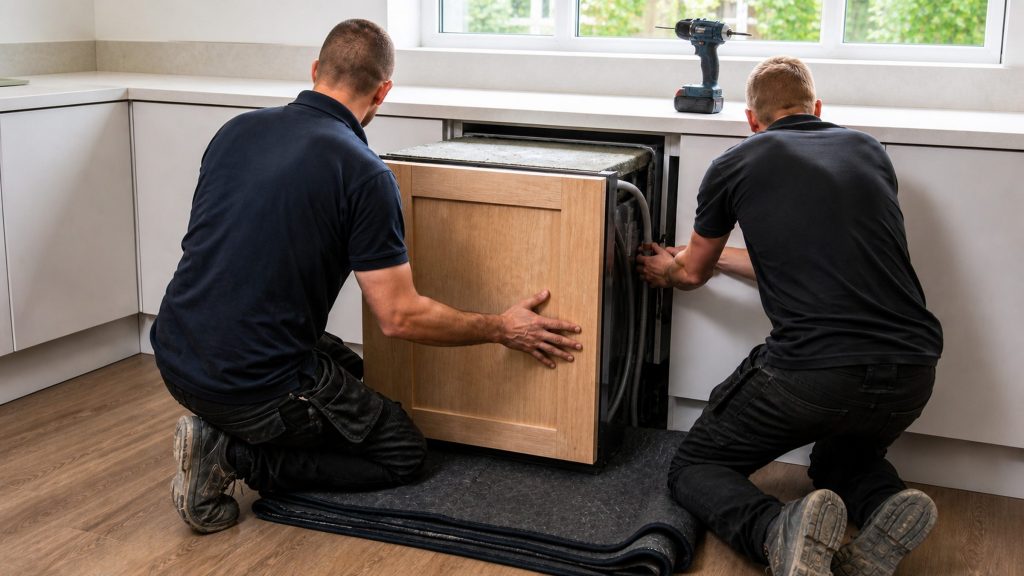
from $175 Appliance installation & re-fit
Putting a built-in machine back into the opening it came out of, aligning a cabinet panel so the kitchen looks right again, and connecting water where there is water. Not a delivery service — this is the re-install after a repair, a kitchen change, or a machine that was never fitted the way its own instructions asked.
- Fitted to the maker's own instructions, and we tell you what they said
- Cabinet panel alignment as a job in its own right
- Ventilation and clearance checked, because it causes later repairs
In more detail
About Fisher & Paykel cooktops and rangetops
Four technologies, one word
Forty-six machines: seventeen induction including SmartZone models that bridge two zones into one, thirteen sealed gas cooktops in natural gas and LPG versions, eleven professional rangetops, three electric and two teppanyaki plates. Twenty-two are the Professional style and twenty are Minimal.
Why rangetops are on this page
A cooktop drops into the counter with cabinets or an oven underneath. A rangetop is the top half of a professional range with nothing under it — the same heavy grates, the same burners, the controls on a front panel — designed to sit above a wall oven or a bank of drawers. They are repaired identically. If you are not sure which you have: a rangetop has a raised back and front-panel controls; a cooktop is flush with the counter.
What goes wrong
- Stiff dials, the maker's most-linked cooktop complaint, and a maintenance repair.
- Ignition on gas: no spark, spark without flame, or a flame that will not hold at low.
- Induction zones cutting out, which is usually cooling and installation rather than the coil.
- Touch controls not responding — wet fingers, a lock, or the control itself.
- Cracked glass, which on induction and radiant surfaces is a replacement rather than a repair, and which the maker treats as a safety matter: stop using the cooktop.
- Fan noise, which on an induction machine is the cooling fan and is a sign worth listening to.
What this maker does not publish for a cooktop
A code table. Not one of the forty-six user guides carries a chapter of cooktop codes — the induction guides say the cooktop "displays an error code" and to give it to a technician, and stop there. The families above come from the maker's support articles rather than its guides. Anyone offering you a full Fisher & Paykel cooktop code list is not reading it off the maker's own paper.
This article is based on:
- Official manufacturer documentation
- Internal repair procedures
- Technician repair history
- Company quality standards
Before you book
Questions about Fisher & Paykel cooktops and rangetops
My dials have become hard to turn.
This is the maker's most-linked cooktop article by a distance, and it is a maintenance problem far more often than a broken one. The valve stems under the dials carry a grease that stiffens when cooking residue works past the seal, which in a kitchen that cooks daily takes a few years. It is a repair we do regularly and it is not an alarming one. What it is worth doing meanwhile is not forcing a stiff dial — a snapped stem is a much bigger job than a stiff one.
One induction zone stops mid-cook and the others are fine.
That is heat, not the coil, in most cases. Each induction position has a power board under it, those boards make heat of their own, and they are cooled by a fan pulling air through the cabinet. In a sealed island in a Miami kitchen there is often nowhere for that air to come from. Check that the cabinet has the ventilation the installation instructions asked for, that nothing is stored tight underneath, and whether the same zone fails with a different pan. If it happens on one zone with everything clear, that zone's board or its sensor is the repair.
What does an Er code on an induction cooktop mean?
The maker groups them rather than publishing one meaning per number: Er03, Er22 and Er31 are control panel; Er47, EA and E9 are communication or sensor; E2, E6, U400 and E8 are temperature or power; Er20, E4 and AE0 are internal. Its instruction for all of them is the same — power off at the supply, wait a minute, restart, and book a repair if it returns. A plain E or Er with nothing after it is a different thing again: the electronics have overheated and shut down, which is usually about airflow around the installation.
Ignitors click but the burner will not light.
Sparking means the ignition side is alive, so the problem is gas reaching the burner or the burner itself. In order of likelihood: a cap or crown seated wrong after cleaning, ports blocked, moisture in the burner after a spill or a wash, and only then the valve. A burner that has just been cleaned and will not light is the commonest version of this call and usually the quickest to put right.
What is a teppanyaki cooktop, and can it be repaired?
A flat, thick metal cooking plate heated from below rather than a set of burners or zones — this maker builds two of them as auxiliary units meant to sit beside a main cooktop. They are repaired like an electric cooking surface: element, sensor, control. What is specific to them is that the plate itself is the cooking surface, so scratches, warping and discoloration are cosmetic questions with real answers rather than repairs, and we will tell you plainly which side of that line yours is on.
Where we do it
Across Miami-Dade, Broward, and Palm Beach
Same terms everywhere we go: an on-site diagnostic first, the price agreed in writing, and the exact figure confirmed once we have seen the unit.
Neighborhoods people ask for by name