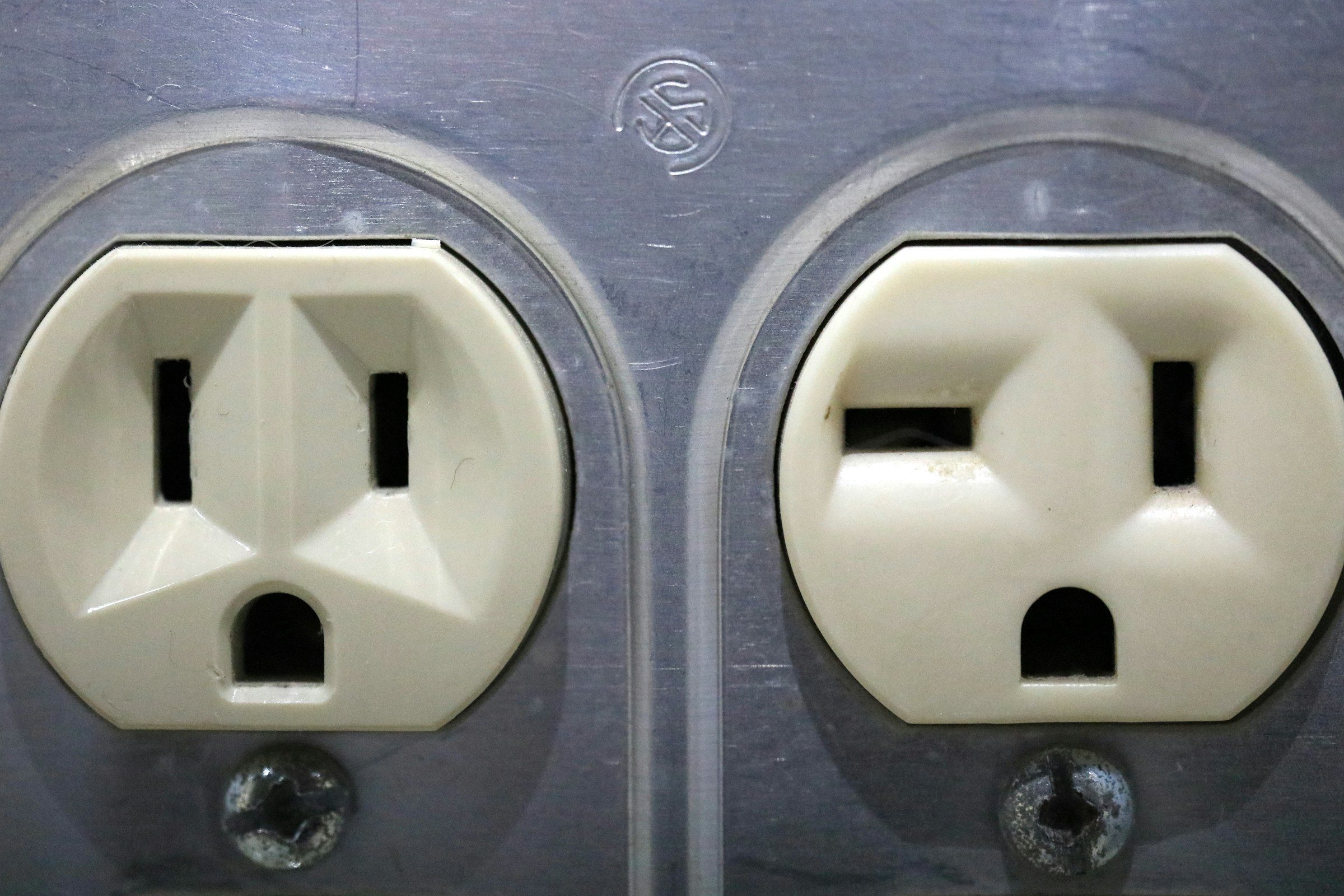
Safety & Risks
Can a Refrigerator Start a Fire? The Honest Answer and the Four Warning Signs
Yes, rarely. A refrigerator is one of the few appliances in a house that runs continuously for a decade or more, and the things that make it a fire risk are electrical rather than exotic: a compressor start relay that has been failing for months, a scorched connection at a plug or a terminal block, a damaged supply cord, or a control board that has been arcing quietly. None of that happens without warning, which is the useful part. Four signs are worth acting on the same day: a burning or hot-plastic smell coming from the machine, a breaker that trips when it runs, visible scorching or brown discoloration at a plug, socket or terminal, and a compressor housing that has become noticeably hotter or is running continuously without the cabinet reaching temperature. If you smell burning, switch the circuit off at the electrical panel — not at the control panel, which only stops the cooling, and not by pulling the plug, which can arc.
The full guide
Can a refrigerator start a fire: yes, rarely, and not without warning
The question gets answered two ways online — either with alarm or with a flat no — and neither is much use to somebody standing in a kitchen wondering whether to worry.
The accurate answer is: rarely, and almost never without notice. A refrigerator is unusual among household appliances in that it runs continuously for ten or fifteen years. Nothing else in the kitchen does that. Over that time, electrical connections loosen through thermal cycling, relays wear, cords harden, and dust settles on things that get warm.
None of that is sudden. Which means the useful part of this page is not the statistic — it is the list of things you can actually notice.
The four signs worth acting on
:::
A burning smell, or the smell of hot plastic. Not food, not the faint warm-dust smell of a heater doing its job on a cold morning. A sharp, acrid, plastic smell coming from the machine or from behind it.
A breaker that trips when the appliance runs. A breaker is a safety device reporting something. Repeatedly resetting it to see whether it holds is how a warning becomes an incident.
Scorching or brown discoloration at the plug, the socket, or a terminal block behind the machine. Brown is heat. Heat at a connection means resistance where there should be none.
A compressor that has become noticeably hotter, or runs continuously without the cabinet reaching temperature. On its own this is usually a dirty condenser or a failing start relay rather than a fire risk — but it is the condition under which a marginal electrical component becomes a hot one.
What to do in the first minute
:::
If you smell burning from an appliance:
- Switch the circuit off at the electrical panel. Not at the appliance's own control panel, which only stops the cooling and leaves everything live. Not by pulling the plug, which can arc at a connection that may already be damaged.
- Leave it off and let the machine cool.
- Look, once it is dead: at the plug, the socket, the cord and — if you can reach it safely — the compartment where the compressor lives.
- Call somebody before restoring power. A refrigerator can stand a day off far more cheaply than a kitchen can stand the alternative.
What is actually behind it, when it is real
In our experience the electrical failures on a refrigerator that matter are unglamorous:
- the compressor start relay, which fails progressively and gets hot doing it;
- a connection at a plug or terminal that has loosened and is now heating every time the compressor starts;
- a fan motor with a seizing bearing, drawing more current than it was designed to and running hot;
- a supply cord damaged where the machine was pushed back against it — which, on a built-in appliance fitted into an opening cut for it, is a real possibility;
- dust and debris on hot components in the machine compartment.
Notice that four of the five are about connections and current rather than about refrigerant or about the cooling system. That is the pattern.
The one thing an owner can genuinely prevent
Keep the condenser clean.
Not because a dirty condenser starts fires — it does not. Because it makes the compressor run longer and hotter for the same result, and running longer and hotter is the condition under which a tired relay or a loose terminal turns into a hot one. In South Florida, in a house within a few blocks of the water, a condenser collects salt with its dust and needs looking at more often than the general advice suggests.
:::
It is also, separately, the cheapest thing you can do for the machine's life and your electricity bill.
What not to do
- Do not keep resetting a breaker that trips against the same appliance.
- Do not run a refrigerator from a household power strip. Those are not built for a compressor's starting current, and the strip becomes the hazard.
- Do not ignore a smell because the appliance still works. A refrigerator that is cooling perfectly and smelling of hot plastic is telling you about something that has nothing to do with cooling.
If it turns out to be a repair
What this leads to, and what it costs
Every job on this site is priced the same way: an on-site diagnostic first, the figure agreed in writing before anybody starts.
-
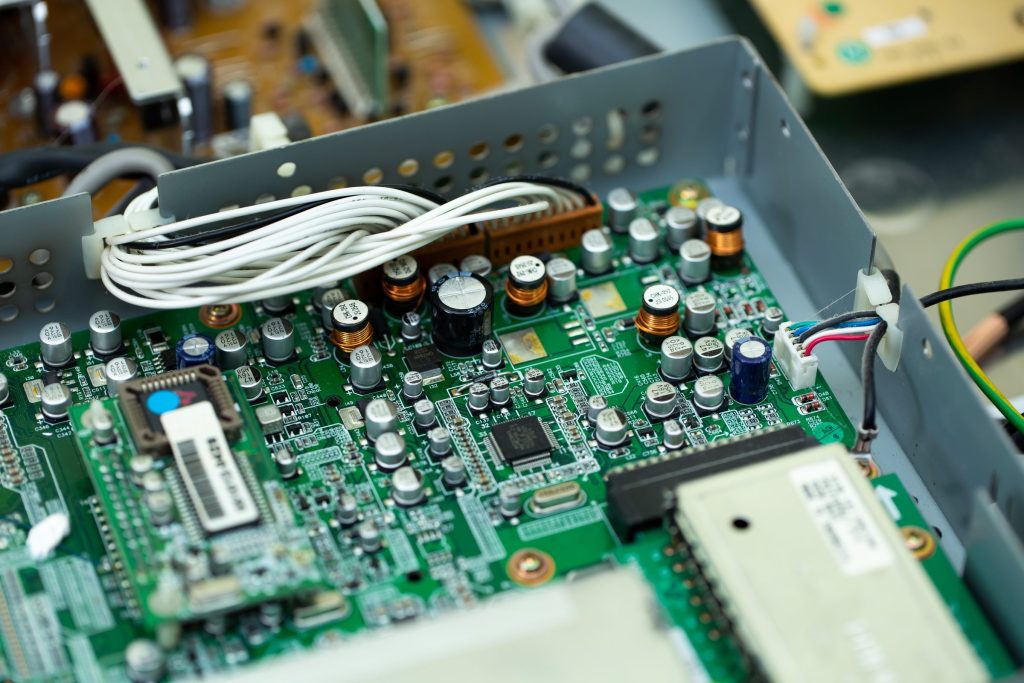
from $195 Refrigerator control & sensor repair
A cabinet that reports an error, holds the wrong temperature while insisting it is right, or will not respond to its controls at all. On this maker the reporting is beeps and flashing LEDs rather than a number on a screen, and reading it correctly is a real part of the job.
- The beep count or LED pattern read before anything is cleared
- Sensors measured against temperature, not swapped on suspicion
- Board quoted last, and only when the sensor side is proved good
-
New sounds, not loud ones Refrigerator making an unfamiliar noise
These machines are quiet, which means a new sound stands out — and the maker publishes articles on gasket noise, fan noise and ice maker noise because most of what gets reported is normal. What matters is whether the sound is new, not whether it is loud.
- A creak or suck when the door opens
- A fan that has become louder
- Knocking or grinding during ice harvest
-
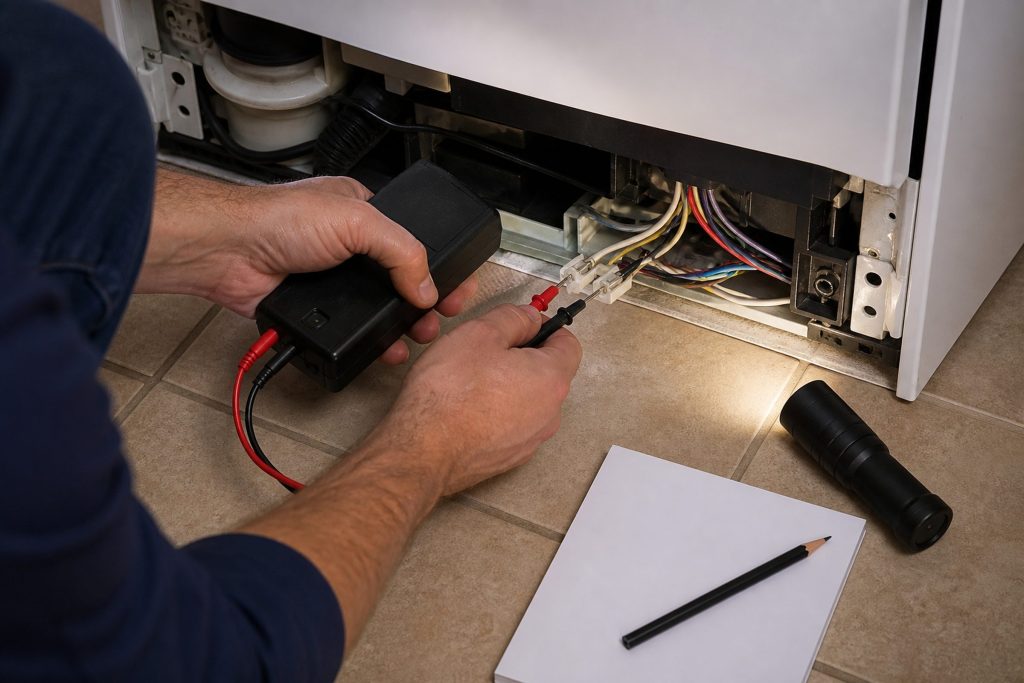
from $95 Diagnostic visit
We read what the appliance is reporting, then measure before saying anything about the repair. On this equipment that also means working out how the machine leaves its opening before anybody touches it. The fee is credited toward the work when you go ahead.
- The code or the light pattern read on site, before anything is cleared
- Measured rather than guessed
- Credited toward the repair
Questions people ask about this
Why not just pull the plug?
Because pulling a plug under load can arc, and if the connection is already damaged — which is exactly the situation you are worried about — that is the worst moment to disturb it. Switching the circuit off at the panel removes the power first and leaves the connection alone.
What does a burning smell from a refrigerator actually mean?
Usually something electrical getting hot: a start relay, a fan motor with a seized bearing drawing more current than it should, a connection that has loosened and is heating, or dust and debris on a hot component. It is not the smell of food. If the smell is warm and dusty on the first cold morning of the season, that is a heater burning off dust and is different — but it should clear within an hour.
The breaker trips sometimes. Is that the refrigerator?
It might be, and it is worth taking seriously either way. A breaker that trips when a specific appliance starts is doing its job about something. Do not keep resetting it to see what happens: repeated resets against a real failure are how a nuisance becomes an incident. Have the appliance and the circuit looked at.
Is an old refrigerator more dangerous?
Somewhat, for ordinary reasons rather than dramatic ones. Connections loosen with thermal cycling, insulation on cords hardens, relays wear, and dust accumulates on things that get warm. A machine past fifteen years deserves a look at its plug, its cord and its condenser compartment even if nothing is wrong with the cooling.
Does keeping it clean actually help?
Yes, and it is the one preventive thing an owner can do that touches this directly. A condenser packed with dust and, in a coastal house, salt makes the compressor work harder and run hotter for longer. That is not a fire on its own — it is the condition under which a marginal component becomes a hot one.
Should I use a surge protector?
For a refrigerator in a storm-prone place, a refrigeration-rated surge protector with a restart delay is a reasonable thing to have, and it protects the control board more than it protects against fire. What it must not be is a general household power strip: those are not built for a compressor's starting current, and a strip carrying a refrigerator is itself a hazard.
Safety & Risks
More guides like this one
-

Refrigerant Leak in a Refrigerator: the Signs, the Real Risk, and the Right Response
A sealed system is sealed. If it is short of refrigerant it leaked, and topping it up sends the same amount out of the same hole. Here is what a leak actually looks like from the kitchen.
Read more -
Mold in the Refrigerator Drip Pan: Where It Grows and How to Clear It
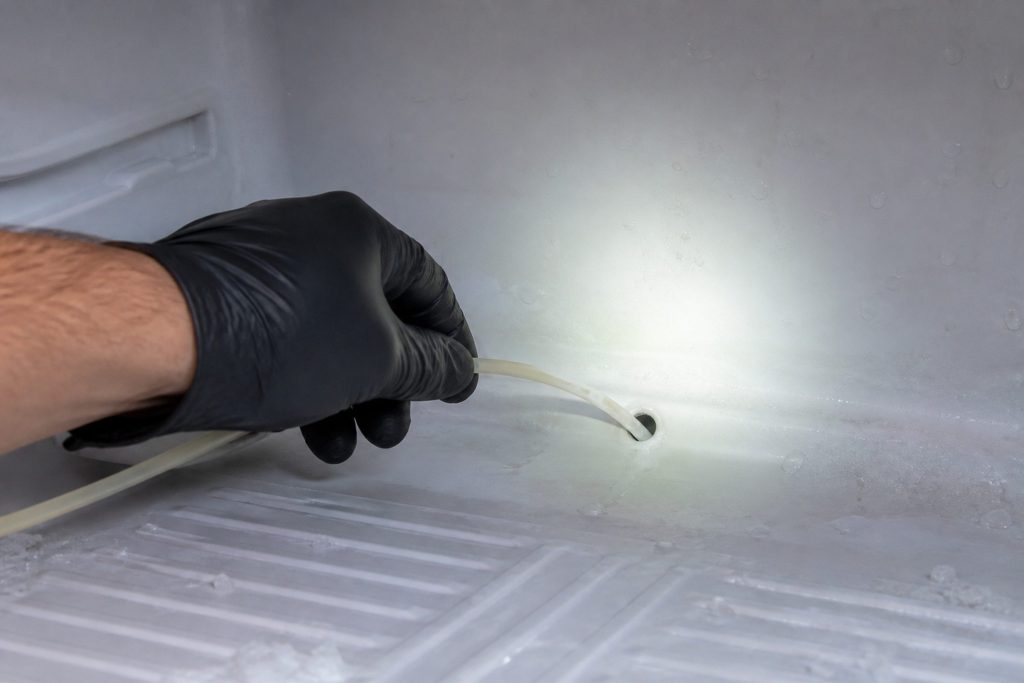
Everybody cleans the shelves. Almost nobody cleans the pan under the machine or the drain line into it — which in eight humid months a year is where the smell actually comes from.
Read more -
Grease Fire on a Cooktop: the Thirty Seconds That Decide It
Lid on, heat off, do not move the pan, never water. Everything else is written for somebody with time to read, and in this situation nobody has any.
Read more
Tell us the model number and what it is doing.
This article is based on:
- Official manufacturer documentation
- Internal repair procedures
- Technician repair history
- Company quality standards