
Cost Expectations
How Much Does a Refrigerator Repair Cost, and What Actually Moves the Number
Three things decide it. The component: a temperature sensor is the cheapest part in a refrigerator and a sealed-system repair is the most expensive thing on the list, and they are the two ends of the same complaint. The access: an evaporator fan in a freestanding French door machine and the same fan in an integrated column fitted into millwork cut for it are the same part and not the same appointment, and on this maker twenty-four of fifty-one refrigeration models are integrated. And whether it is a part at all: a condenser packed with salt and dust, a door that no longer seals, or a control that needed a full minute at the breaker all produce a machine that is not cooling, and all three end at the diagnostic fee. Researched market ranges for South Florida put defrost and fan work at roughly $180 to $450 and sealed-system work at roughly $600 to $1,500, both parts and labor. No honest figure exists before somebody has looked at the machine.
The full guide
How much does a fridge repair cost: the question under the question
Nobody types this because they want a table. They type it because they are trying to decide something — whether to call anybody at all, whether the machine is worth keeping, or whether the figure they have just been given is reasonable.
So this page is about the three things that move the number, rather than a list of prices that would be wrong for your machine anyway.
:::
One: which component
A refrigerator that is not cooling has six ordinary explanations, and they are not close together in price.
- A dirty condenser. The cheapest, and in South Florida the commonest. A machine within a few blocks of the water collects salt with its dust, and a condenser that cannot shed heat runs and runs without arriving. Frequently this ends at the visit fee.
- A door that no longer seals. Also cheap. It causes frost, drifting temperatures and a compressor that never stops — three complaints, one gap you can find with a sheet of paper.
- A temperature sensor. The least expensive part inside the machine, and the cause of a surprising share of "it says 37 and the milk is frozen".
- An evaporator fan or a damper. Ordinary parts. This is where most genuine "not cooling" calls end.
- The defrost circuit — heater, sensor, or the control that runs the cycle. The classic gradual failure, which is why the complaint is usually "it got worse over weeks".
- The sealed system. Compressor, condenser, evaporator, tubing. The most expensive thing on the list and by some distance the rarest.
A diagnosis that arrives at the last one should have excluded the first five by measurement, and you should be shown what was measured.
Two: how the machine comes out
This is the variable people never anticipate, and on Fisher & Paykel it matters more than on most makes.
Every freezer and every wine cabinet in this line is integrated. So are twenty-four of the fifty-one refrigeration models. Integrated means the front you see is your own cabinetry, hung on the appliance and carrying its own weight; the machine is fitted into an opening cut for it; and the water line and the electrical connection sit behind it.
Some repairs on an integrated machine are reachable from the front and cost no more than they would on a freestanding one. Others need the panel off and the appliance forward, and that is real work — planned at the diagnostic rather than discovered halfway through.
No repair should be priced higher because the appliance was expensive. It should be priced higher when the appliance is harder to reach, and the two get confused constantly.
Three: whether it is a part at all
A good share of what arrives as "the refrigerator is broken" is not a repair:
- a condenser nobody has cleaned in six years;
- a door held a few millimeters open by a bottle in a shelf;
- a vent inside the cabinet buried under a full shelf;
- a control that locked up in a power cut and comes back after a full minute at the breaker — sixty seconds, not a flick.
All four are free. All four are worth doing before anybody is called. And if that is what it turns out to be, the visit fee is the whole cost and you should be told what to do so it does not happen again.
The market, and where our figures sit in it
Researched ranges for South Florida, parts and labor together:
| Work | Market range |
|---|---|
| Diagnostic or service call | $59 – $129 |
| Defrost, fan and damper work | $180 – $450 |
| Door, hinge and gasket work | $140 – $350 |
| Ice maker work | $150 – $400 |
| Sealed system | $600 – $1,500 |
Those are the market's numbers rather than ours, published so a starting figure can be read in context. Our own are on the cost pages, and every one of them is a from.
Repair or replace
The honest version of this decision is not a rule of thumb about percentages. It is three questions:
- What is the cabinet worth to replace, including the kitchen? An integrated column is an appliance job and a cabinetry job. A freestanding machine is a delivery.
- What has already failed, and what is likely next? A sealed-system repair on a machine whose fans and boards are also a decade old is a different proposition from one on a five-year-old cabinet.
- Is the part available? On an older machine this is the question that decides it, and it should be answered before you have committed to anything rather than after a week of waiting.
:::
Any company that answers all three the same way for every customer is not answering them.
If it turns out to be a repair
What this leads to, and what it costs
Every job on this site is priced the same way: an on-site diagnostic first, the figure agreed in writing before anybody starts.
-
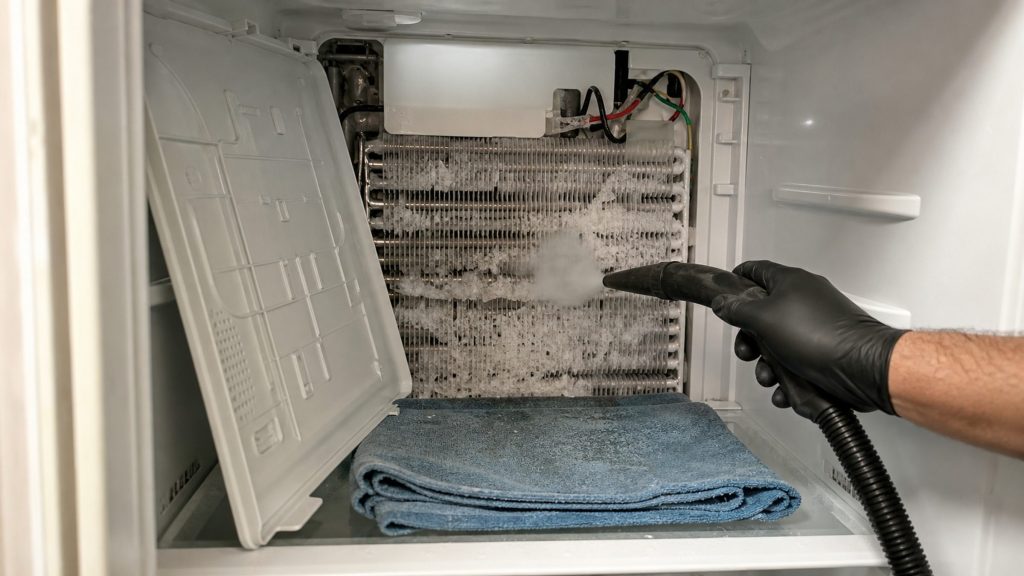
from $185 Refrigerator cooling & defrost repair cost
Fans, dampers, defrost heaters and sensors — the ordinary parts behind almost every "it is not cooling" call. The figure carries the access on an integrated column, because that is where the time actually goes.
- Researched market range for South Florida: defrost and fan work $180–$450
- Airflow and the condenser checked before anything is opened
- Integrated access planned at the diagnostic
-

from $650 Refrigerator sealed system repair cost
The highest figure on this site, quoted last and only after everything cheaper has been measured out. On some cabinets it is straightforwardly worth doing and on others it is not, and you get the arithmetic rather than a sales pitch.
- Researched market range for South Florida: sealed system $600–$1,500
- EPA-certified refrigerant handling
- An honest view on whether the cabinet is worth it
-
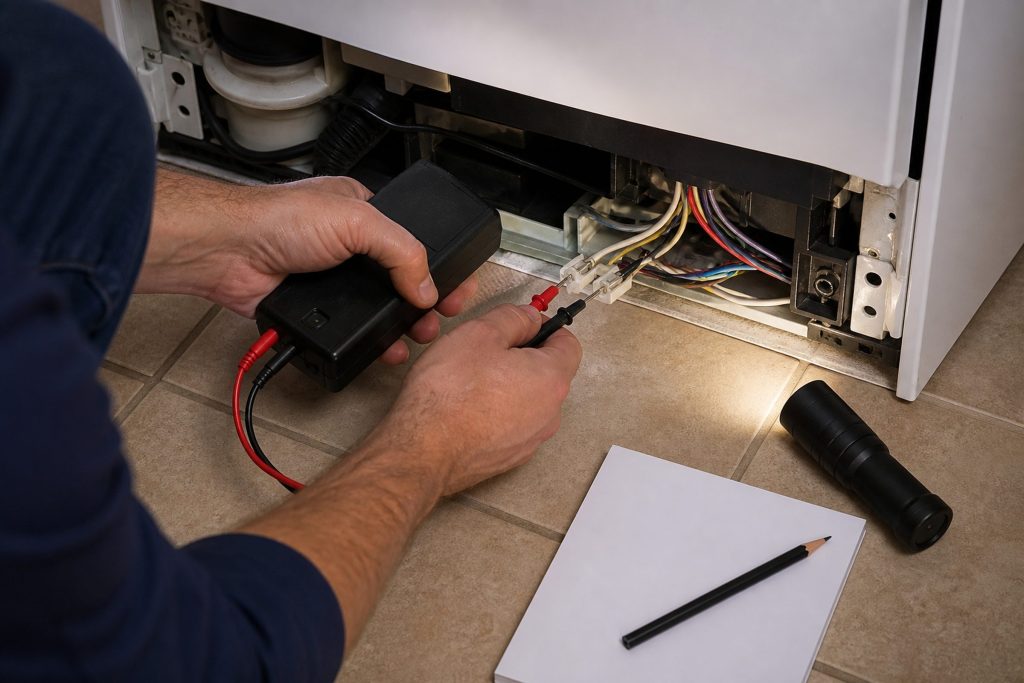
from $95 Diagnostic visit
We read what the appliance is reporting, then measure before saying anything about the repair. On this equipment that also means working out how the machine leaves its opening before anybody touches it. The fee is credited toward the work when you go ahead.
- The code or the light pattern read on site, before anything is cleared
- Measured rather than guessed
- Credited toward the repair

Questions people ask about this
Why will nobody give me a price over the phone?
Because the same symptom has several ordinary causes hundreds of dollars apart, and only the appliance settles which one is yours. A refrigerator that is not cooling is a condenser, a fan, a damper, a defrost circuit, a sensor or a sealed system — six answers spanning $95 to $1,500. A phone price is either padded to cover the worst case or too low to honor once the panel is off.
Is a built-in refrigerator more expensive to repair?
Often, and the reason is worth being precise about: it is the access rather than the badge. The component is frequently the same one you would find in a mass-market machine. What differs is that a cabinet panel comes off, the appliance comes forward out of an opening cut for it, and the water line and electrical connection sit behind it. That is planned time and it belongs in the written figure rather than in a surprise.
When is it not worth repairing?
When the repair approaches what the cabinet is worth, and that arithmetic depends entirely on the cabinet. A sealed-system job on a 30-inch integrated column is straightforwardly worth doing, because the alternative is an appliance and a cabinetry job. The same repair on a fifteen-year-old freestanding machine usually is not. You should be given that arithmetic before anything is ordered, including when it costs the company the work.
What is the cheapest outcome?
The visit and nothing else, and it happens more often than people expect. A condenser cleaned, a door adjusted, a vent unblocked, or a control that came back after a full minute at the breaker. Those end at the diagnostic and you should be told plainly what happened and how to stop it happening again.
Does the diagnostic really come off the bill?
On any job we carry out, yes. If you decide not to go ahead, you pay the diagnostic and nothing else — and you leave knowing what is wrong with the appliance and roughly what putting it right would take, which is worth having either way.
Are the ranges on this page your prices?
No — they are researched market ranges for the same work across South Florida, published so you can see where a starting figure sits inside the market. Our own starting figures are on the cost pages. Neither is a quote: the exact cost is confirmed after an on-site diagnostic and agreed in writing before anything is opened.
Cost Expectations
More guides like this one
-

Wine Cooler Repair Cost: When Two Degrees Is Worth a Service Call
For a cabinet whose whole function is holding a narrow band, two degrees is a symptom rather than a rounding error. What it costs depends on one question: one zone, or both.
Read more -
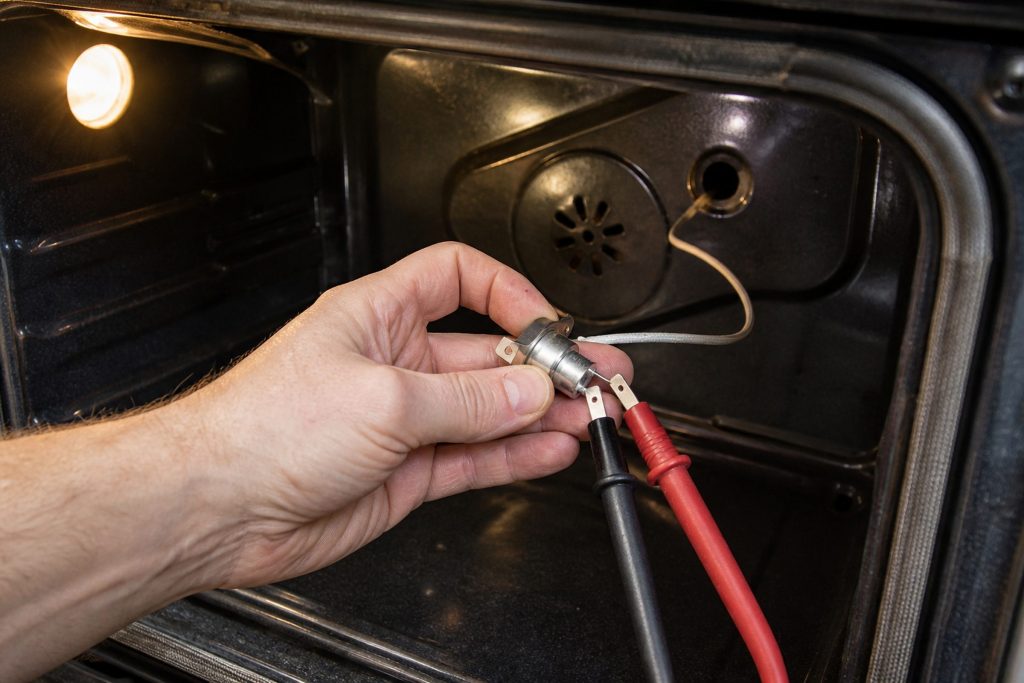
Oven Thermostat and Sensor Replacement: the Cheapest Part, the Commonest Cause
An oven that runs hot, runs cold or browns unevenly is almost always the sensor, and the sensor is the least expensive part in the oven. Measuring it first is what keeps a control board off your invoice.
Read more -

Cracked Glass Cooktop: Replacement Cost, and Why There Is No Repair
Nothing fills a crack in a cooking surface and survives the heat. The glass is a barrier as well as a surface, which is why this is a replacement and why the first advice is to switch it off at the wall.
Read more
Tell us the model number and what it is doing.
This article is based on:
- Official manufacturer documentation
- Internal repair procedures
- Technician repair history
- Company quality standards