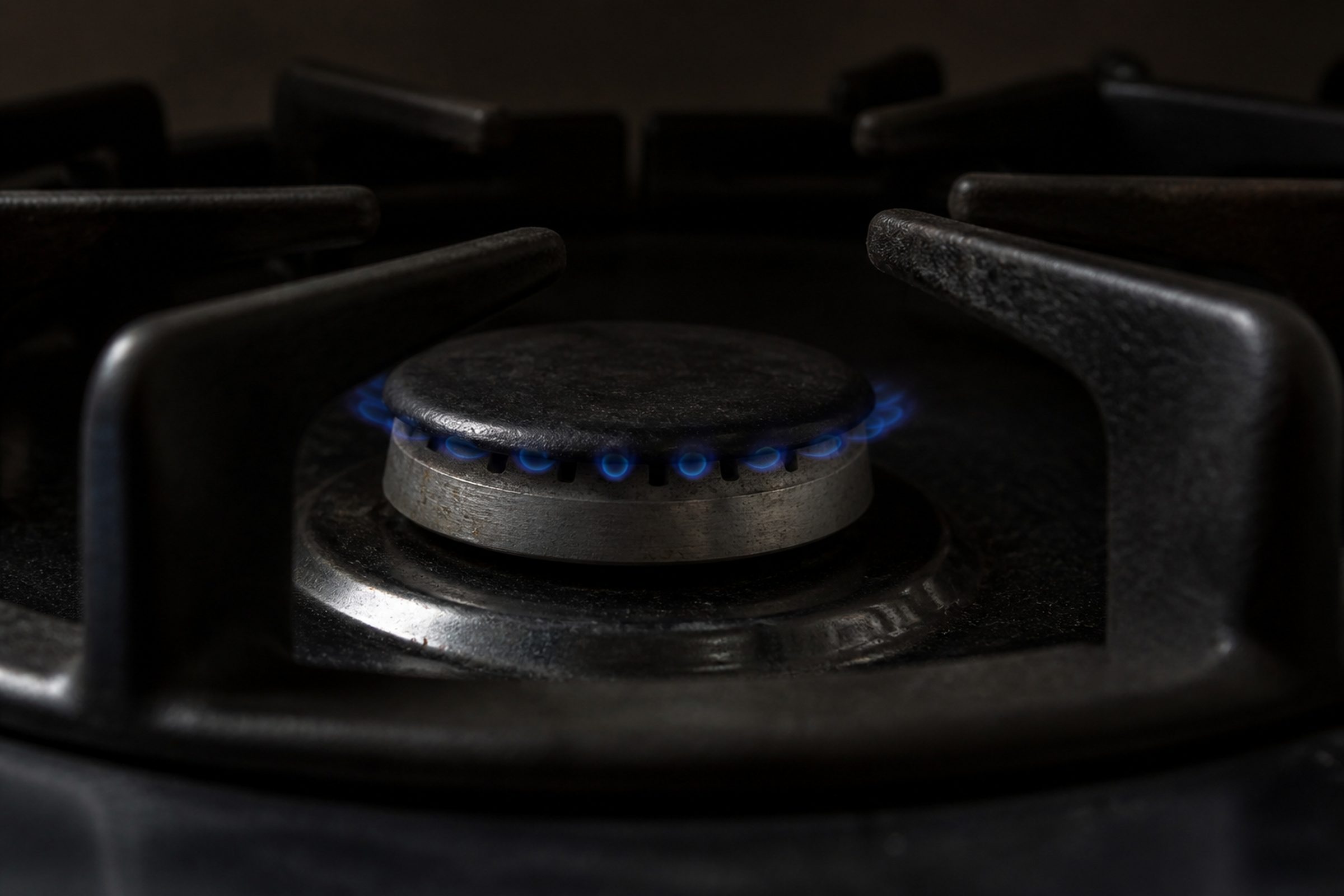
- “Full flame is fine, simmer goes out”
- “It relights and then dies again”
- “It got worse over months”
Symptom
Fisher & Paykel flame goes out on the low setting
The most-linked freestanding cooker article this maker publishes. A burner that is perfect on high and will not stay lit turned down is telling you something specific, and it is not the gas supply.
- From $95 diagnostic, credited to the repair
- 59 cities and neighborhoods covered
- OEM parts available on order
- In writing the price, before anything is opened
Five ordinary causes
What this usually turns out to be
Cheapest and commonest first, which is also the order we check them in. They sit hundreds of dollars apart, and only the unit settles which one is yours.
-
Ports blocked around the simmer side
The commonest cause and the one that explains why high is fine. A small flame needs a small number of clear ports.
Range burner & ignition repair from $155 -
The cap seated wrong
A cap slightly out of position skews the flame and the low setting is where that shows first.
Range burner & ignition repair from $155 -
The flame-sensing thermocouple
It holds the gas valve open only while it senses a flame, and a tired one stops sensing a small one first. This is the classic version.
Range burner & ignition repair from $155 -
A draft
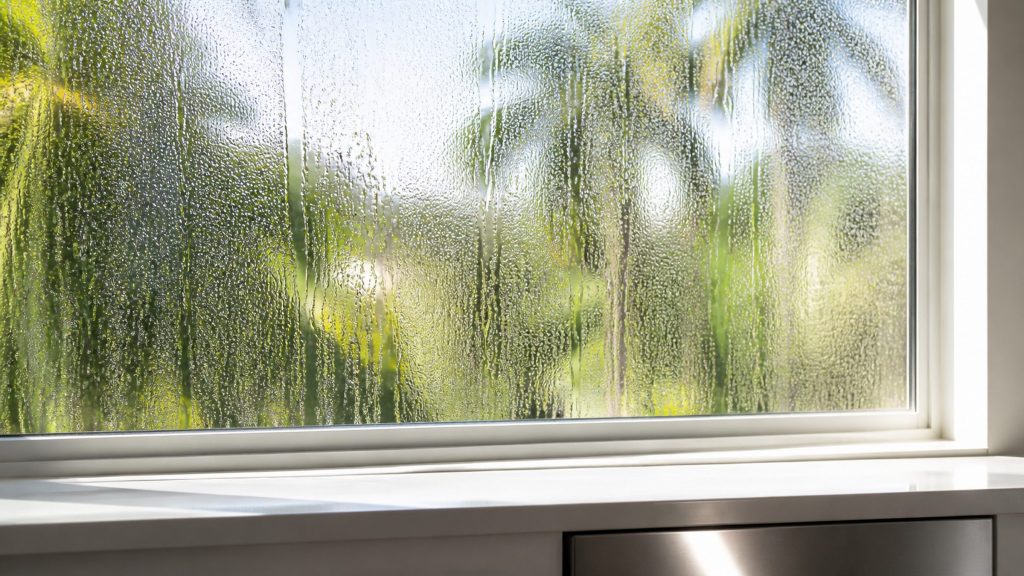
An open slider, a ceiling fan, or a hood on full over a small flame. Free to test and genuinely common in a Florida kitchen.
Range burner & ignition repair from $155 -
The valve or the low-flame adjustment
Set below where the flame is stable, sometimes after a conversion between natural gas and LPG.
Range burner & ignition repair from $155
In five minutes
Before you call anybody
None of it needs tools, and all of it makes the visit shorter.
-
01
Test with the room still
Slider shut, fans off, hood off. If it simmers happily then, you have a draft rather than a repair.
-
02
Cap and ports, cold
Look specifically at the smaller ports. That is where a simmer lives.
-
03
Compare burners
If every burner drops at simmer, look at the supply or a recent gas conversion. If it is one, it is that burner.
-
04
Time it
Does it go out immediately on turning down, or after a minute? Immediate points at the flame, delayed points at sensing.
-
05
Then book the visit
Say which burner, how quickly it dies, and whether the machine has ever been converted between gas types.
How it shows up
What people describe when they call
In more detail
About Fisher & Paykel flame goes out on the low setting
The fastest diagnosis is the code
Take the cap off cold, check it is seated squarely, and look closely at the ports on the low-flame side of the crown — a burner keeps its simmer alive on a small number of ports, and blocking a few of them is enough to lose it while the high flame stays perfect. If the burner is clean, correctly assembled and still will not simmer, the flame-sensing side is the repair.
Why this is the article the maker's own owners link most
Because it is common on any gas cooking appliance and because it feels like a defect. It is usually maintenance: ports, a cap, or a thermocouple that no longer holds a small flame open.
How to tell the two apart
A flame that dies the instant you turn it down is about the flame itself — ports, cap, adjustment. A flame that burns happily for thirty seconds or a minute and then goes out is about sensing: the thermocouple has cooled below the point where it keeps the valve open. That timing is worth noticing before you call.
The Florida version
An open slider, a ceiling fan and a hood running hard over a small flame will put a burner out on a machine with nothing wrong with it. It is worth ruling out with one still-room test before spending anything.
This article is based on:
- Official manufacturer documentation
- Internal repair procedures
- Technician repair history
- Company quality standards
Before you book
Questions about Fisher & Paykel flame goes out on the low setting
Why does it work perfectly on high?
Because a big flame is forgiving and a small one is not. On high, gas is coming out of every port fast enough to sustain itself and to keep a sensor hot. Turned down, the flame relies on a handful of clear ports and on a sensor that is now much cooler. Everything marginal shows up at simmer.
Could it be the gas supply?
Rarely, and there is a free test: if every burner behaves the same way and the machine also struggles on high, look at supply. If high is perfect and only simmer fails, the supply is delivering and the problem is at the burner.
The machine was converted to propane.
Then say so when you book, because it changes the list. A conversion involves the injectors and the low-flame adjustment, and a simmer that has never been stable since the conversion is usually the adjustment rather than a failed part. It is also the version of this that is quickest to put right.
Where we do it
Across Miami-Dade, Broward, and Palm Beach
Same terms everywhere we go: an on-site diagnostic first, the price agreed in writing, and the exact figure confirmed once we have seen the unit.
Neighborhoods people ask for by name