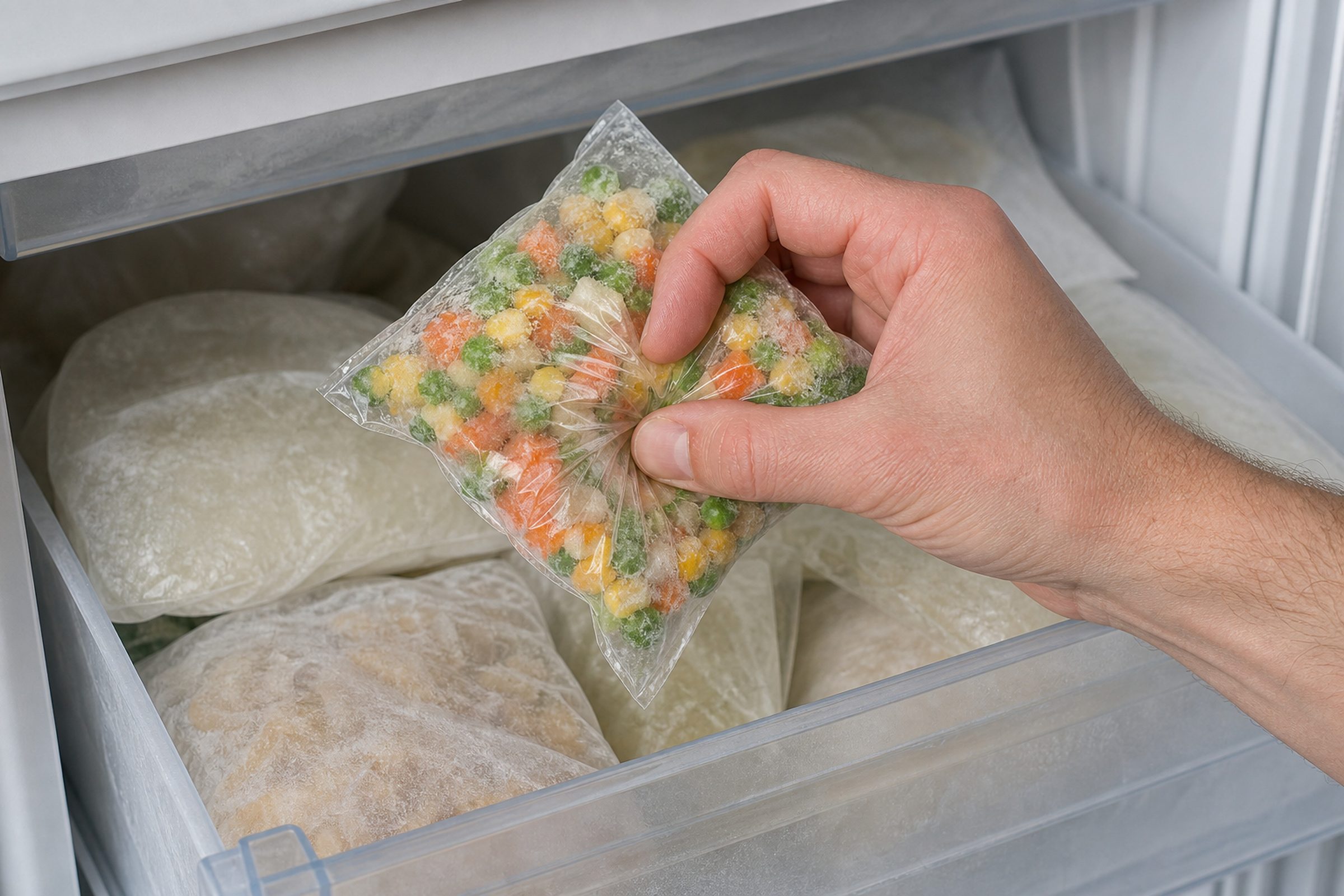
- “Ice cream soft, everything else looks frozen”
- “Frost inside bags that were dry”
- “The freezer has never alarmed”
Symptom
Fisher & Paykel frozen food going soft
Ice cream that will not set, bags that have gone pliable, or a freezer that is holding a few degrees too warm without ever alarming. It rarely fails all at once — it drifts, which is why people notice it in the food before they notice it in the machine.
- From $95 diagnostic, credited to the repair
- 59 cities and neighborhoods covered
- OEM parts available on order
- In writing the price, before anything is opened
Five ordinary causes
What this usually turns out to be
Cheapest and commonest first, which is also the order we check them in. They sit hundreds of dollars apart, and only the unit settles which one is yours.
-
The defrost circuit
Ice slowly closing off the evaporator until air cannot pass. The classic gradual failure, and the reason food softens rather than thaws.
Refrigerator cooling & defrost repair from $185 -
A door or drawer not sealing
A freezer opened twenty times a day in a humid kitchen, with a seal that has taken a set. Warm moist air in, frost everywhere, temperature up.
Refrigerator door, seal & panel repair from $145 -
The evaporator fan
Slowed rather than stopped. The cabinet still gets cold and stops getting cold enough.
Refrigerator cooling & defrost repair from $185 -
A sensor reading wrong
The machine holding perfectly to a number that is not true. Cheap part, accurate diagnosis, and the display will look completely normal.
Refrigerator control & sensor repair from $195 -
The condenser
A machine that cannot shed heat cannot reach the bottom of its range in August, even though it managed in February.
Appliance maintenance visit from $135
In five minutes
Before you call anybody
None of it needs tools, and all of it makes the visit shorter.
-
01
Thermometer, between packages
Not against a wall and not in the door. A few hours for a real reading.
-
02
Find where the frost is
Back wall means defrost. Around the door or the drawers means a seal. It is the most useful observation on this page.
-
03
Check the door with a sheet of paper
Closed on paper at several points around the frame. If it slides out easily anywhere, that is your gap.
-
04
Notice the season
A machine that was fine in winter and struggles in August is telling you about heat rejection rather than about cold production.
-
05
Then book the visit
Give us the measured temperature and where the frost is. Those two decide most of the diagnosis before we arrive.
How it shows up
What people describe when they call

A shortcut
Narrow it down before anybody arrives
A description of the behaviour leaves a few possible causes. A code names the subsystem before anybody opens anything, which is why it is worth photographing before it clears.
If the display is showing something
- F22 Temperature or sensor errors
- F3 Temperature or sensor errors
- F22 Temperature sensor errors
- F3 Temperature sensor errors
Photograph it before it clears — codes do not wait. Search the full code list
In more detail
About Fisher & Paykel frozen food going soft
The fastest diagnosis is the code
Put a thermometer in the freezer, between packages rather than against a wall, and read it after a few hours. Then look at where any frost is forming: on the back wall it is the defrost side, around the drawers or the door it is a seal. Those two answers between them cover most of this, and both cost nothing to establish.
Freezers fail slowly
A freezer almost never stops. It drifts — a defrost cycle that clears a little less each time, a seal that takes a set, a fan that slows — and the food notices before the owner does. That is why ice cream is the first symptom and a defrosted freezer is the last one.
Where the frost is
Back wall: the defrost side — heater, sensor or the control that runs the cycle. Around drawers and the door: a seal letting humid room air in. Around the ice maker: usually the fill valve overfilling. Three different repairs, and the location tells you which before anyone opens anything.
Every freezer here is an integrated column
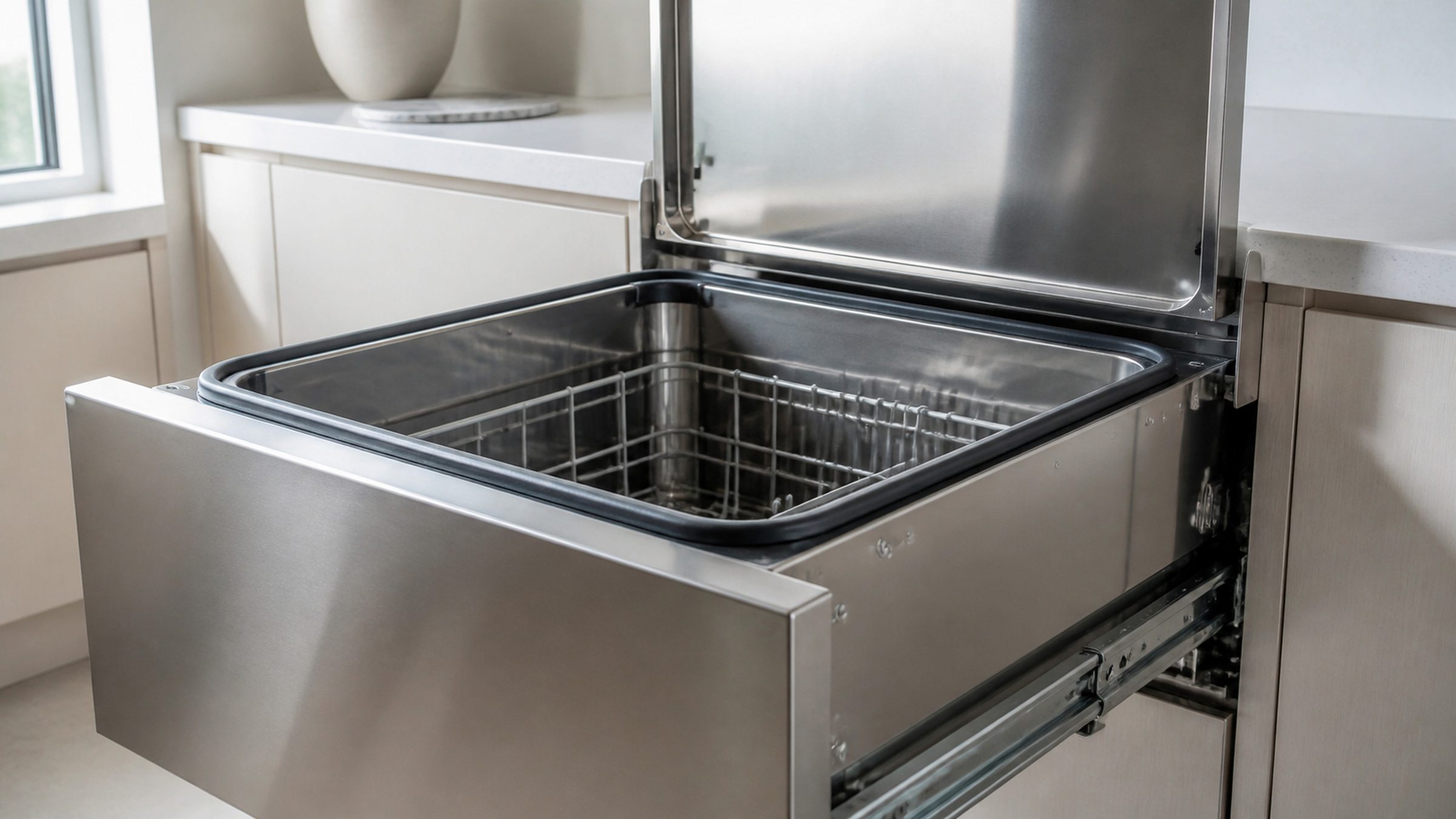
This maker lists eight freezers for the United States and all eight are built-in columns behind a cabinet panel. Nothing about the diagnosis changes; the access does, and it is planned at the diagnostic rather than discovered on the day.
This article is based on:
- Official manufacturer documentation
- Internal repair procedures
- Technician repair history
- Company quality standards
Before you book
Questions about Fisher & Paykel frozen food going soft
Is soft ice cream really a symptom?
It is the earliest one you will get. Ice cream softens several degrees before anything else in the freezer changes visibly, which makes it a genuinely useful early warning rather than a nuisance. A freezer that will not keep ice cream hard is usually a few degrees warm, and a few degrees is fixable long before it becomes a defrosted freezer.
There is frost on everything now.
Frost means moisture is getting in — through a door that does not seal, or from air that is not being cleared by the defrost cycle. Where the frost forms tells you which. On the back wall it is defrost; around the drawers and the door it is a seal.
One zone of my triple-zone freezer is warm.
That narrows it usefully. Each zone has its own sensor and its own airflow, so a single warm zone is that zone's fan, damper or sensor rather than the machine as a whole. Say which zone when you book.
Where we do it
Across Miami-Dade, Broward, and Palm Beach
Same terms everywhere we go: an on-site diagnostic first, the price agreed in writing, and the exact figure confirmed once we have seen the unit.
Neighborhoods people ask for by name